Art Alfresco: How To Get Maximum Impact From An Outdoor Sculpture
There’s much to think about when you’re investing in a sculpture that will be sited outdoors, irrespective of whether it’s going into a public space or a private garden. Because the effect will be transformative. It will add drama, create harmony, lift hearts, bring joy, and become a lifelong companion. Whether you’re a town planner or a homeowner, you have the responsibility of knowing that you’re making memories that will endure long after you’re gone.
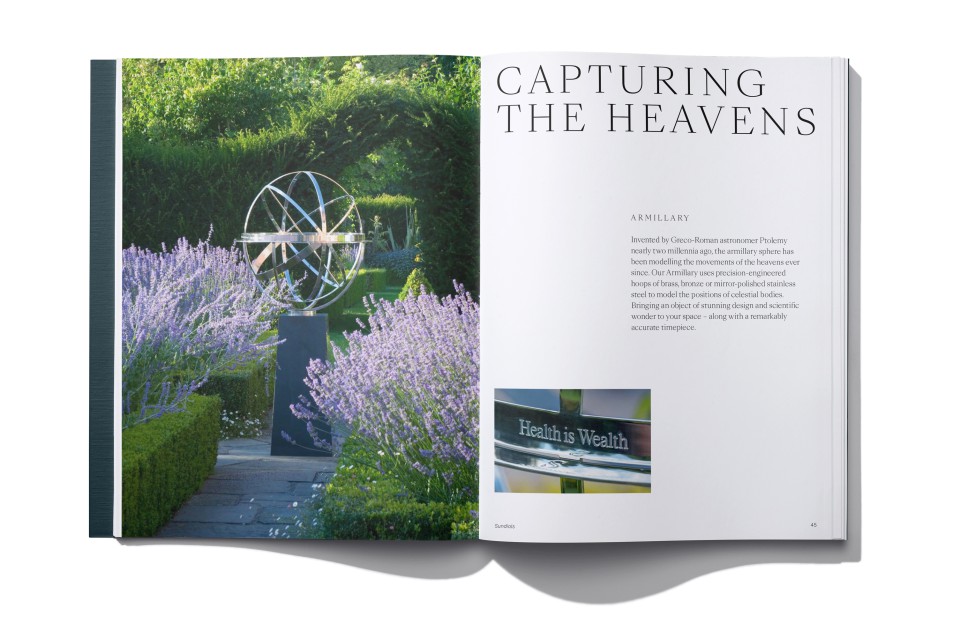
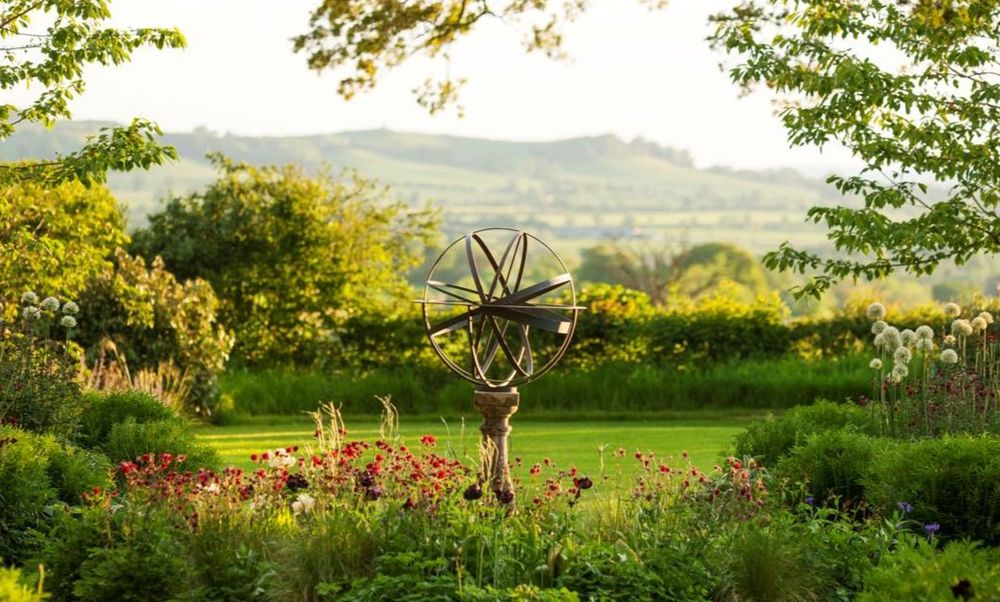
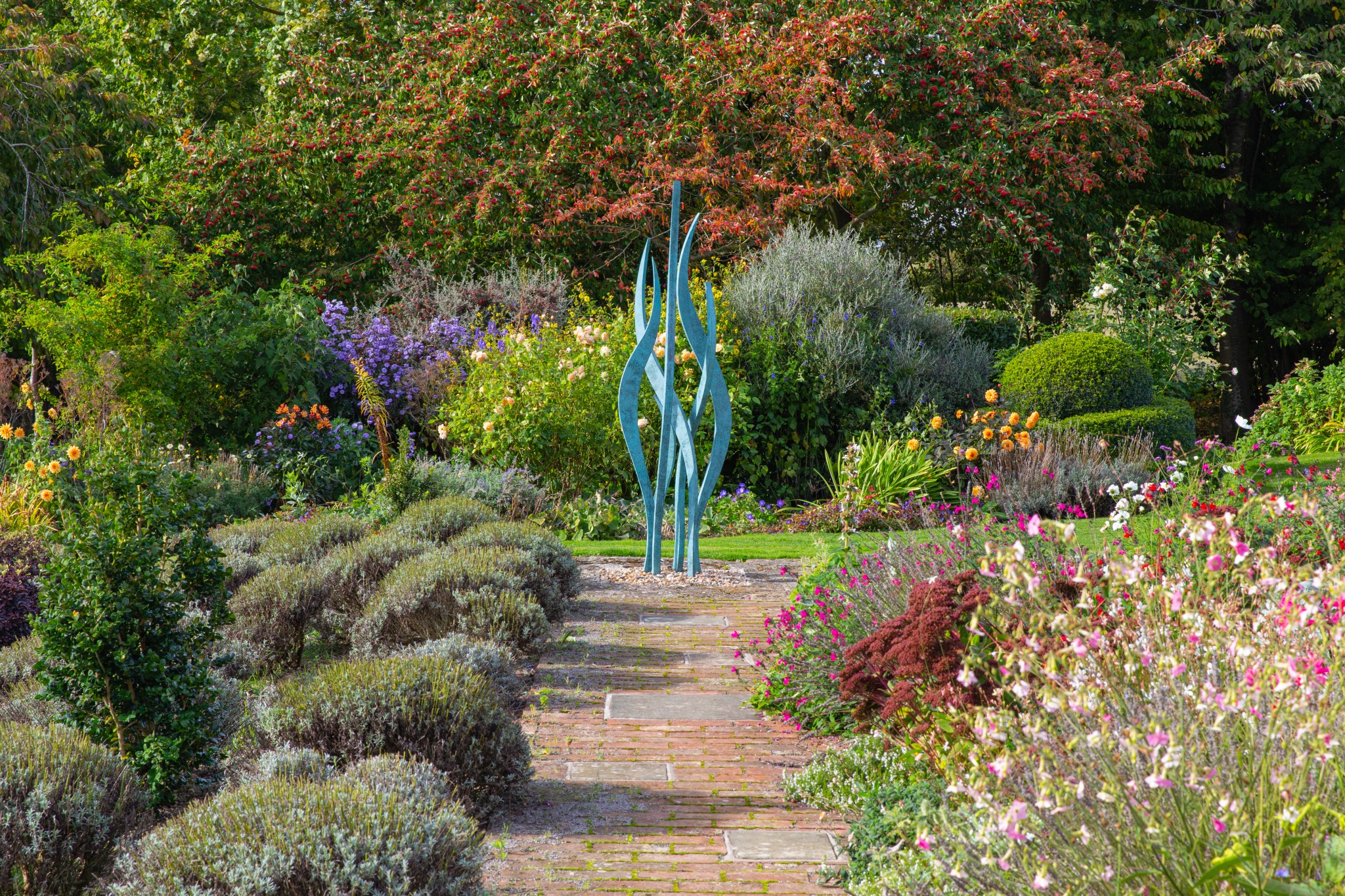
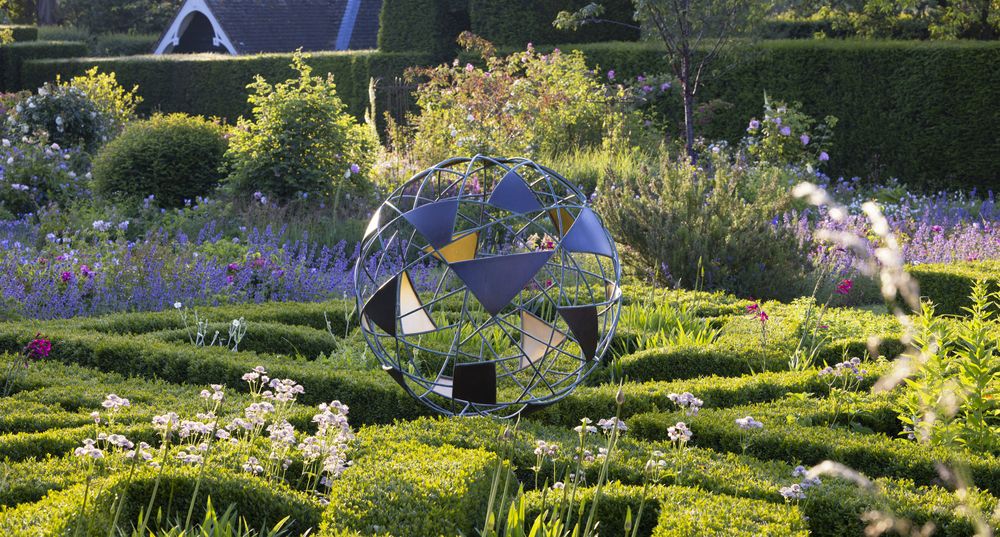
Should it be large enough to command attention or small enough to tuck into an intimate corner? What material will best suit the space? Should it be functional as well as beautiful, such as an armillary sphere? Or something flowing and organic that echoes the movement of wind or water? Most of all, no matter whether it sets out to challenge the viewer intellectually or promote restful tranquillity, the question that really matters is: do you love it?
The best exterior sculptures interact with the environment in which they are positioned. As the light shifts and the seasons pass, they offer changing perspectives, enriching our experience and enjoyment. It follows that how and where to position them is a crucial aspect of getting the best from an elegant piece.
Outdoor art changes the zeitgeist
Cities quickly become recognisable by their art. In recent decades, there has been a shift in the intention behind outdoor sculptures. We see examples everywhere of art that dates back to when open-air public statuary was largely commemorative – huge statues of generals and politicians, or sculptures depicting ancient battles. Interactivity was the last thing on an artist’s mind when commissioned to produce such massive, static pieces. Today, the creative intention has changed: artists set out to spark conversations, forge connections, create time for reflection and above all to inspire joy.
Outdoor art reingivorates a cityscape
Public art in urban environments undoubtedly brings cultural benefits. But once it attains the kind of superstar status that magnetically draws people in their thousands, it confers a sense of humanity on otherwise grey concrete. This, in turn, very often leads to economic reinvigoration.
Think of how a beautiful outdoor installation softens a hard-edged city square – equally, the hard landscaping of a domestic courtyard. A space that feels soulless is instantly transformed into a colourful, immersive place for people to meet and socialise. Chicago’s Cloud Gate (aka ‘The Bean’) is a brilliant example of an iconic work of art that has breathed life into a once dull and neglected plaza. Designed by Anish Kapoor, the sensuous fluidity of its elliptical mirrored surface brings to mind liquid mercury – passersby see their reflections against a cityscape that’s intriguingly distorted. This has turned Cloud Gate into one of the most immersive, Instagrammable public installations of the 21st century and a leading example of contemporary art.
Interestingly, one useful by-product of organising art – both for public and private spaces – is that it frequently gives artists a voice in the planning process. Bringing their own creative skill to conversations about where and how to site a commissioned piece sometimes prompts architects, landscape gardeners and city planners to see the context differently. The happy outcome of this creative intervention is often bolder, more imaginative decisions.
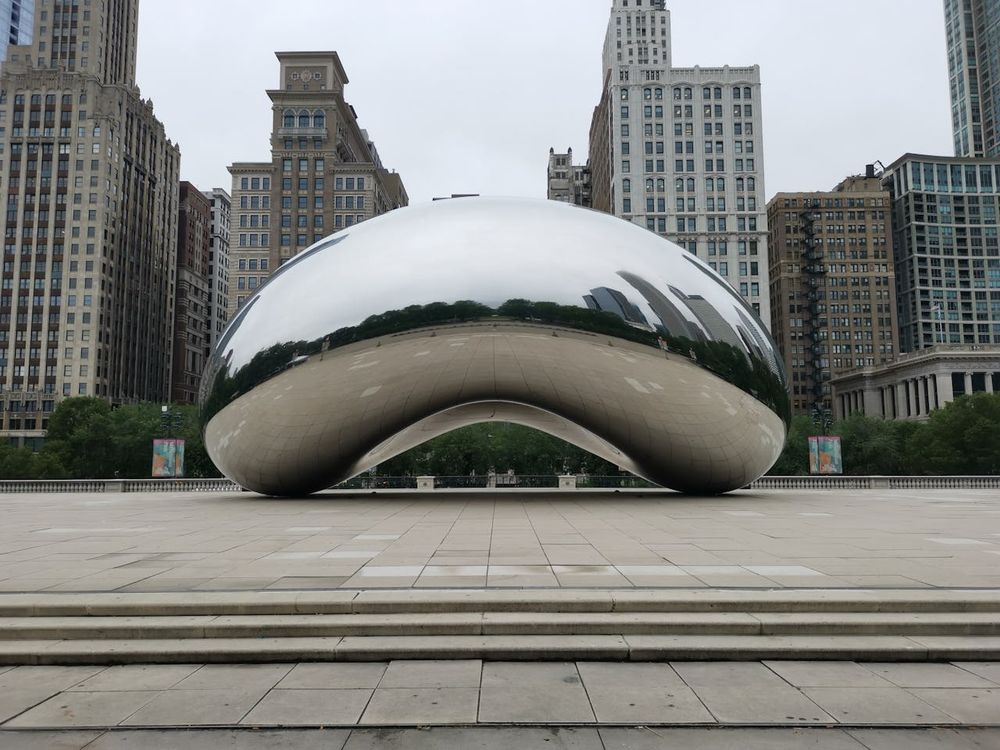
The Cloud Gate in Chicago
Brings joy to all
Liberating an art installation from the confines of a gallery or museum and displaying it in an outdoor setting somehow makes the experience of viewing it feel more democratic. Suddenly it’s available to everyone to stop and enjoy. And when it’s a commission for a specific public setting it tends to echo the spirit and flavour of its surroundings. For instance, a contemporary sculpture might dial up the local community’s unique identity and sense of place, therefore increasing the resident’s well-being. In a private residence, it will tell a story that’s personal to the homeowner – and it would certainly say something about their tastes and sensibilities.
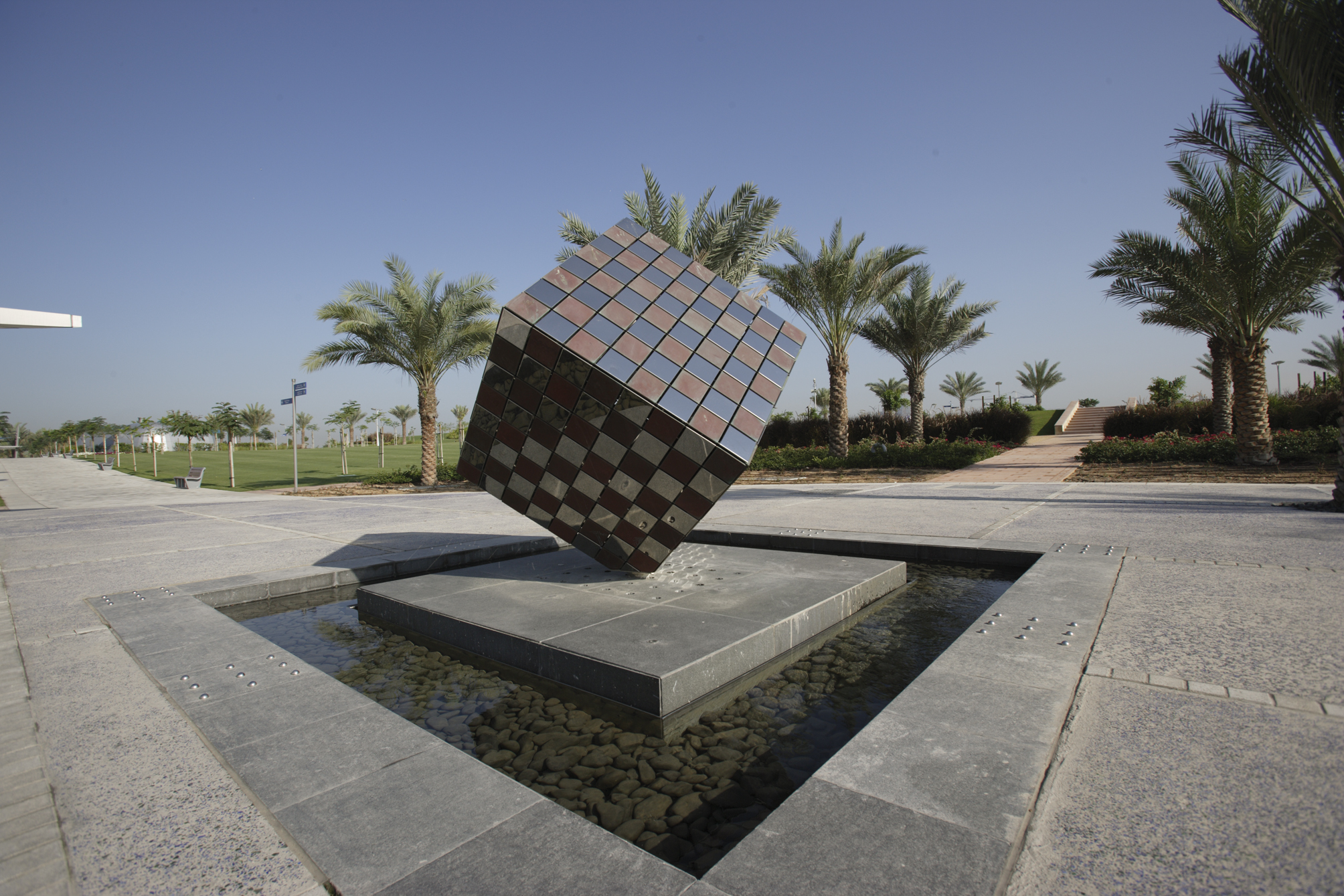
The Cube Contemporary Sculpture at Zabeel Park in Dubai
Landscape sculpture connects us with nature
Public art isn’t only to be found in towns and cities. Sometimes a sculpture is destined to be sited in the natural environment, where it very quickly becomes one with its surroundings.
This can take the form of ‘land art’, as exemplified by the transient pieces made famous by British artist Andy Goldsworthy. His intricate sculptures are created from twigs, leaves, pebbles, icicles and other objects found in nature, and they often last less than a day.
Or it can be the opposite, for instance Antony Gormley’s monumental Angel of the North, made from Corten steel and sited on a hill above a former colliery near Gateshead. This 20-metre-tall, greatly loved reminder of the region’s heritage is seen by 33 million commuters and tourists every year. Another awe-inspiring illustration of land art is Tippet Rise, whose monumental sculptures sprawl across 12,500 acres under Montana’s big skies, seeming to have grown from the earth beneath them.
Even large-scale temporary installations such as the ephemera for which Christo is renowned can turn quiet pockets of the world into star-studded attractions. One such was The Floating Piers in 2016, his saffron-yellow walkway in Lake Iseo, near Brescia, Italy, designed to connect three small islands. Over its 16-day run, 1.2 million visitors flocked to experience ‘walking on water’, giving the local economy a greatly appreciated boost.
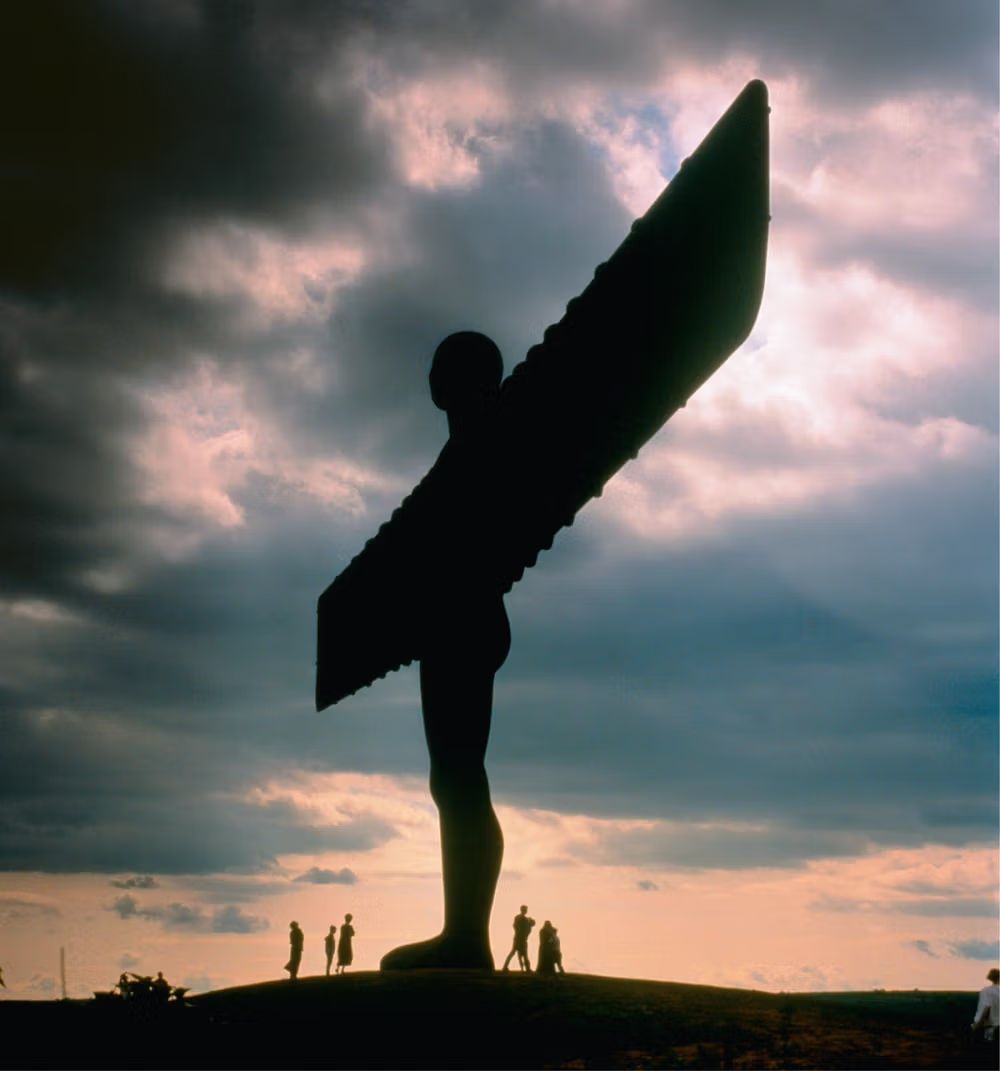
Angel of the North by Andy Goldsworthy
Which materials to choose?
This is a key question, because the materials that have been used to create an outdoor sculpture will play an important part in the character and durability of your choice.
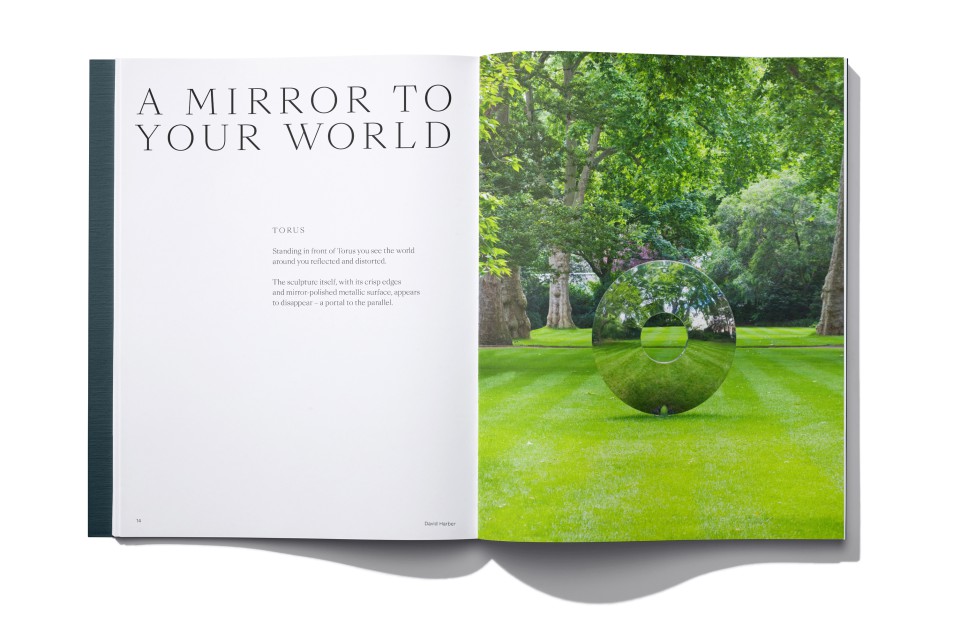
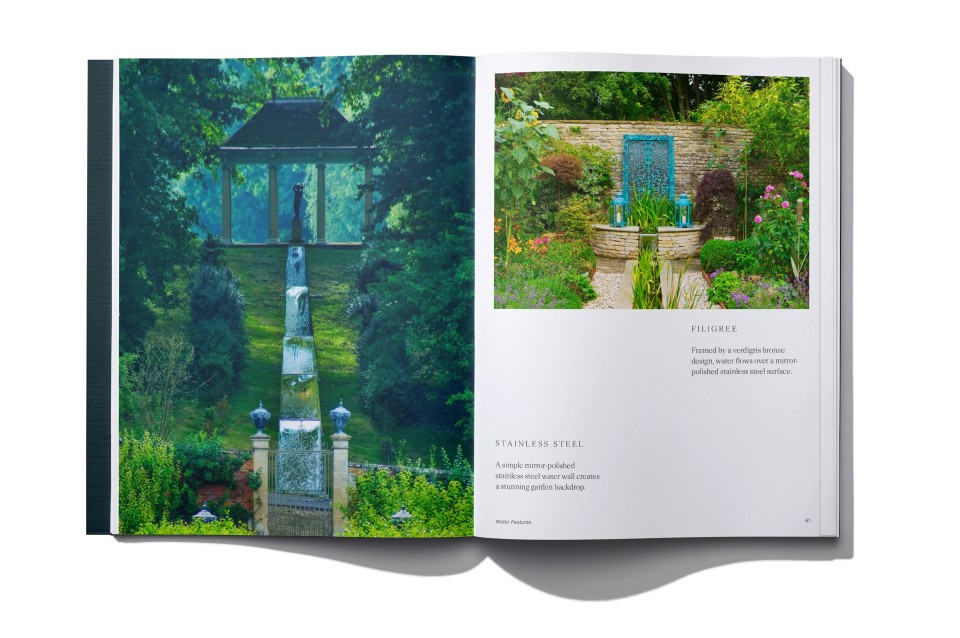
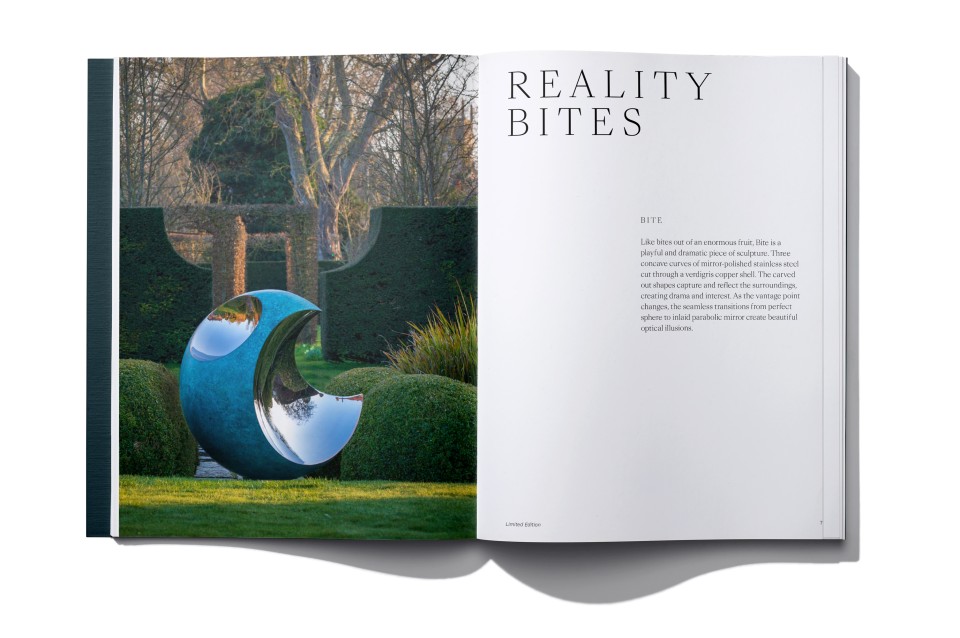
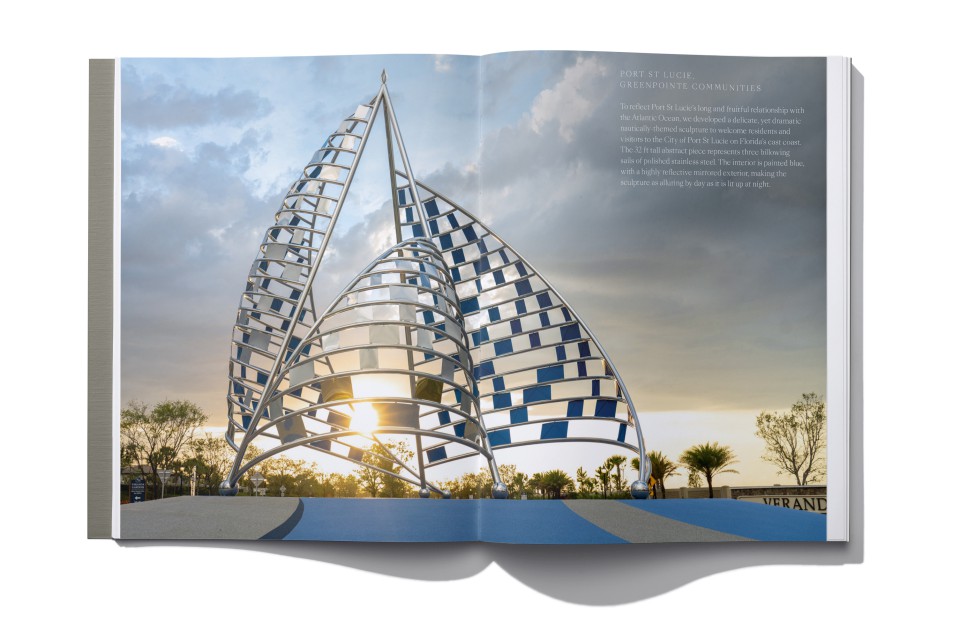
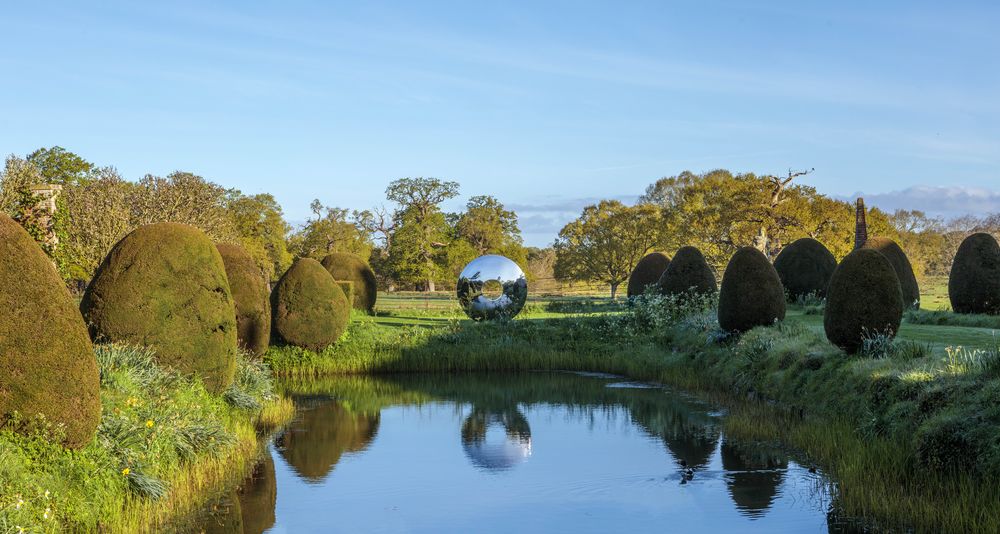
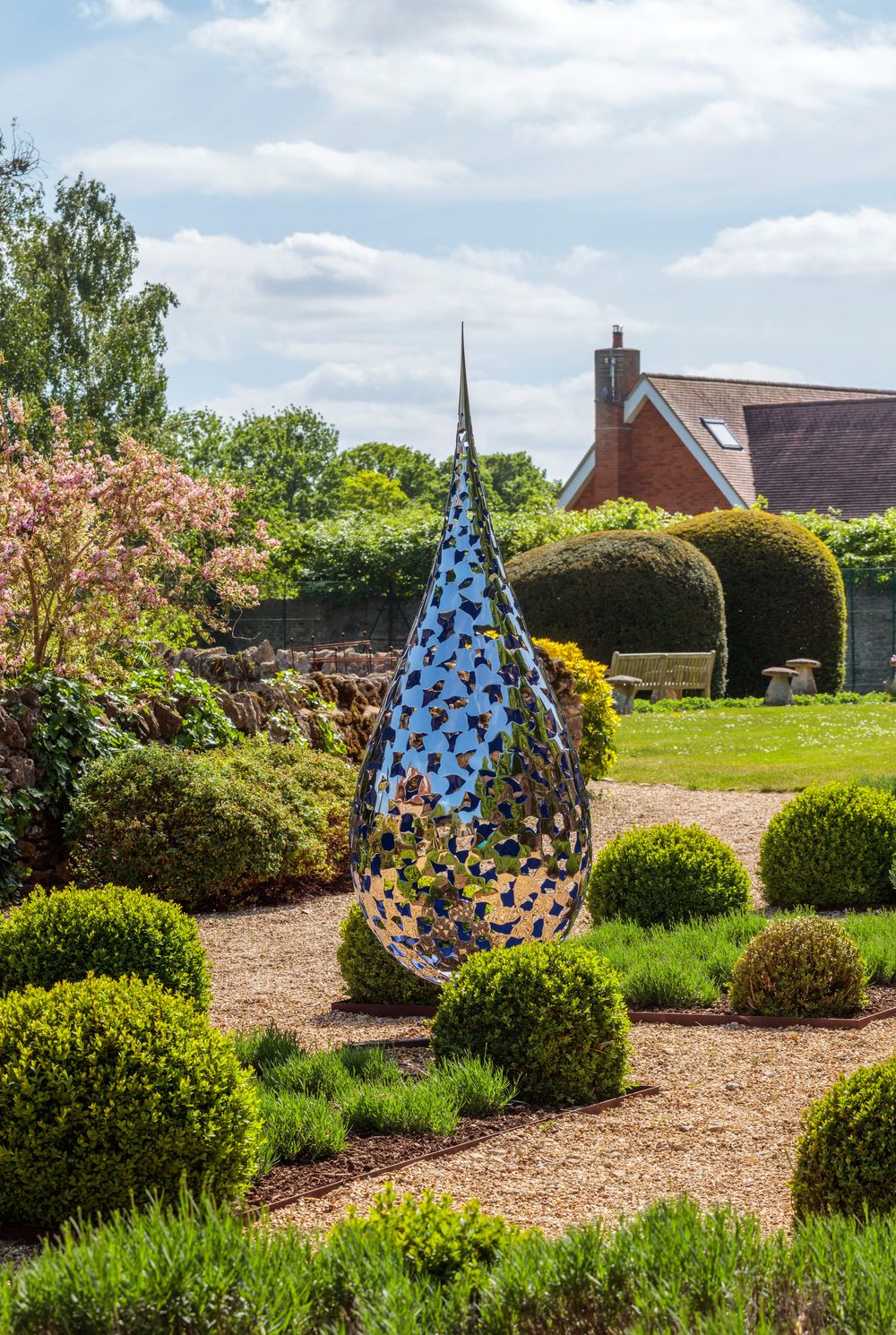
Stainless steel comes top of the leaderboard of materials suitable for outdoor art. It offers maximum resilience against the elements, perfectly able to cope with UV, rain and temperatures both freezing and scorching. The sleek, mirror-polished surface lends itself to a modern art aesthetic. Indeed, there’s a playfulness in the way stainless steel reflects its surroundings. Dappled sunlight and rippling water, foraging fauna and swaying flora, as well as people going about their day – all are captured and reflected back, sometimes in amusingly distorted versions of reality.
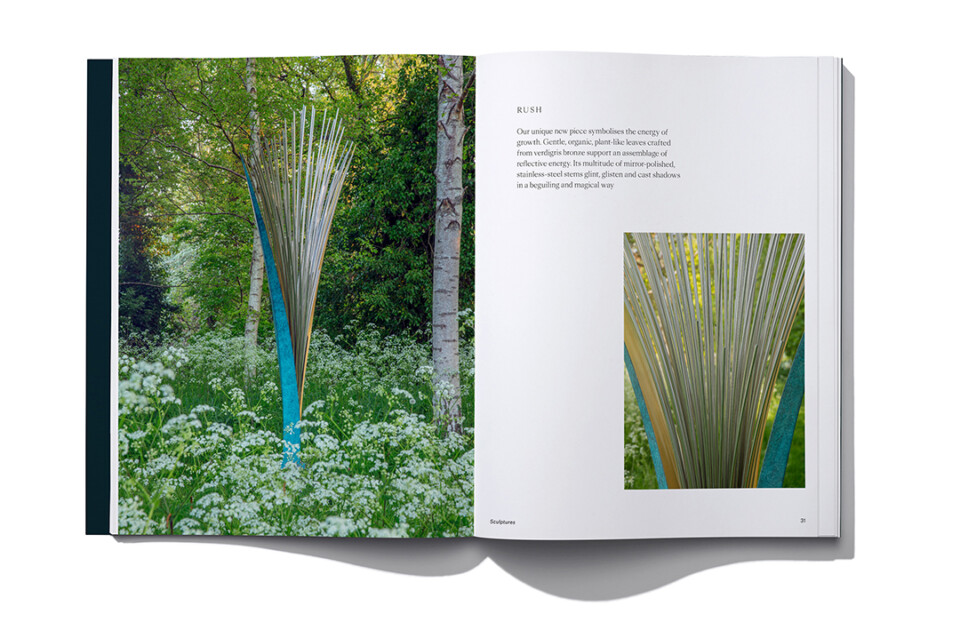
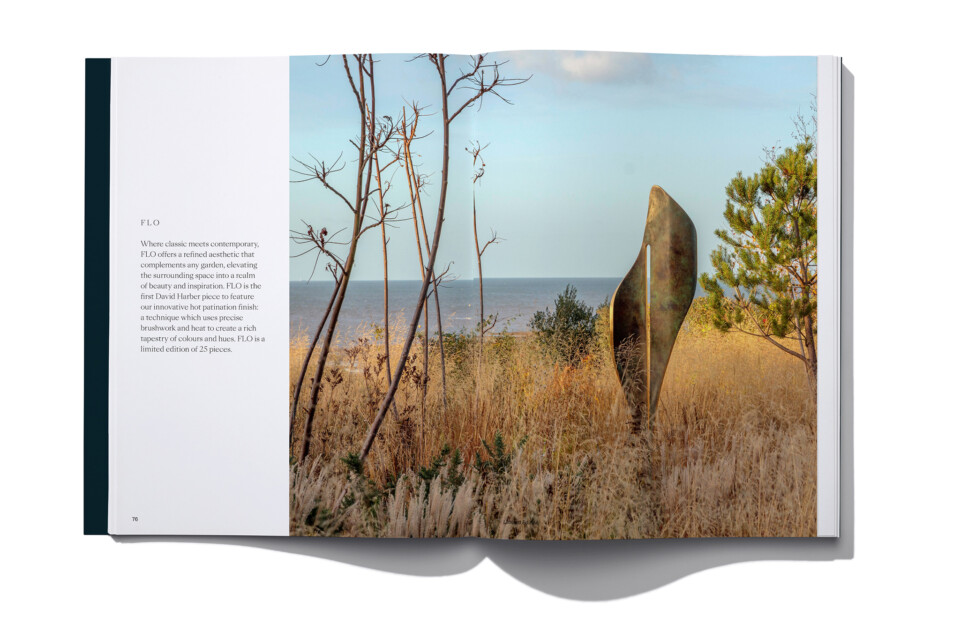
Bronze, brass and copper have been used for thousands of years. Left to their own devices, they will slowly develop a verdigris patina that gives the material a wonderfully weathered, timeless feel. A good example of how copper changes over time is the Statue of Liberty in New York City: it took around 30 years for its copper to oxidise and develop the iconic green coating that now protects it. Of course, no one needs to wait for decades these days – this aged effect can be speedily achieved in a workshop using a chemical treatment.

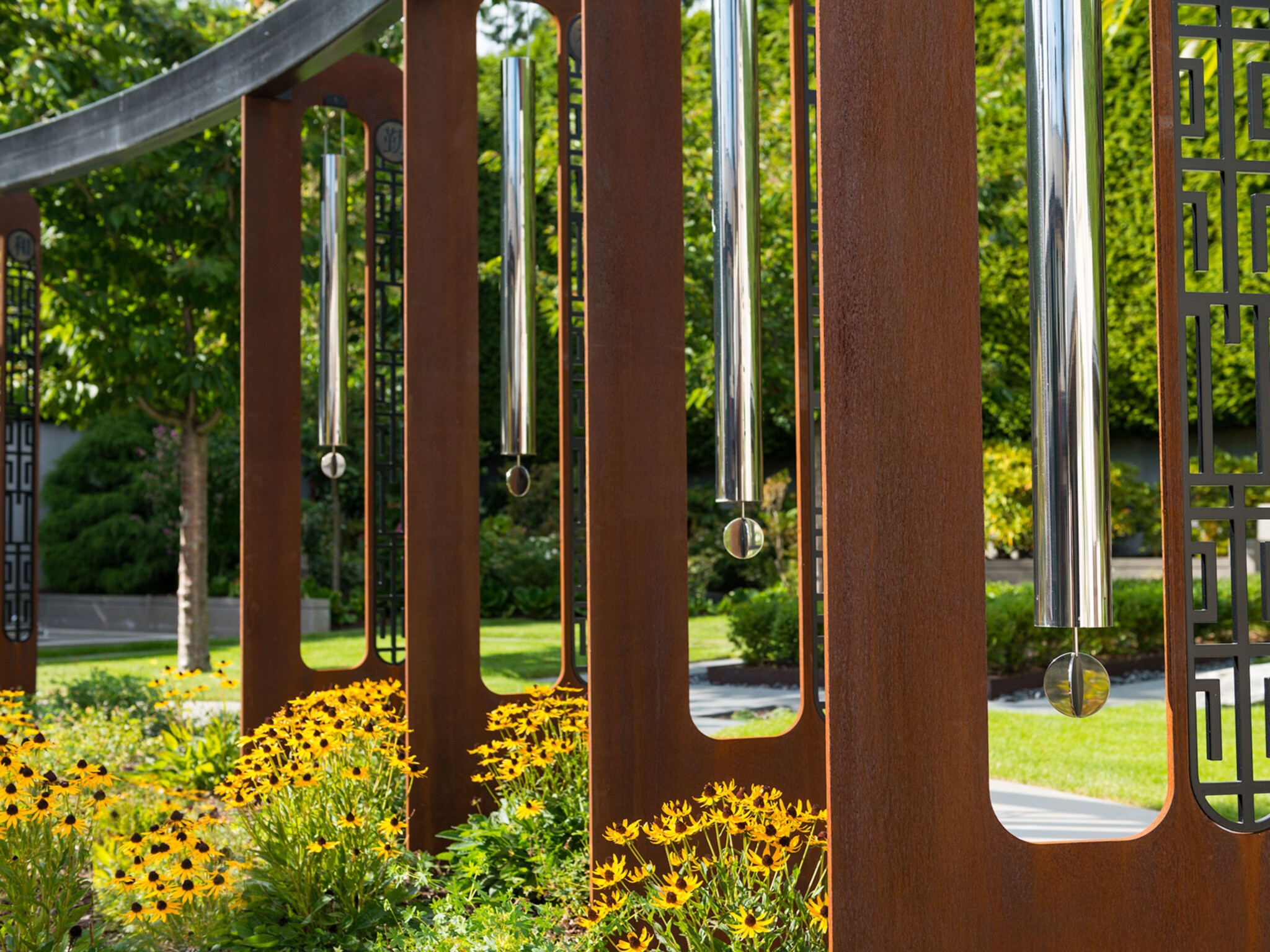
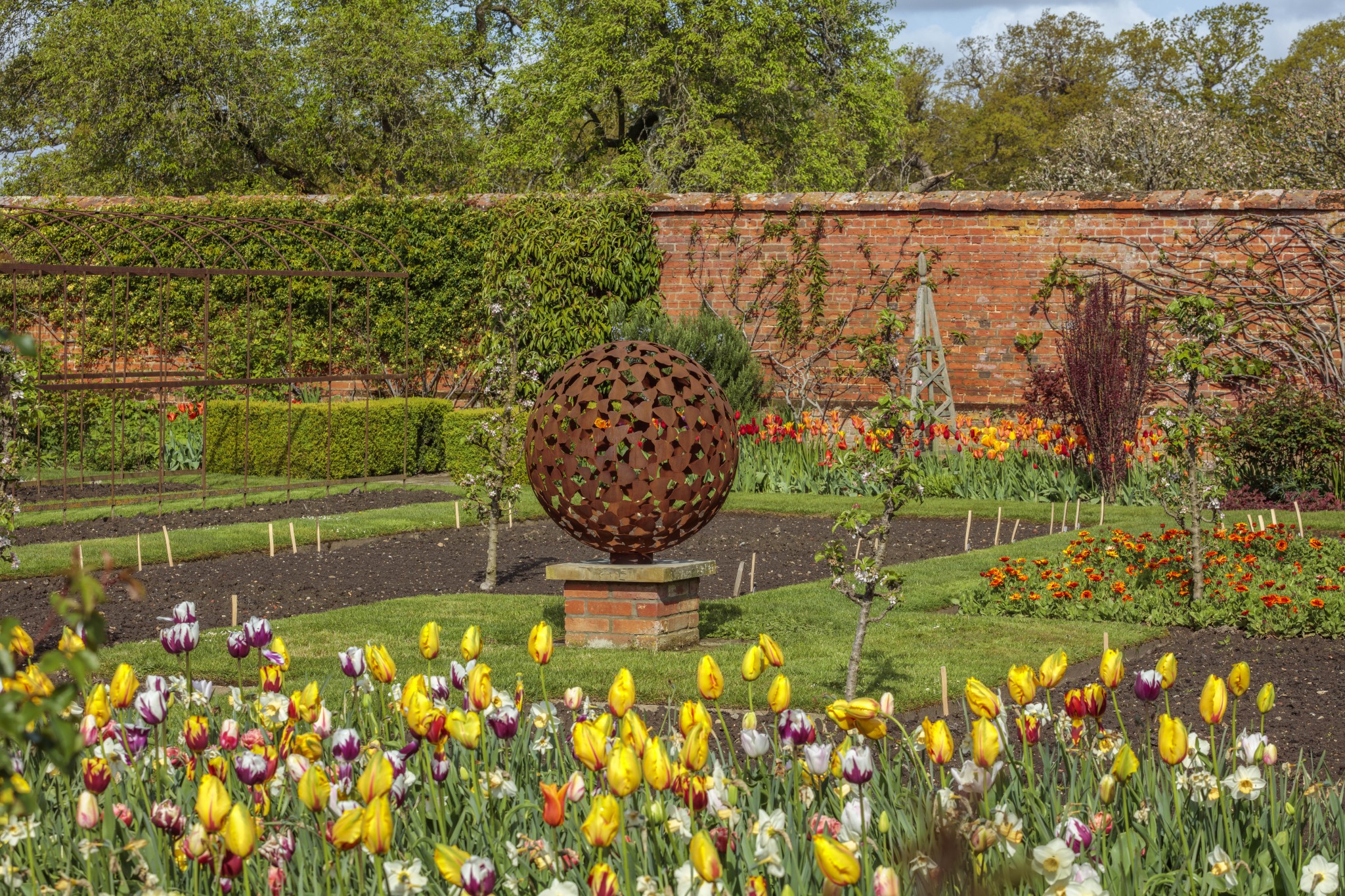
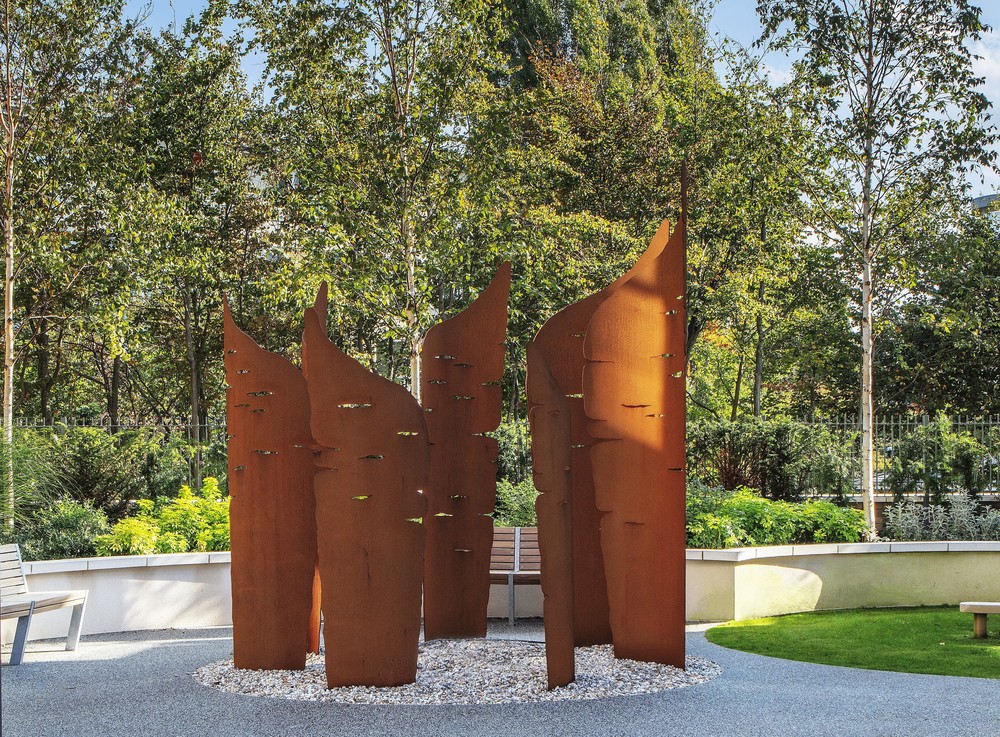
Corten steel may look like it has been weathered by the passage of time, but in fact it’s designed to develop a rusty texture that stays on the surface, leaving the underneath structure uncompromised. The result is a rich orange-brown finish that requires little or no maintenance and looks as though it has already withstood centuries of exposure to the elements.
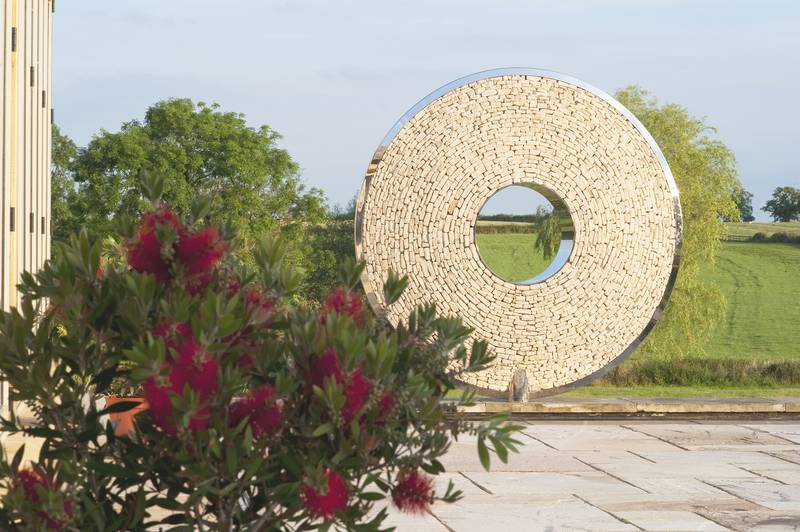
Stone has been used as a sculpting medium for millennia. As an organic, naturally occurring material, it works perfectly in natural settings, where it exudes the sense of permanence that comes with history. The deep charcoal hues and fractured texture of Welsh slate, for example, recall a combination of nature’s raw power and Wales’ harsh industrial past. By contrast, the pale tones and fine grain of Carrara marble lend it a subtle translucency that makes it ideal for expressing delicacy and serenity.
Now all that remains is to solicit some expert advice. If you’re still considering what style of outdoor artwork would suit, or you’re interested in creating a bespoke design, our team would be delighted to arrange a consultation with you. Email enquiries@davidharber.com to begin your creative journey with us. Alternatively, you can find out more about our Bespoke Service here.
Get in touch
Whether you’ve decided on a piece or you just want to sound out an aspect of our work, please get in touch with our team to discuss your needs.