Architectural Garden Design: A Framework for Beautiful, Functional Outdoor Spaces
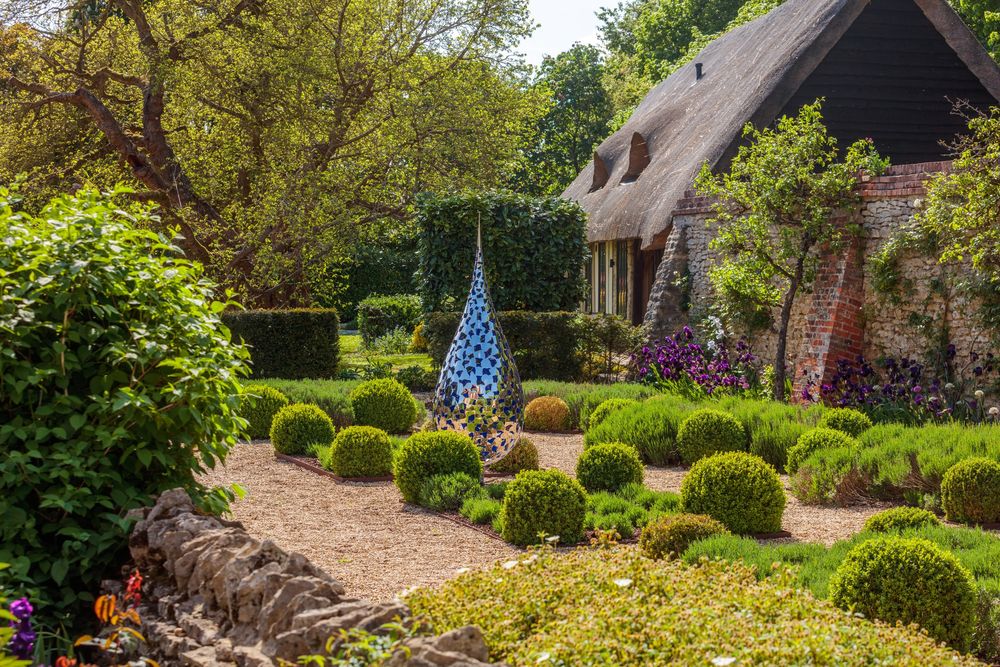
Architectural garden design is the practice of treating a garden as an extension of the home. An approach which treats an outdoor space with the same discipline, structure, and intentionality that an architect brings to a building.
Rather than starting with plant choices, it starts with a framework: sightlines, proportions, materials, and the relationship between hard and soft elements. Planting comes after, filling in and softening a structure that’s already been considered.
Unlike landscape design, which is usually applied to public spaces, architectural garden design is mostly used within the domestic realm.
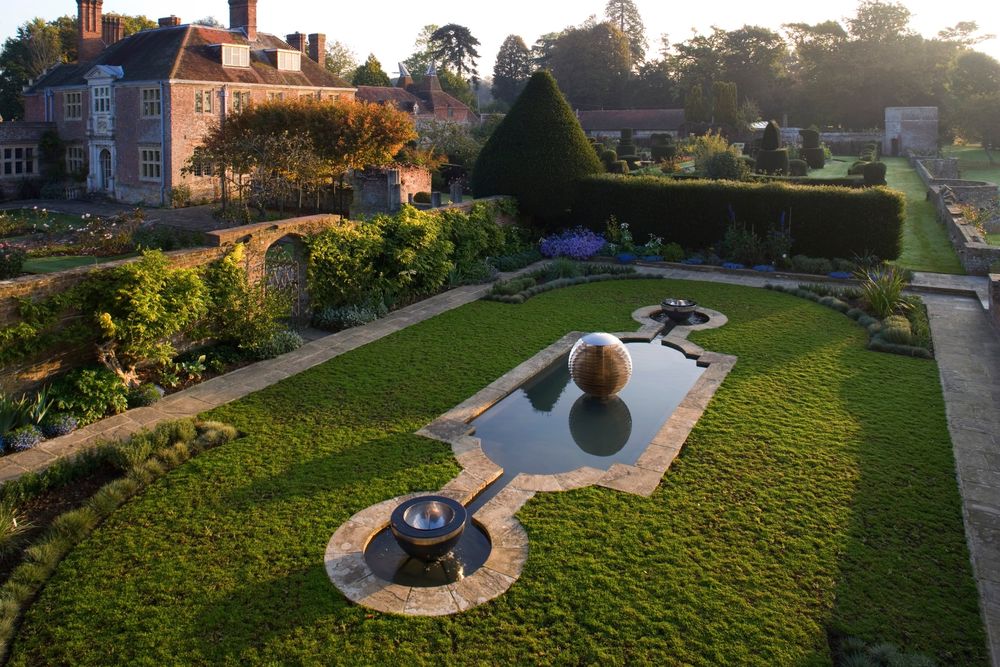
The benefit of this approach is simple. Establishing a framework first means the space works on two levels at once — it’s functional as well as beautiful. A garden designed this way doesn’t rely on seasonal colour or a lucky combination of plants to hold it together; it has “good bones” that carry it through every season, in every light, whether the borders are in full bloom or cut back for winter.
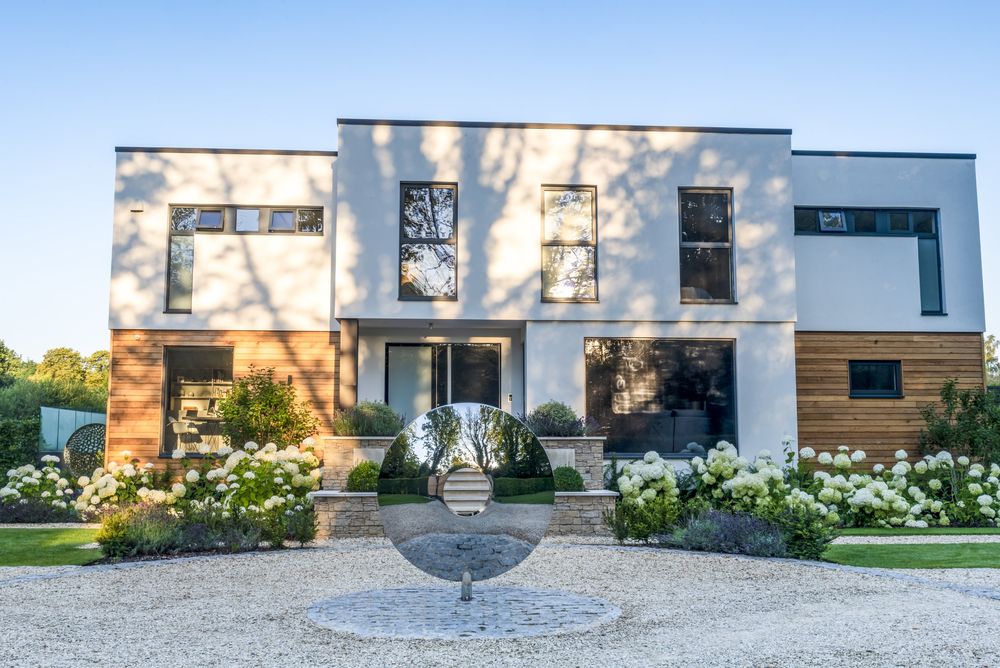
Good architectural garden design either fits with the style of the building it surrounds or acts as a unifying transition, translating the language of the architecture into the landscape so the two feel like one continuous space rather than two unrelated environments separated by a back door.
Here we cover some basic architectural garden features and principles to help you apply this approach to your own garden design.
What are the key principles of architectural garden design?
Considered hard landscaping
Paving, walls, steps, and structures are treated as design decisions, not afterthoughts squeezed in around the planting.
Unity and harmony
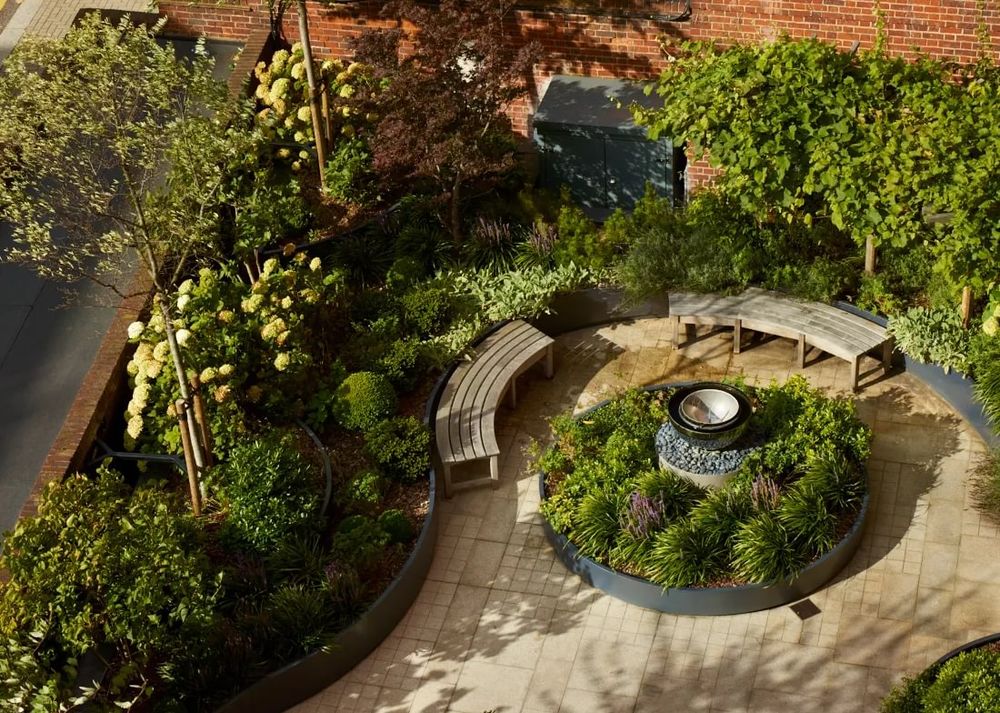
Every element, from material palette to plant selection, is chosen to relate back to the house and to each other, creating one coherent space rather than a collection of separate features.
Form and structure
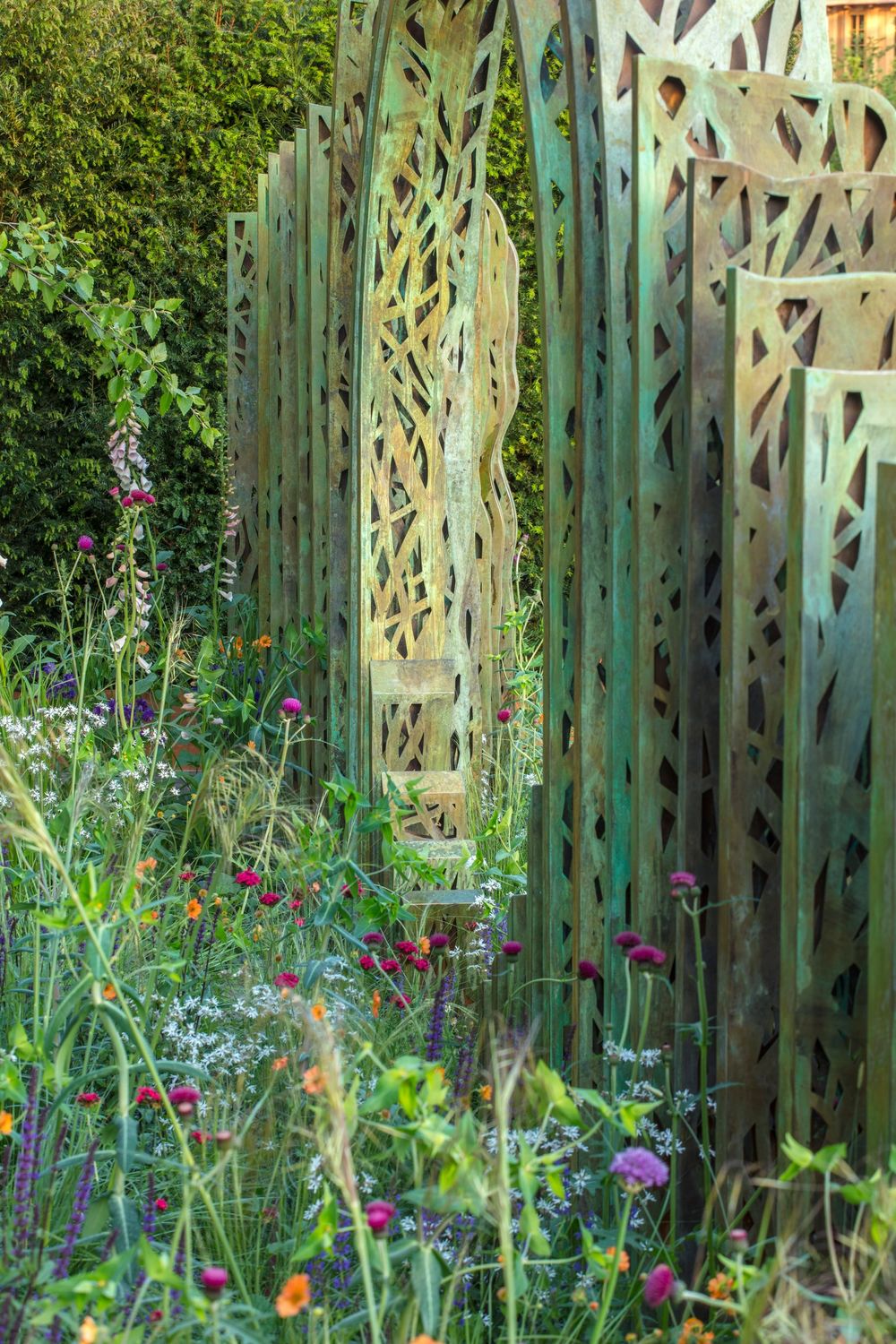
The garden has a permanent underlying shape — provided by hardscaping, key plants, and layout — that holds true regardless of season.
Clean lines and symmetry
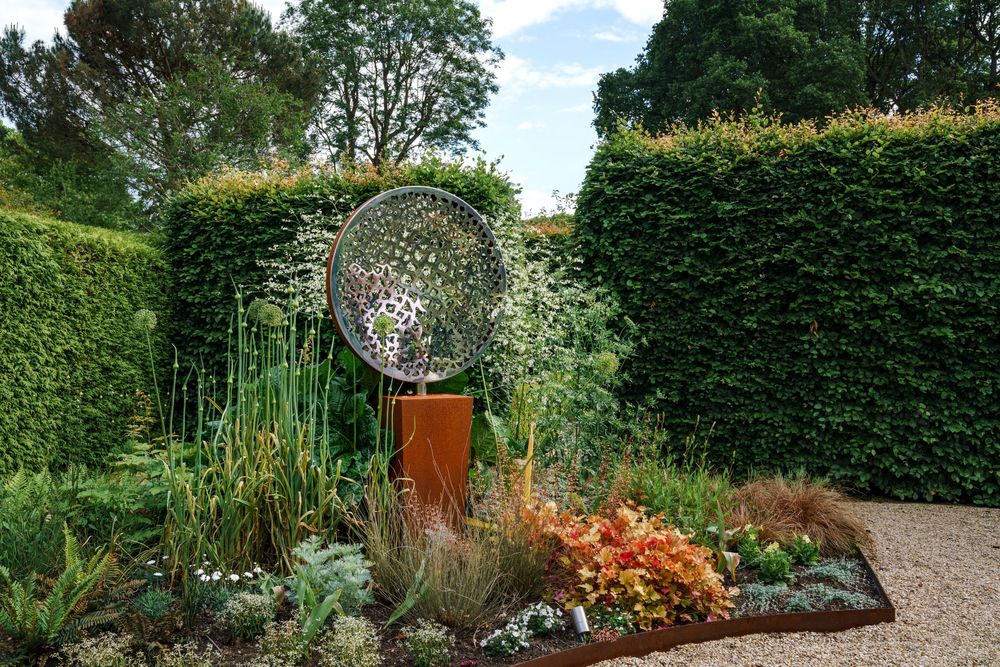
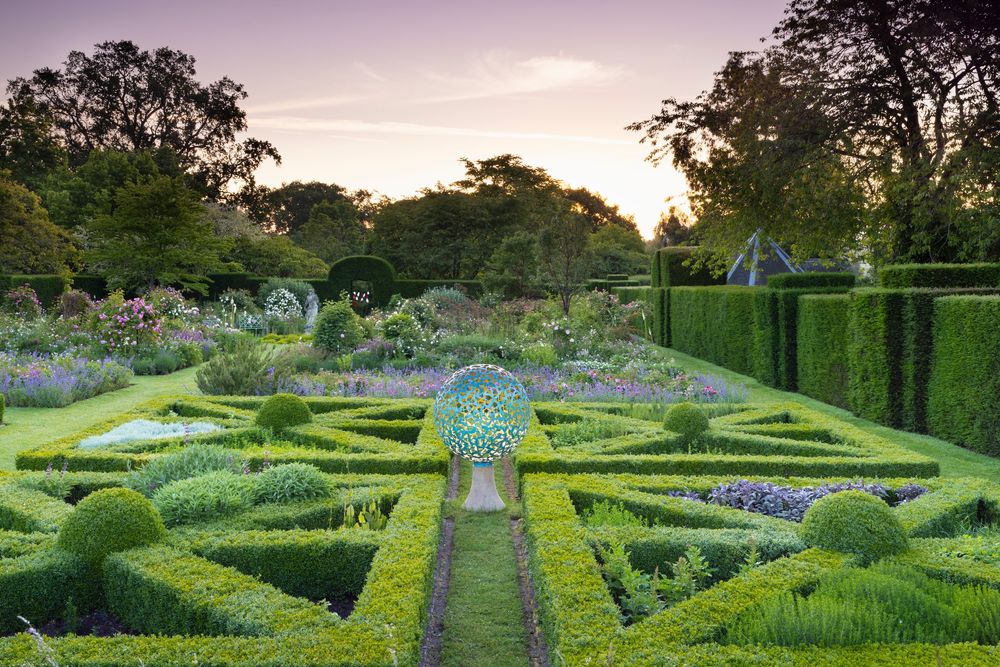
Deliberate geometry, repetition, and restraint bring a sense of calm and order, even in a garden that’s densely planted.
How Do I Incorporate Architectural Elements into My Garden Design?
Think carefully about hardscaping
Hardscaping is the paving, walls, structures, and materials that give a garden its framework. It’s the skeleton everything else hangs on, so it deserves as much thought as the planting plan. Hardscape materials and elements include:
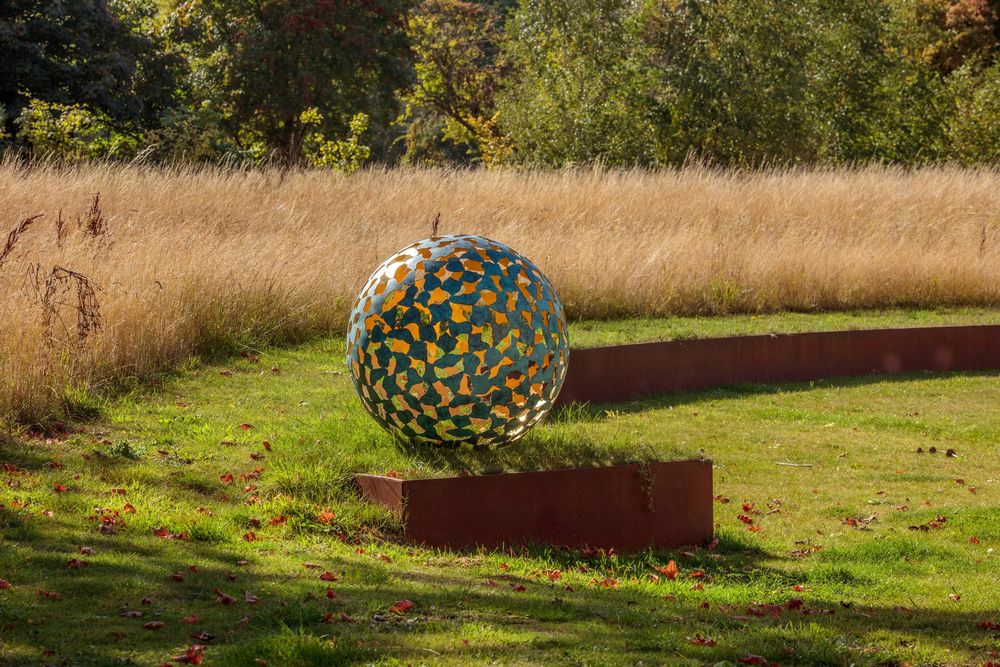
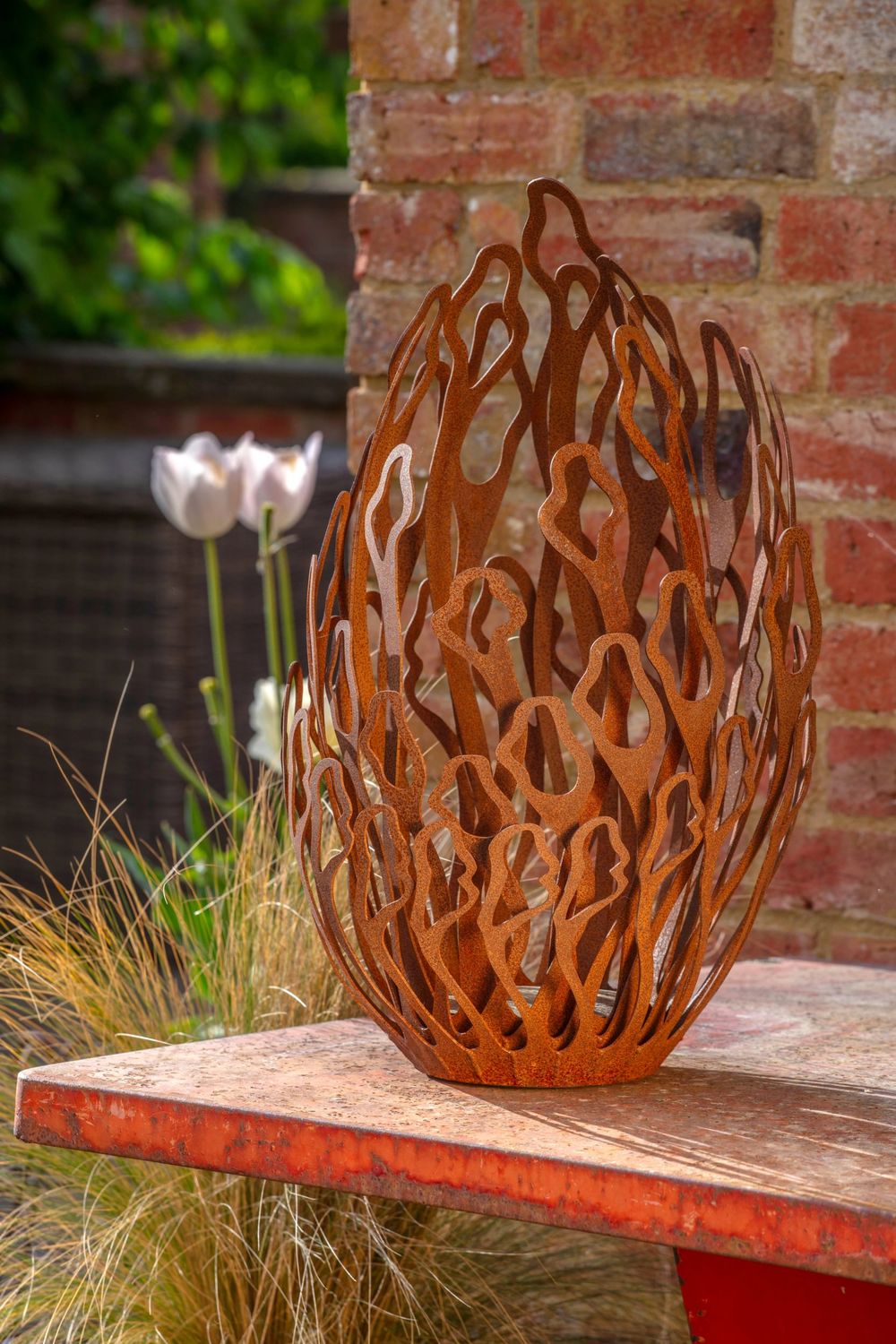
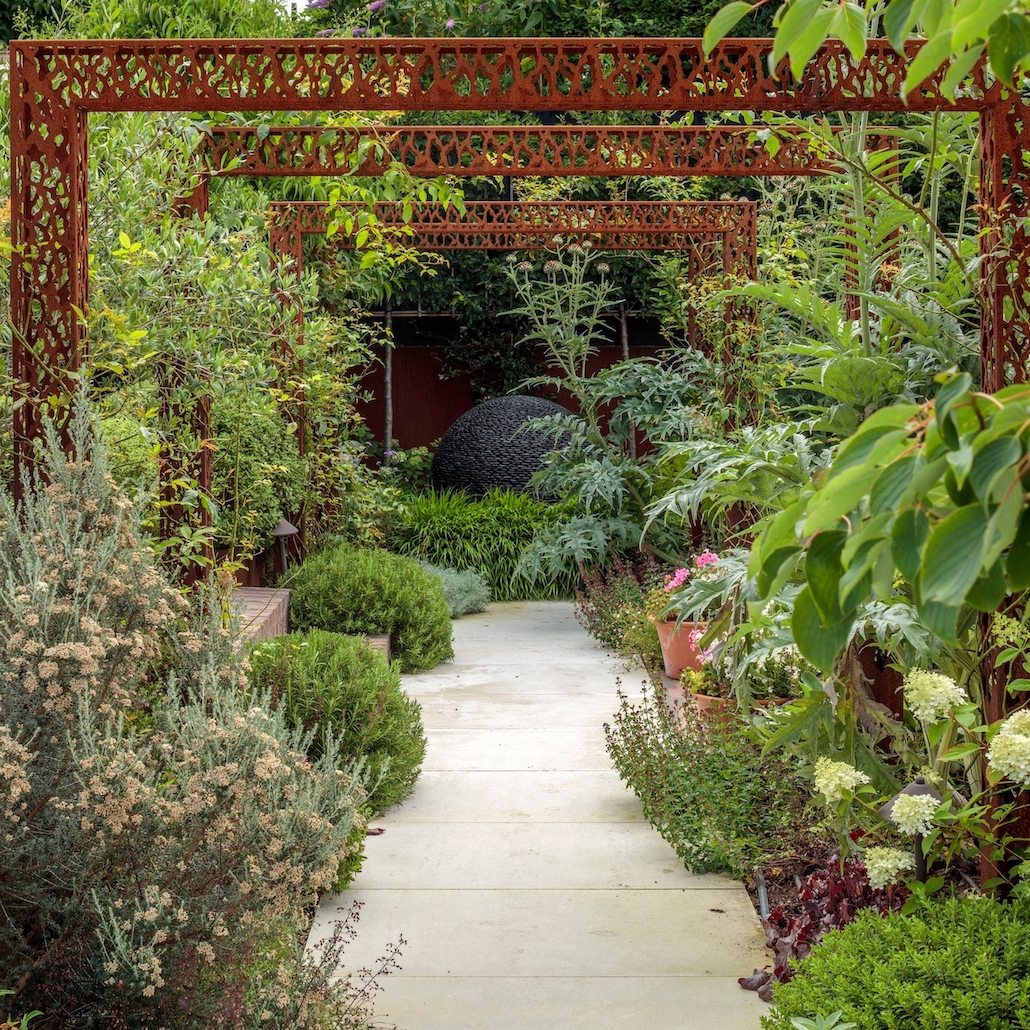
Corten steel elements
Raised beds, edging, and screens in weathering steel bring a warm, rusted tone that ages gracefully, and contrasts beautifully with greenery. It’s a favourite for adding a contemporary, architectural edge without looking cold.
Natural stone forms
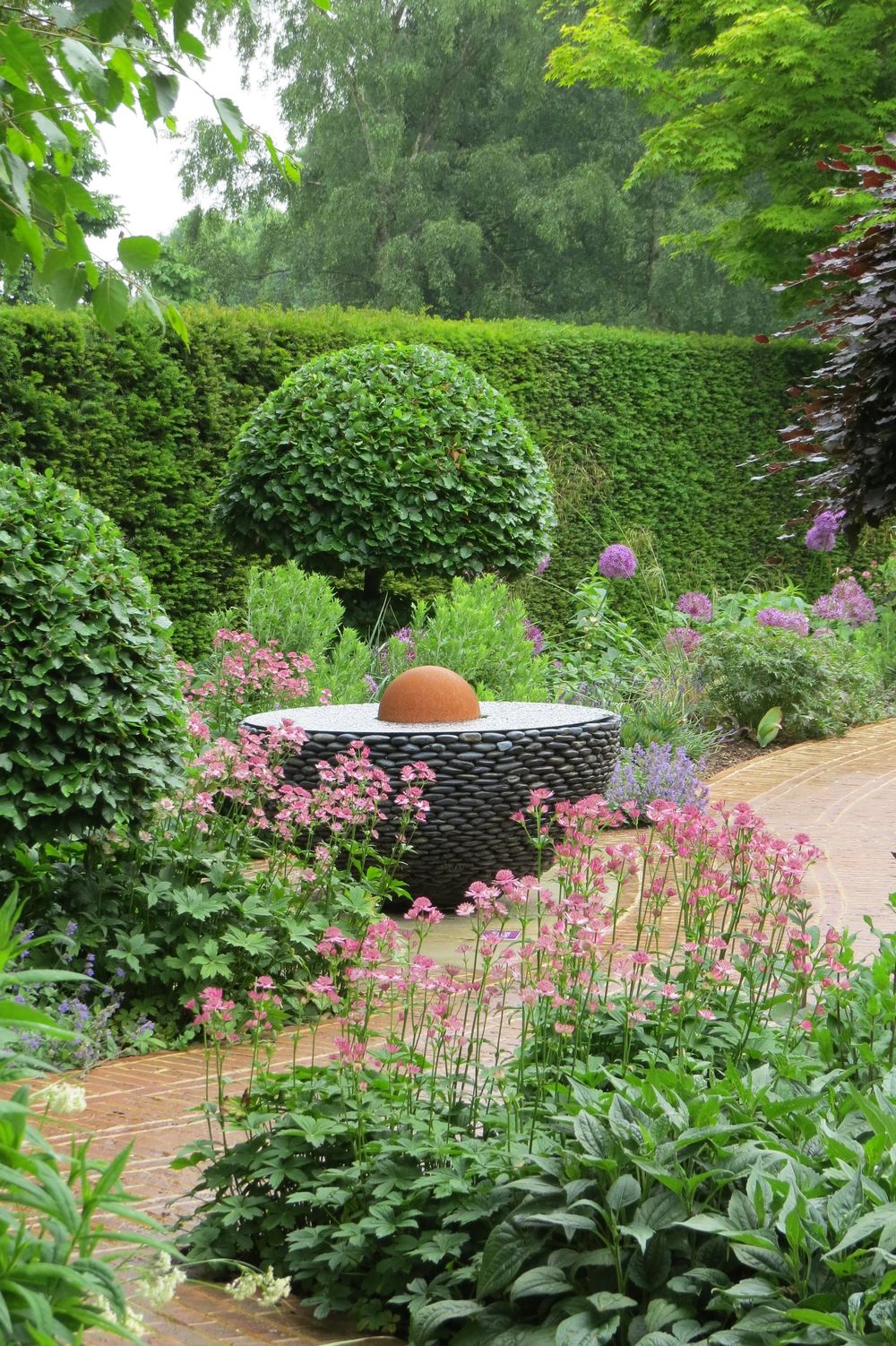
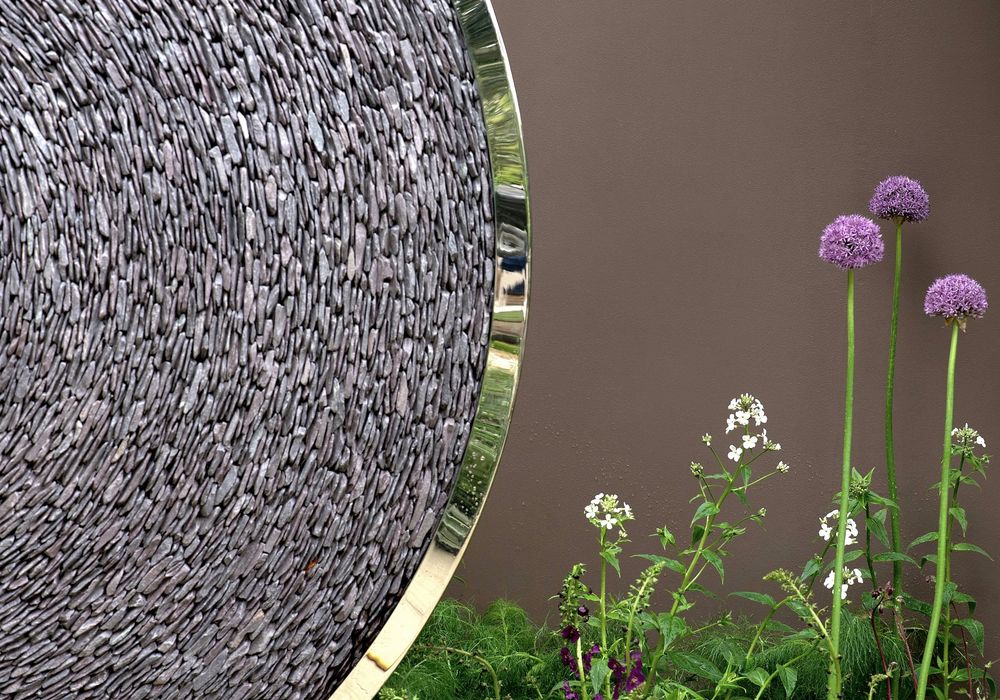
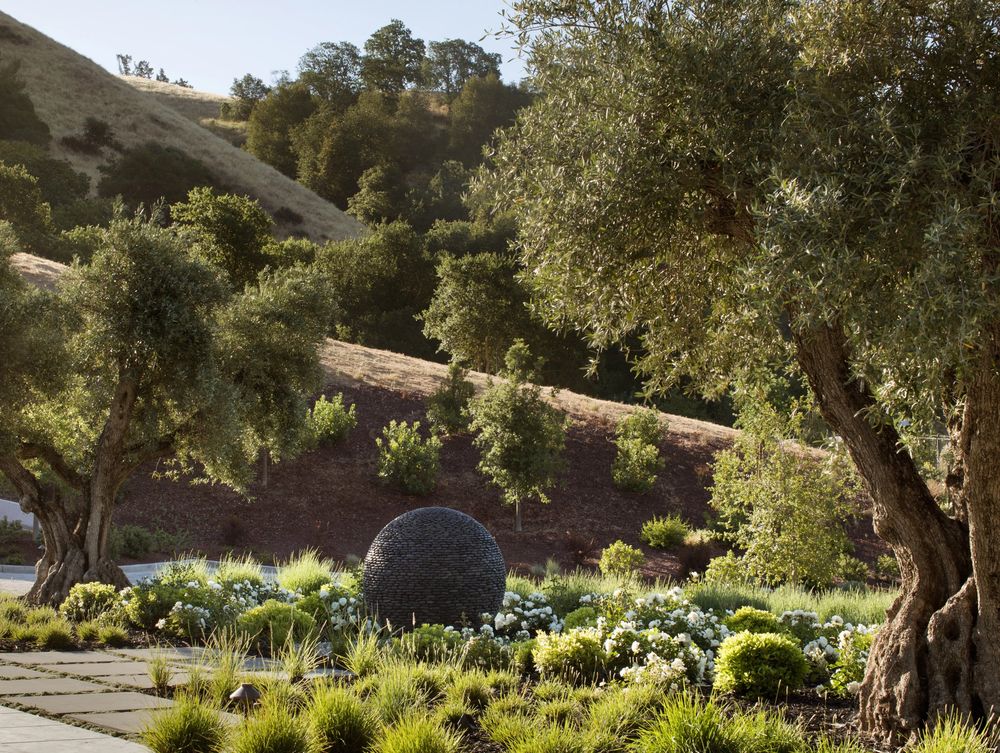
Stone steps, boulders, stone sculpture and paving ground a design in something timeless and textural and tend to sit more comfortably alongside planting than manufactured materials.
Pergolas, vertical plant supports, archways
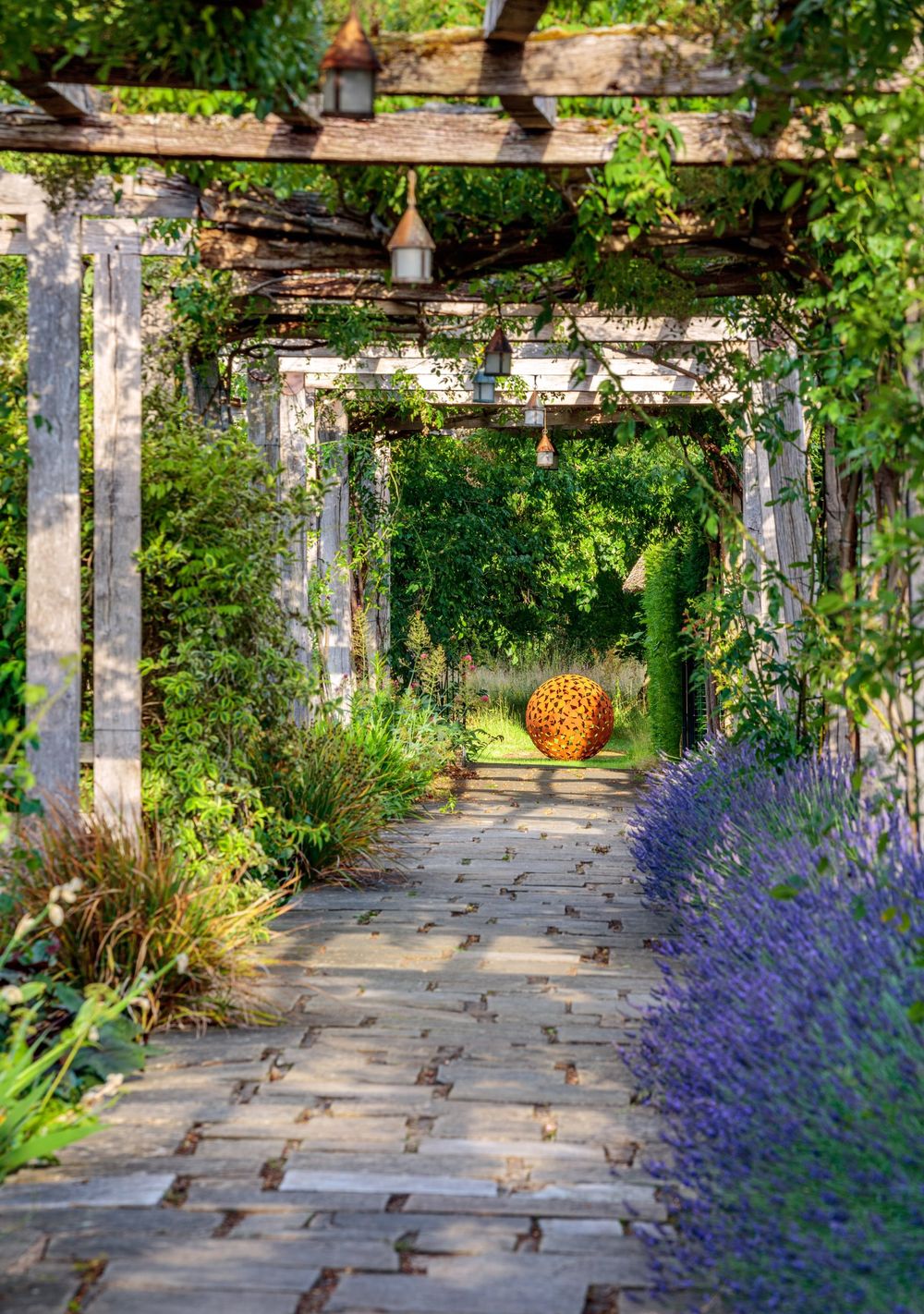
These add a third dimension to the garden, framing views, creating shade, and giving climbing plants a structure to grow. They will turn a flat plot into a layered space.
Decking
A practical, architectural way to extend the living space outdoors. It’s particularly effective for tying split levels together or bridging the transition from indoors to out.
The house and the garden should be in harmony
A garden that ignores the house it surrounds will always feel disconnected, however beautiful it is in isolation. Architectural garden design treats the boundary between the two as fluid.
Create functional spaces
Rather than one undifferentiated plot, the garden is broken into a series of garden rooms each with its own purpose, linked by thresholds and transitions: a change of paving, a hedge gap, an archway, that signal movement from one space to the next.
Strong connection to the home
The garden should read as an extension of indoor living space, not a separate territory. Materials, sightlines, and even furniture can echo what’s happening inside.
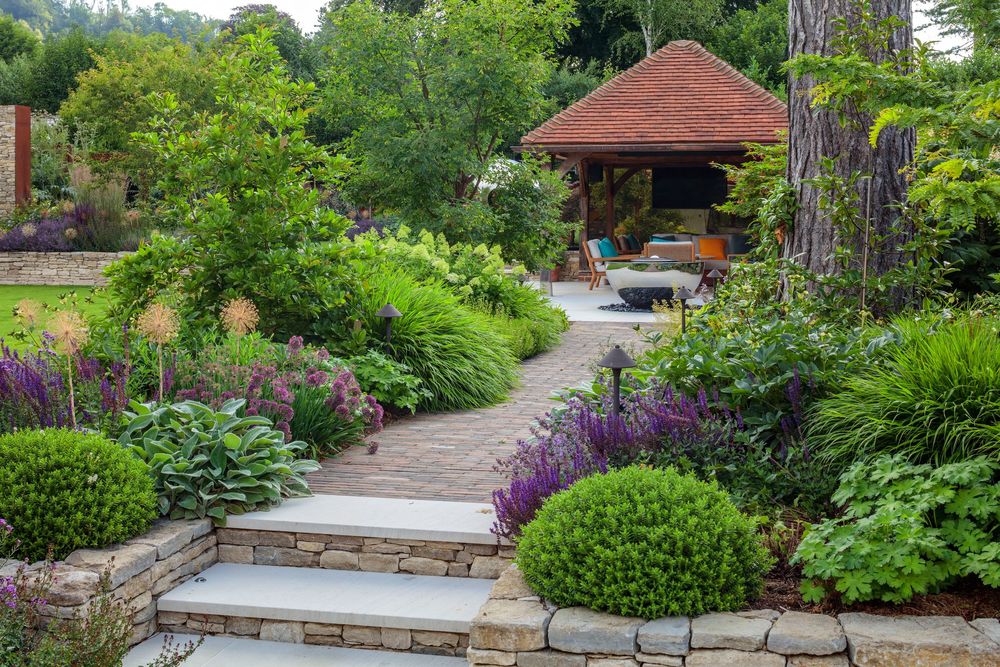
Axial layouts
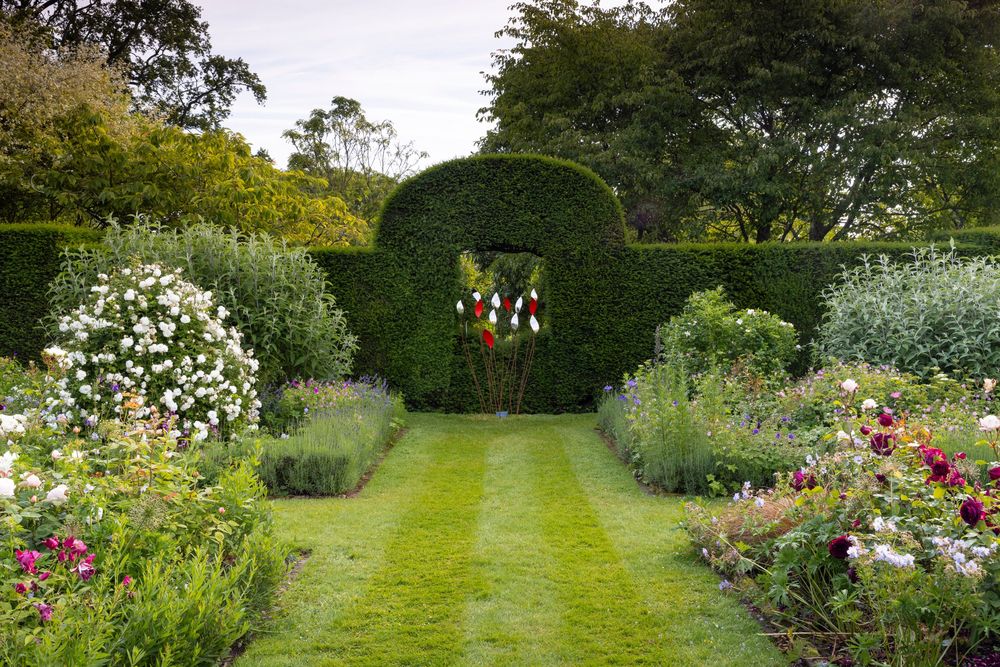
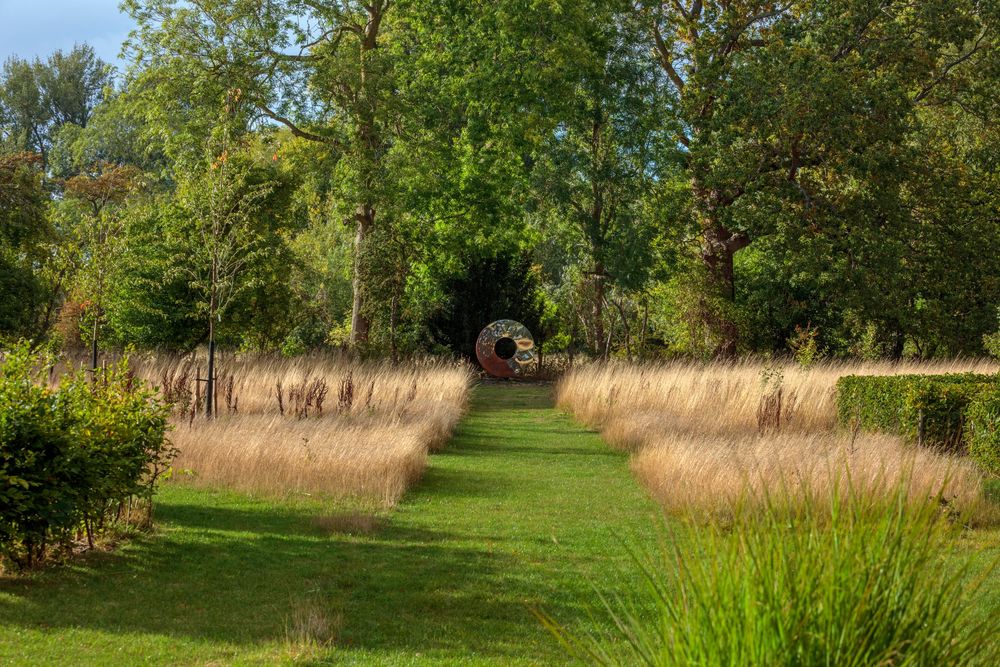
Long, straight sightlines connect different zones of the garden and tie the landscape back to the home’s primary doorways and windows, so that key views from inside the house are considered as carefully as the views within the garden itself.
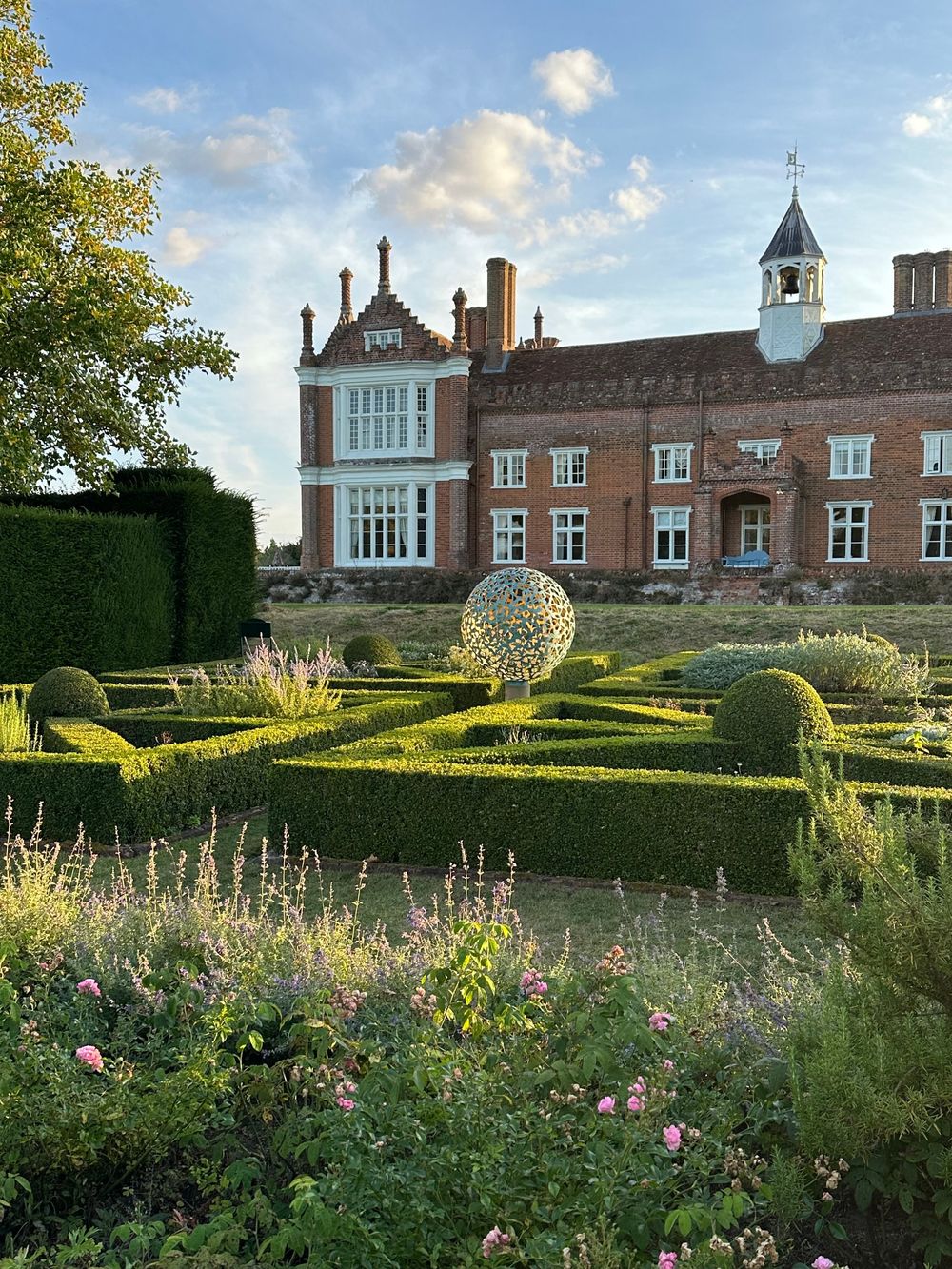
Focal points
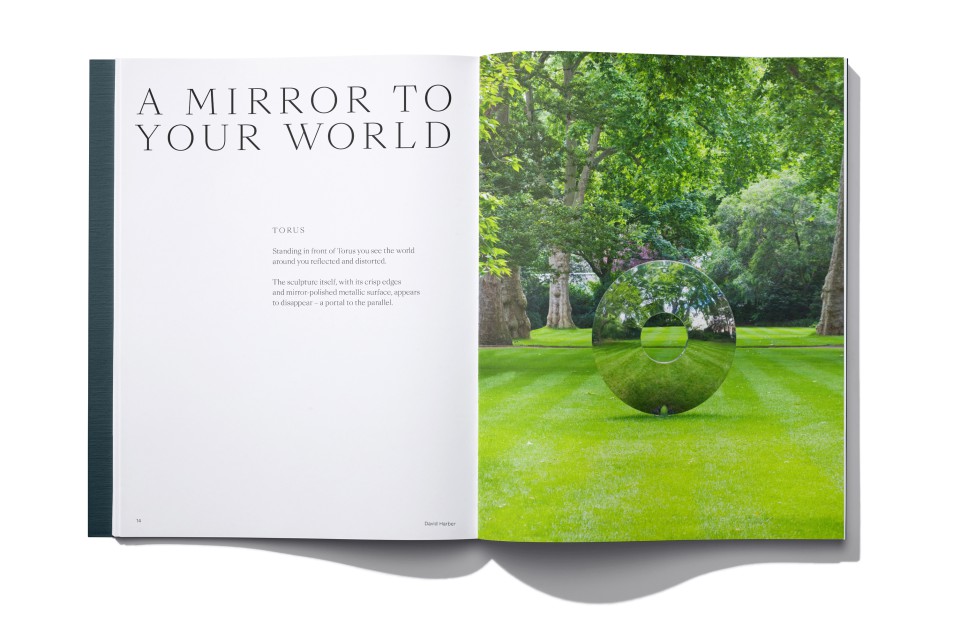
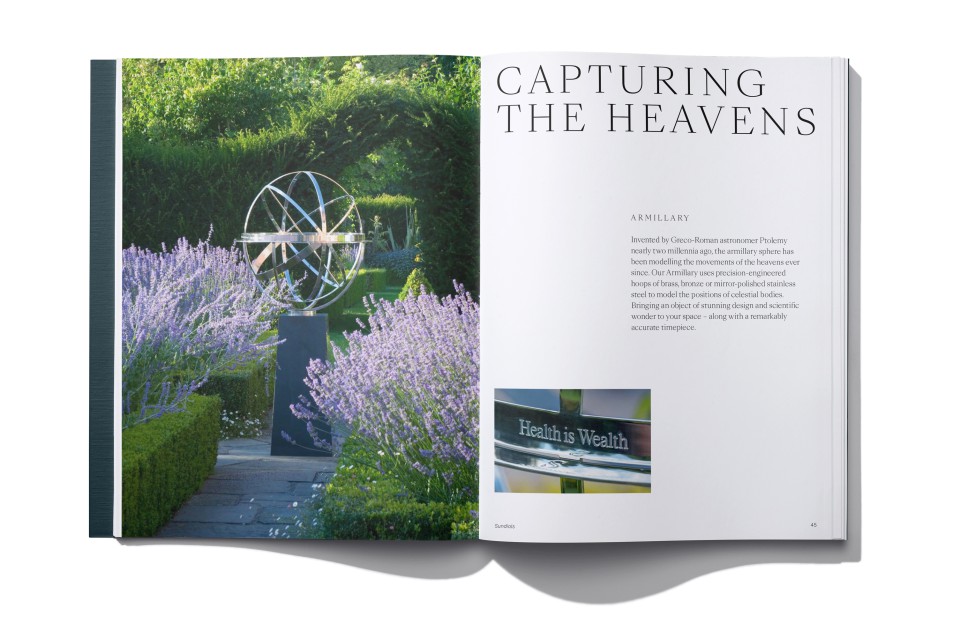
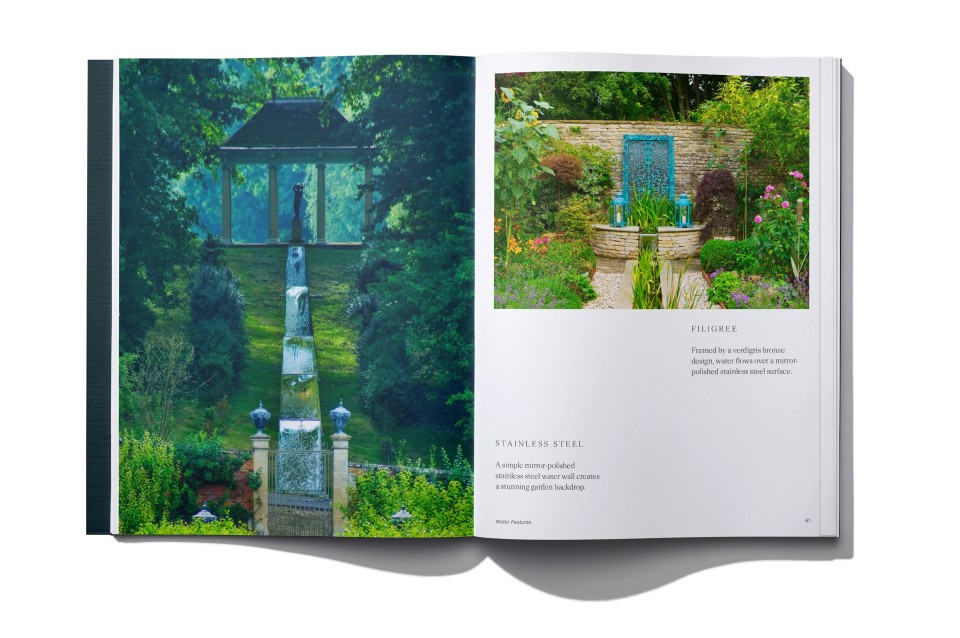
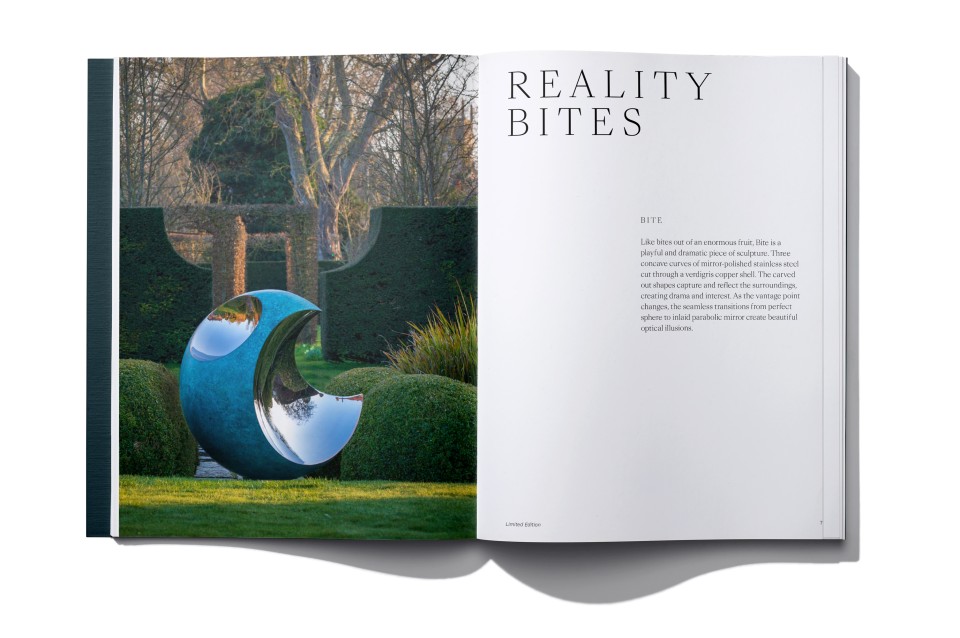
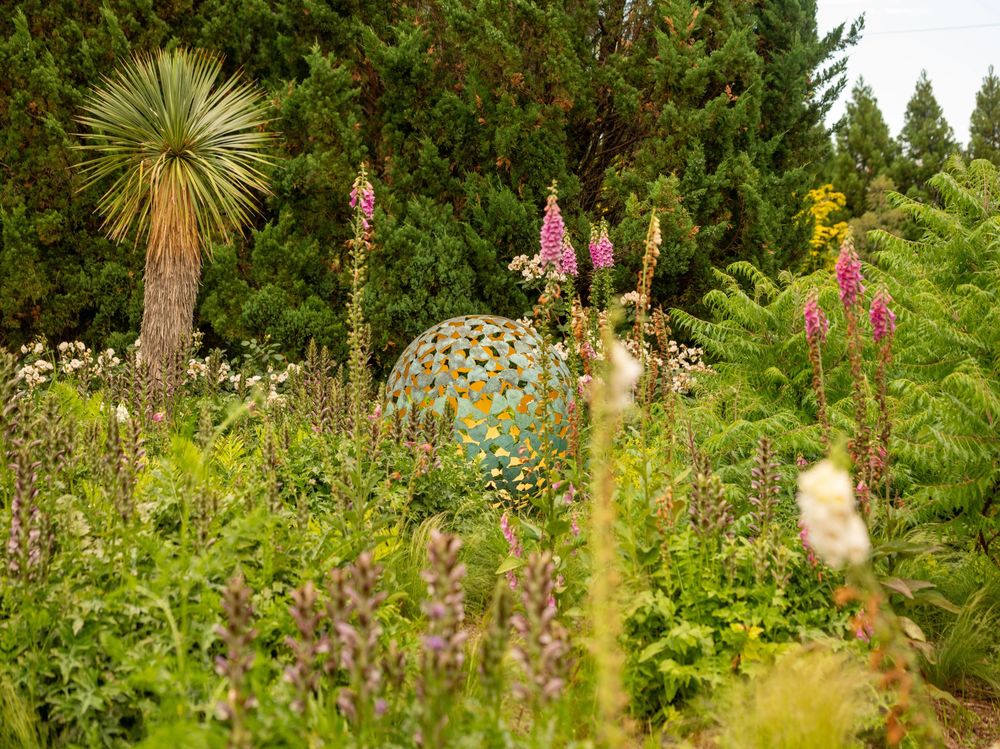
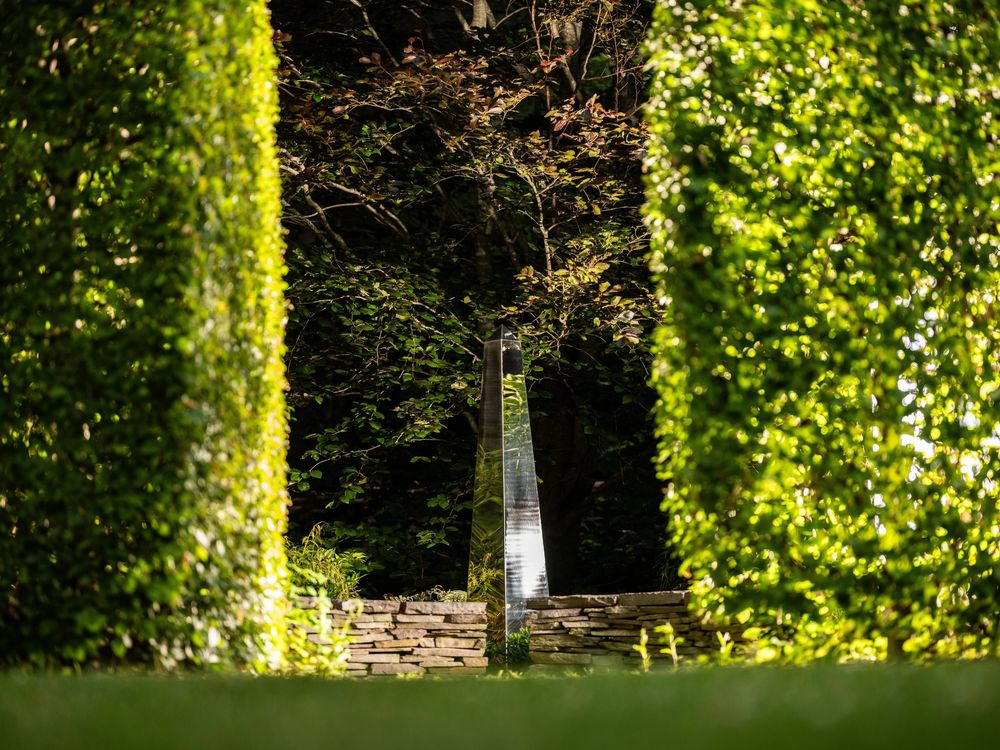
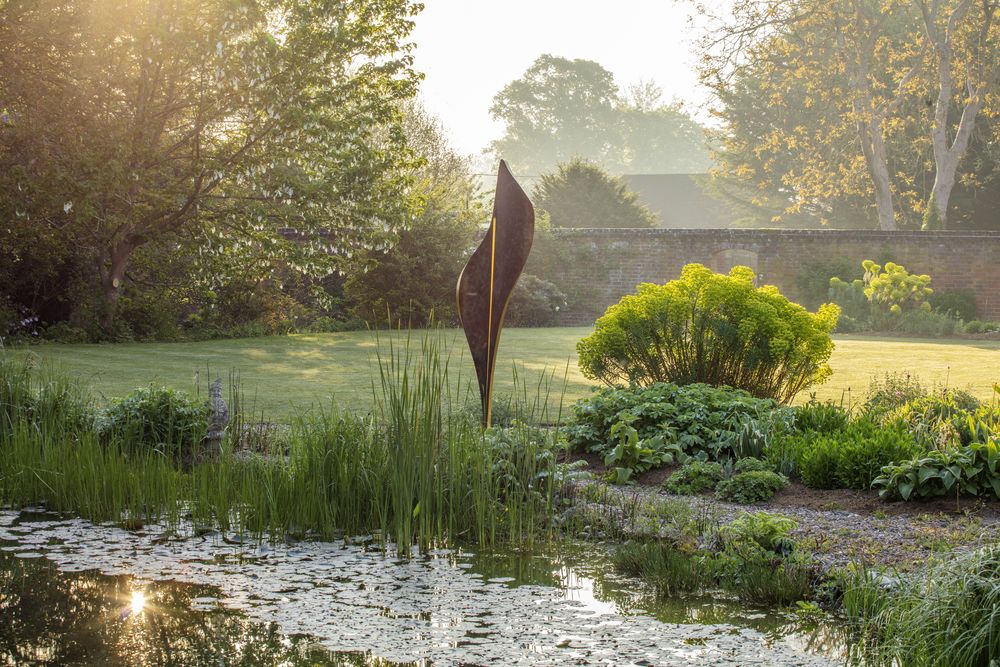
A specimen tree, a sculpture, or a water feature placed at the end of a sightline gives the eye somewhere to land and reinforces the sense of intentional design.
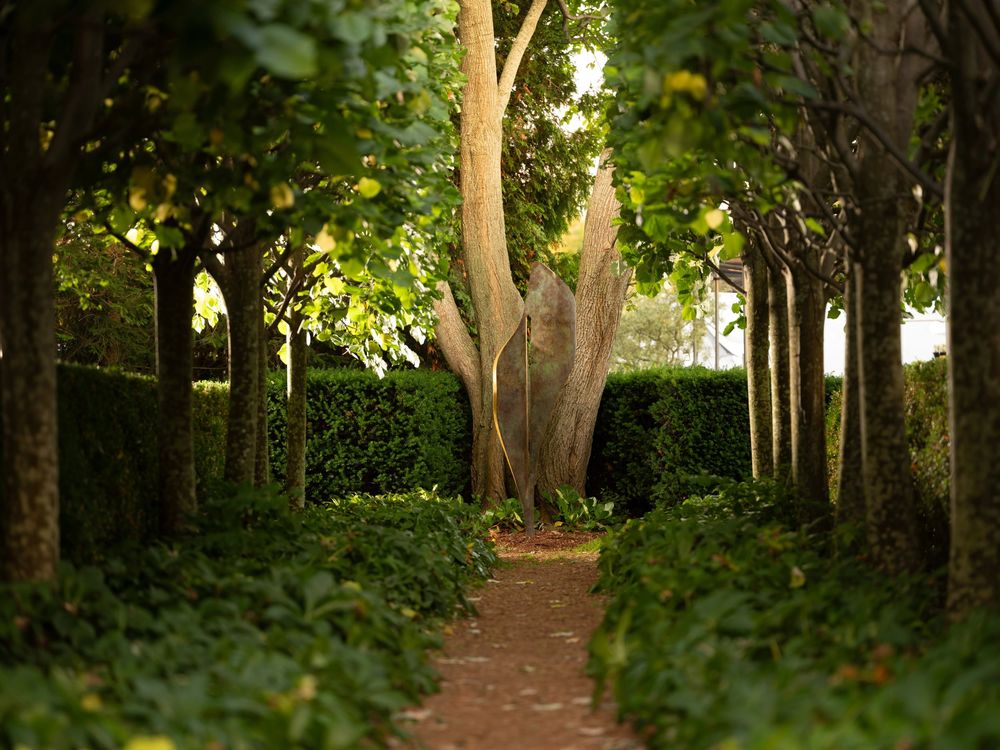
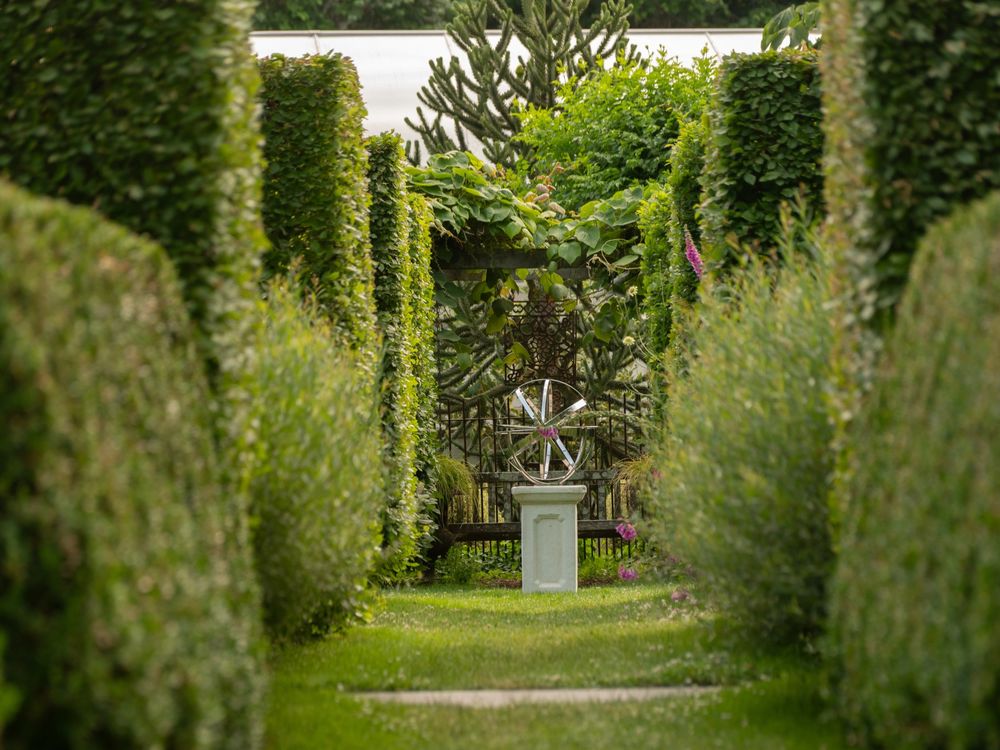
Incorporate structural planting
Rather than soft, undifferentiated masses of colour, plants are treated as sculptural elements. They’re chosen and positioned for their shape, structure, and silhouette.
For the garden to have year-round interest, it should have permanent “bones” and be low maintenance, following something close to a 70/30 rule.
Roughly 70% of the planting is foundational: low-maintenance, reliable perennials and shrubs that form the garden’s structure and hold visual interest through to autumn and beyond. This is the planting that guides the shape of the beds and provides the practical framework the rest of the garden sits within.
The remaining 30% is given over to native plants that benefit the local ecosystem, along with seasonal colour and experimentation. This is where you can dedicate space to growing eye-catching accent flowers that are allowed to be a little more formless, even untidy, without threatening the coherence of the whole.
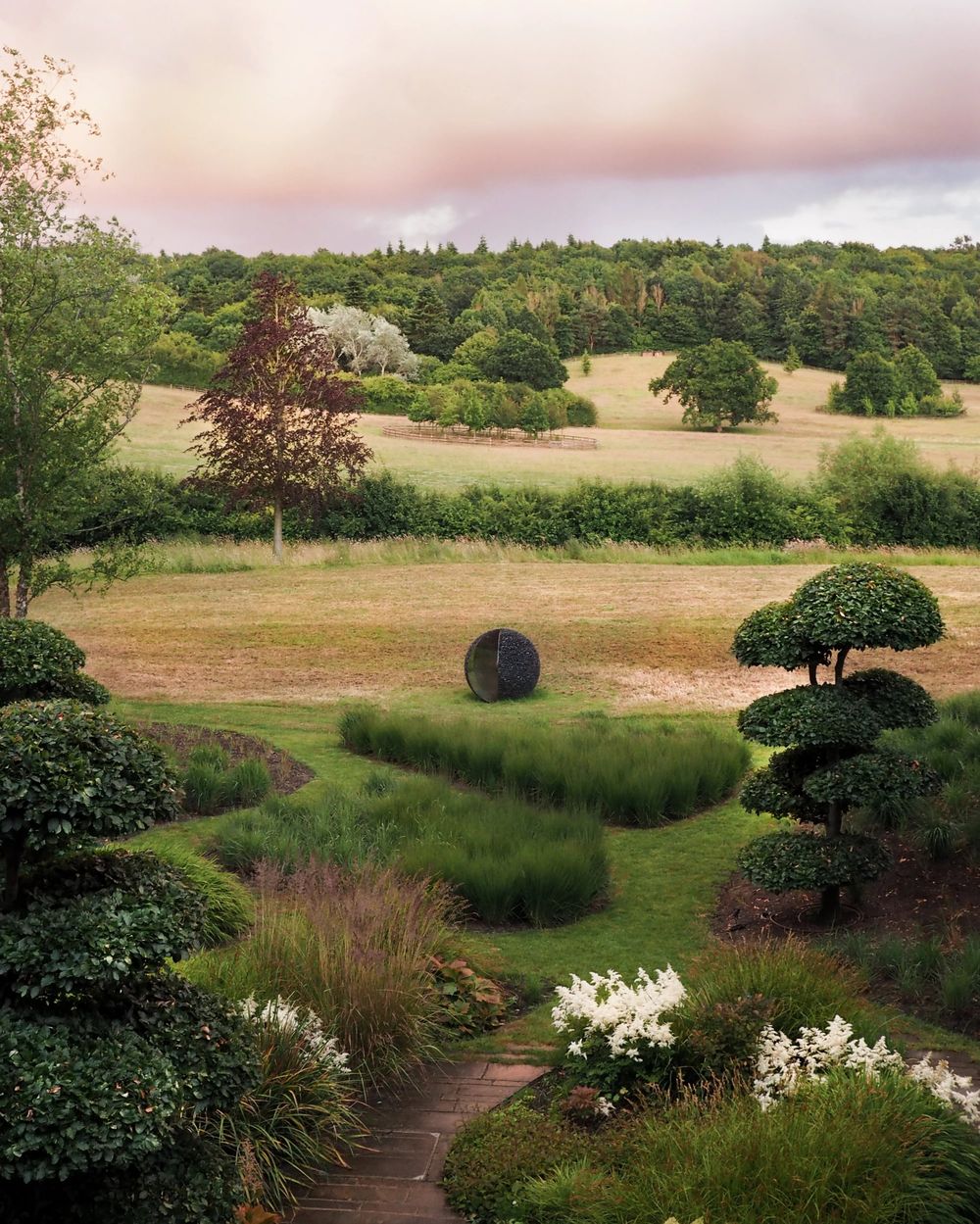
It’s also important to incorporate plants with distinctive shapes. Architectural plant shapes, spiky, rounded, columnar or sprawling, are used deliberately to create contrast and rhythm.
Add clean lines and symmetry
This key principle is all about bringing a sense of calm and order to the garden through deliberate geometry and repetition. A few design tricks help achieve it:
• Rule of three: Grouping plants, pots, or features in threes (or other odd numbers) creates a sense of natural balance that feels more considered than pairs or singles.
• Repeat planting: Using the same plant at intervals within a border or along a path creates rhythm and pulls a design together, even when the underlying planting scheme is varied.
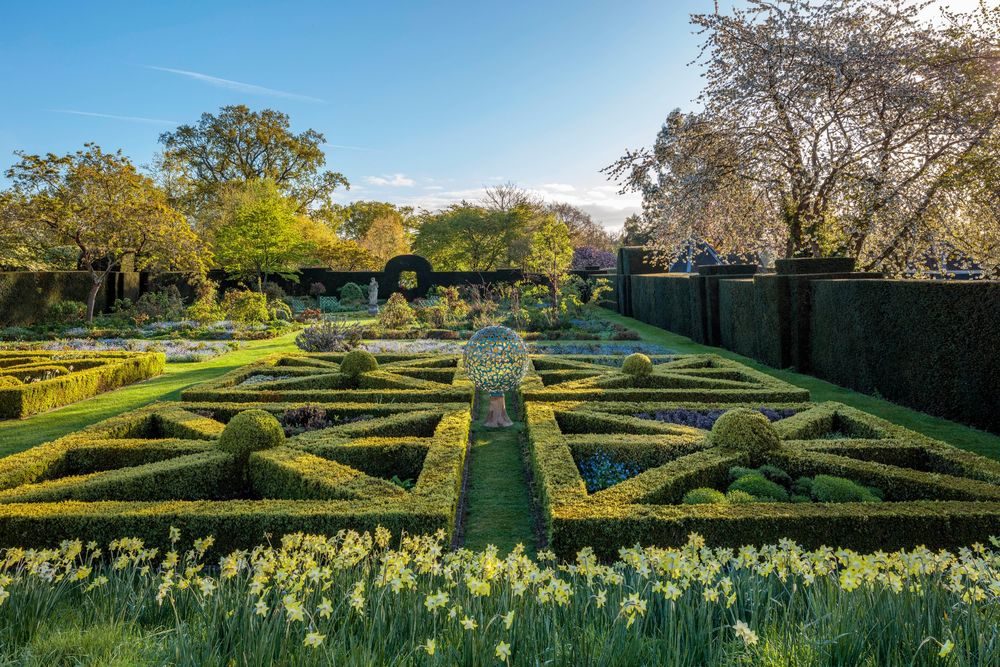
• Geometric shapes: Formal patios, lawns with crisp edges, flower beds, formal vegetable gardens, and clipped topiary introduce the same discipline of line and form found in the architecture of the house. Not every home will suit such a formal garden style. Consider the age and style of the property, and how the garden will be used, before taking this route.
• Framing and screening: Hedging, pleached trees, and structural planting are used to frame good views and screen unwanted ones, directing attention to where the design intends it to go.
How do I incorporate sustainable practices into my garden design?
Architectural garden design aims to create spaces that feel as though they’ve always been there. Gardens that are fully integrated with the home and the natural landscape and built to last. That same instinct for permanence and integration is what makes it naturally suited to sustainable practice.
• Material choices: Favour reclaimed, local, or naturally durable materials, such as stone, weathering steel, and responsibly sourced timber, over materials with a high carbon footprint or short lifespan.
• Native planting: Incorporate native species into your planting plan to support local pollinators and biodiversity.
• Working with the existing structure: Retain established trees, hedges, and even existing hardscaping where they can be worked into the new design. This reduces waste, protects established wildlife habitats, and often gives a garden more instant maturity than starting from scratch.
• Introduce water: A pond, rill, or even a small water feature supports biodiversity, moderates the local microclimate, and adds another sculptural, reflective element to the design, and ties the sustainability principles back into the garden’s architectural language.

Get in touch
Whether you’ve decided on a piece or you just want to sound out an aspect of our work, please get in touch with our team to discuss your needs.