A Wild Approach To Landscape Design: A Quick Guide To Naturalistic Planting
Naturalistic planting design has reshaped the way we think about gardens, offering landscapes that feel effortless, immersive and closely connected to the rhythms of nature. At its heart, a naturalistic landscape evokes the beauty of wild places such as meadows, woodlands and prairies, while still being carefully composed. Rather than relying on rigid structure of formal herbaceous borders, this approach celebrates plant communities, seasonal change, plant shapes, natural textures, and a sense of gentle movement, allowing a space to feel both refined and alive.
Pioneers like Dutch garden designer and plantsman Piet Oudolf and landscape architect Thomas Rainer have brought naturalistic design into the spotlight, inspiring a global shift toward landscapes that are simultaneously artful and ecologically grounded.
Oudolf was one of the influential figures who led the New Perennial Movement in the late 1980s and early 1990s, primarily in the Netherlands and Germany, to seek a more ecologically attuned alternative to conventional ornamental planting. The movement inspired a shift away from short-lived displays toward gardens that evolve beautifully over time.
Here we explore the ideas, techniques and influences that shape this approach, and look at how this design style can be translated artfully into home gardens.
What is a naturalistic landscape?
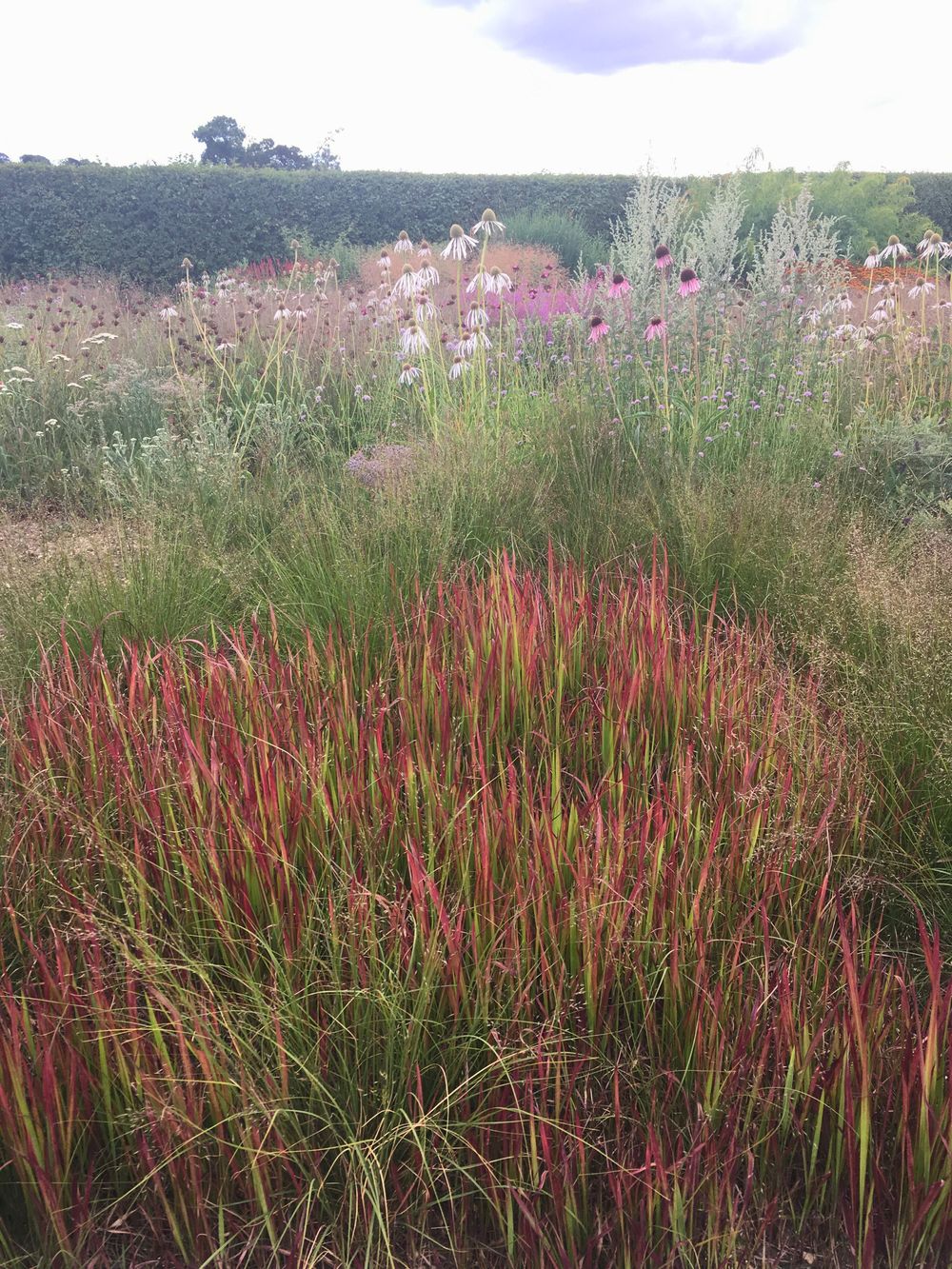
Naturalistic landscape design bridges horticultural artistry with environmental responsibility. It’s a plant-driven approach to garden design, and key principles such as layered planting, ecological harmony and an appreciation for texture and form underpin this style. Designers often work with herbaceous perennials and grasses that thrive together, creating dynamic scenes that evolve gracefully throughout the year. Beyond their visual appeal, these plantings also offer environmental benefits. They support biodiversity, require less intensive maintenance, and help establish resilient, climate-responsive gardens. The use of chemicals, pesticides and fertilisers is limited and depends on the strength of plant communities to fight pests and diseases.
Although this is a wilder approach to design, a naturalistic style should not be confused with a rewilded landscape. Rewilding focuses on restoring ecosystems to a more self-sustaining, natural state with minimal human intervention. It prioritises ecological processes over appearance, while naturalistic planting and landscapes seek to marry ecological principles with artistic composition. It’s an intentionally designed approach that references a wild garden style with natural plant communities while remaining firmly within the realms of horticulture.
What are the benefits of naturalistic landscaping?
Naturalistic landscaping benefits both the gardener and the environment. Here are a handful of reasons why:
1. Enhanced biodiversity: By using diverse, ecologically compatible plant communities, naturalistic landscapes provide rich habitats for pollinators, birds and other wildlife.
2. Seasonal interest and longevity: Layered perennial and grass-based plantings offer structure and beauty throughout the year, evolving gracefully rather than relying on short-lived floral displays.
3. Greater resilience: Plants selected for their adaptability and compatibility create communities that are more tolerant of drought, pests and unpredictable weather caused by climate change.
4. Reduced maintenance needs: Once established, these plantings often require less watering, soil disturbance and intensive care than traditional ornamental schemes.
5. A sense of emotional connection: Naturalistic landscapes evoke the calm, movement and subtlety of wild places, offering spaces that feel both uplifting and deeply grounded.


What is an example of a natural landscape?
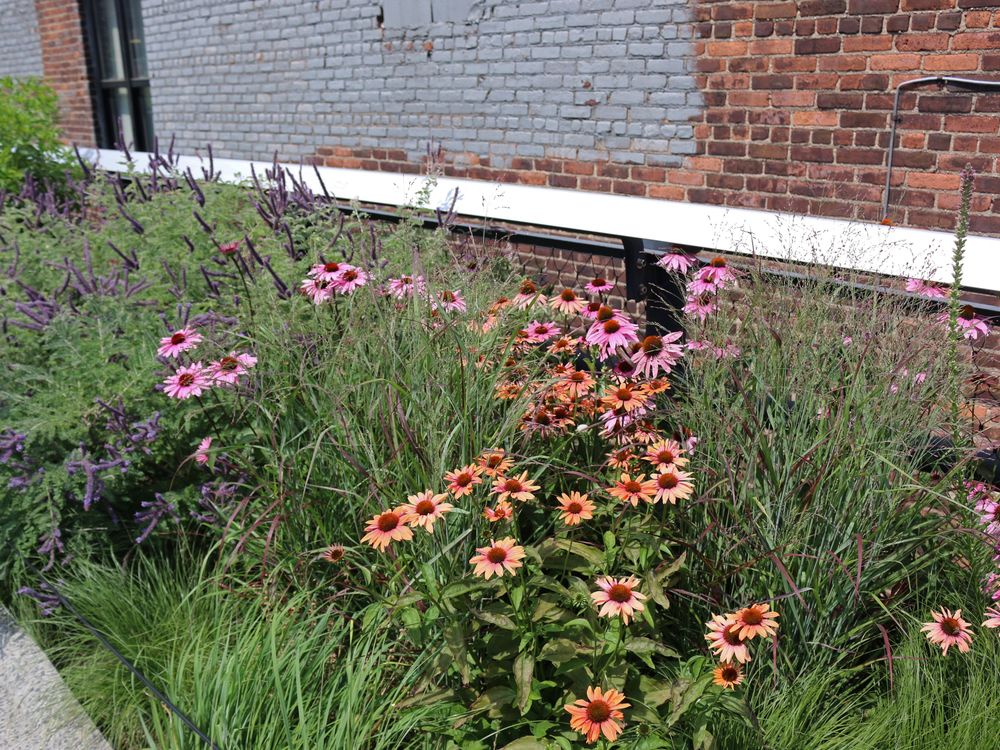
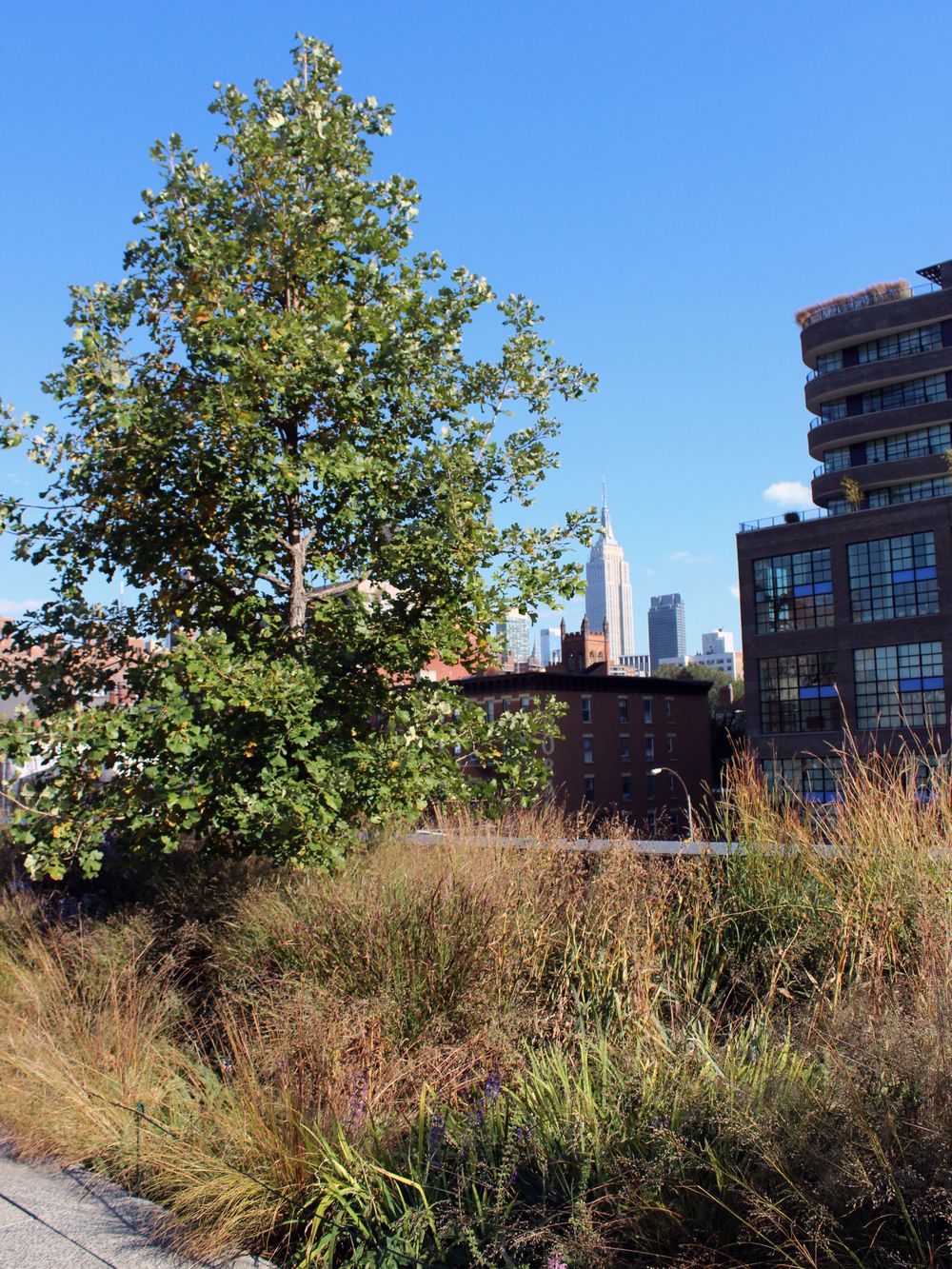
Arguably, the most famous example of a natural landscape is the Highline in New York City. Once a key mode of transporting food to lower Manhattan, the line closed in the 1980s and was left abandoned and unused for 25 years. In that time, the disused rail line became overrun by self-seeding plants. It was these naturally growing plant communities that inspired the 1.45-mile-long greenway, which now features over 500 species of plants and trees.
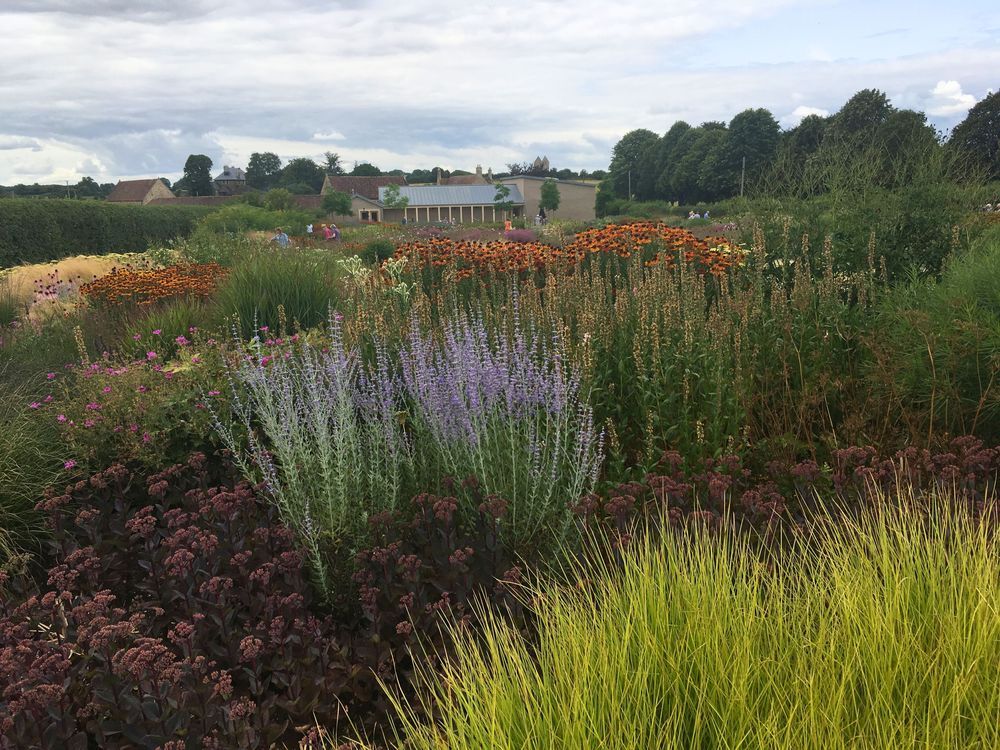
An incredible example of naturalistic planting design in the UK is The Oudolf Field at Hauser & Wirth Gallery in Bruton, Somerset. It’s a 1.5-acre perennial meadow that was once a bare field bordered by hedges. Designed by Piet Oudolf himself, the meadow is shaped into a series of curved planting blocks. You won’t find any shrubs or trees here, hence its name ‘field’ as opposed to a ‘garden’, just swathes of perennials and ornamental grasses. Throughout the year, as part of the art gallery’s programme of events, the field features sculptural pieces for visitors to appreciate the beauty of art and nature side by side.
How do you design a naturalistic garden?
Designing a naturalistic garden begins with understanding how different plants behave together and translating those principles into a thoughtful, layered composition. While the results should feel relaxed and effortless, the process benefits from a clear step-by-step approach. To create your own Oudolf borders at home:
1. Observe the site
Take time to understand the light, soil, and moisture in the garden, and note your hardiness zone. It’s also important to consider any existing plants and whether you want to keep or remove them. This important first stage will guide plant choices and determine the character of the planting.
2. Shape the layout
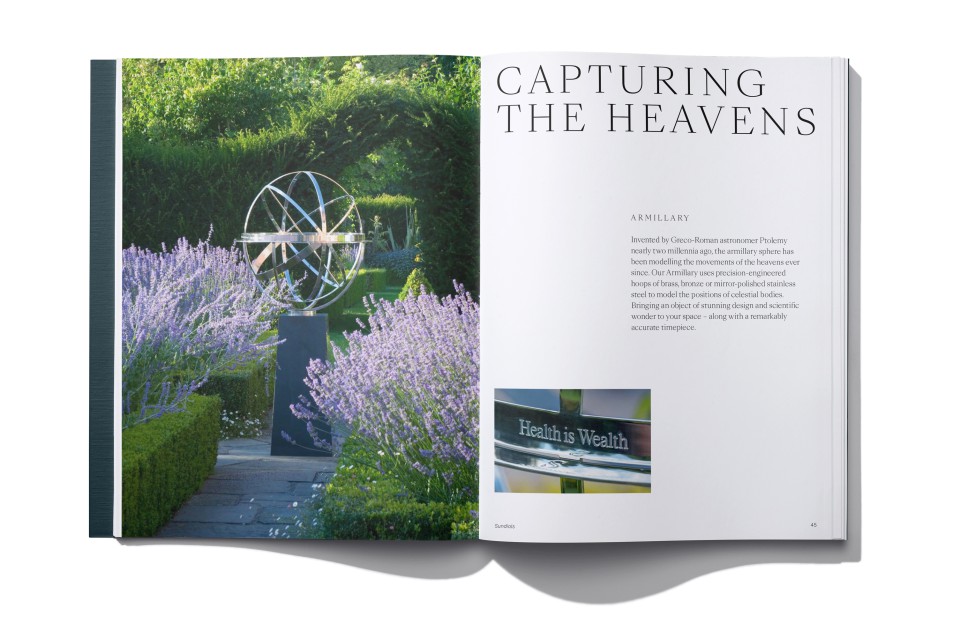
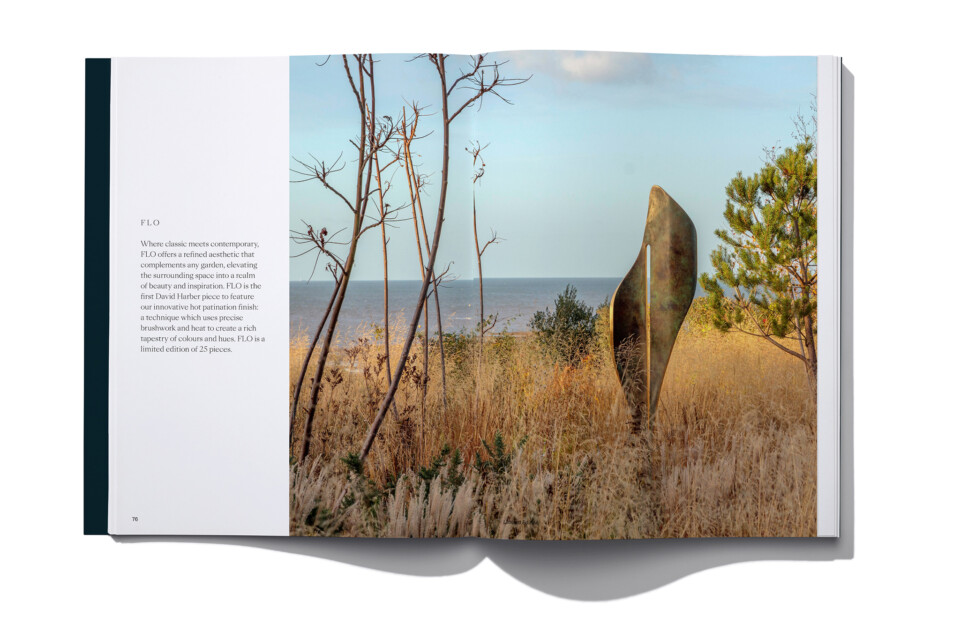
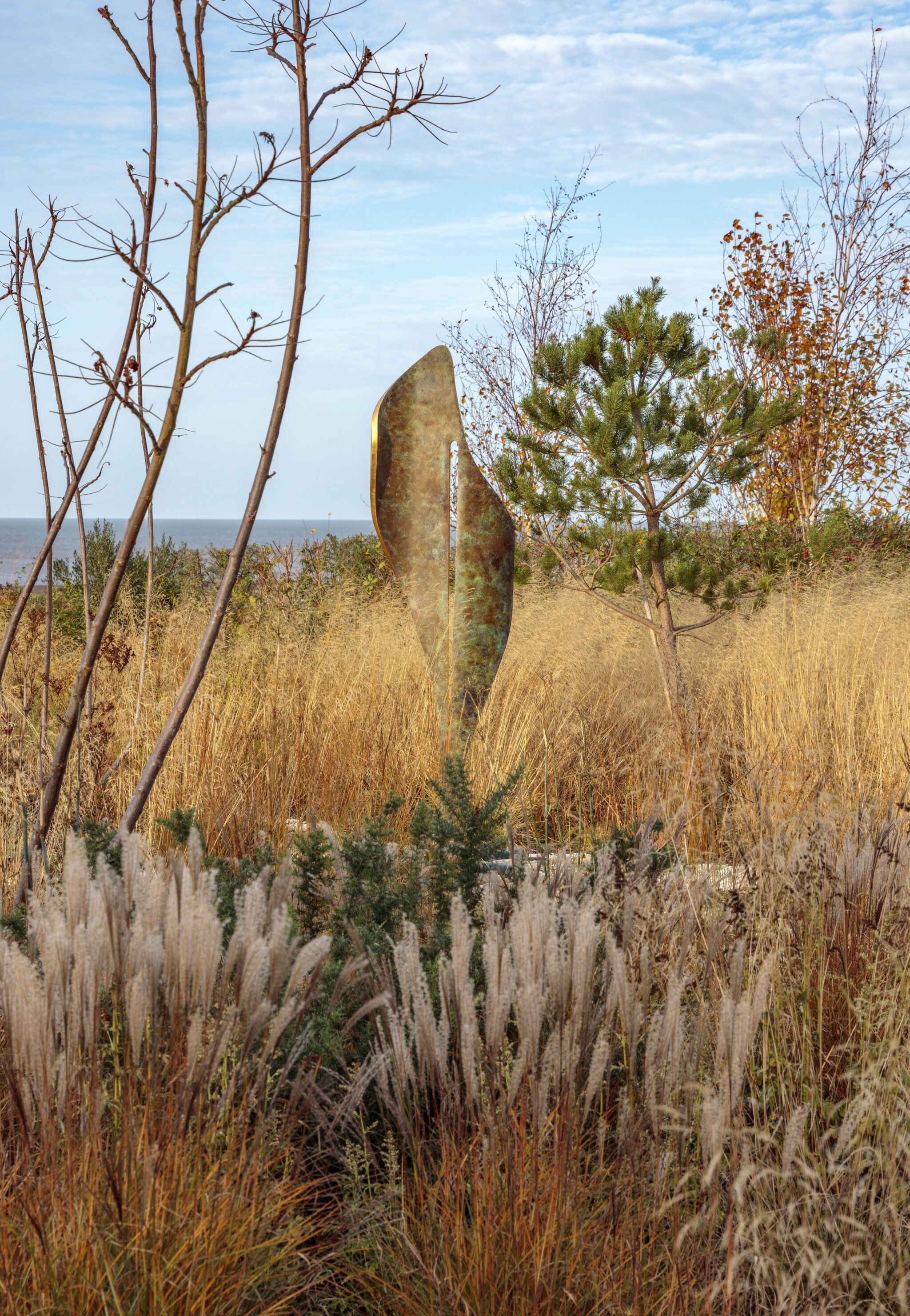
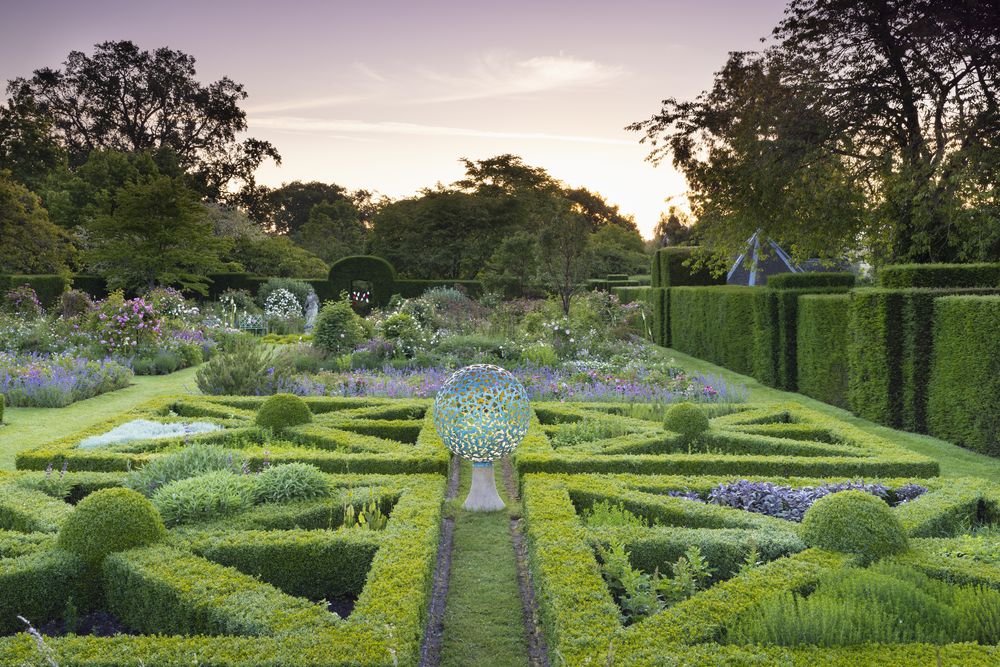
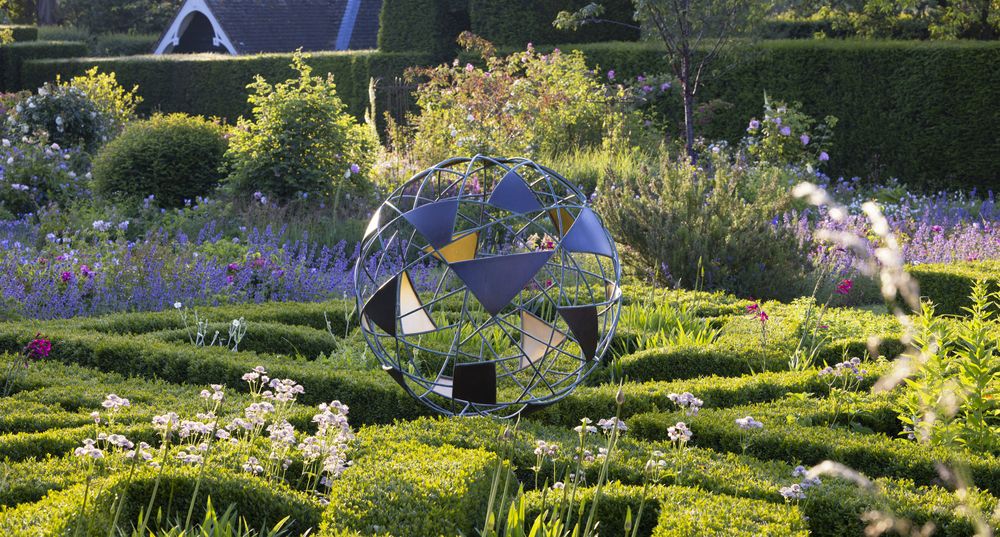
Define key sightlines, paths and focal points. Even the most naturalistic garden benefits from gentle structure, whether that’s through hardscaping, a sculptural element such as these organic slate sculptures, graceful curved edging, or a defined seating area.
3. Plan the planting layers
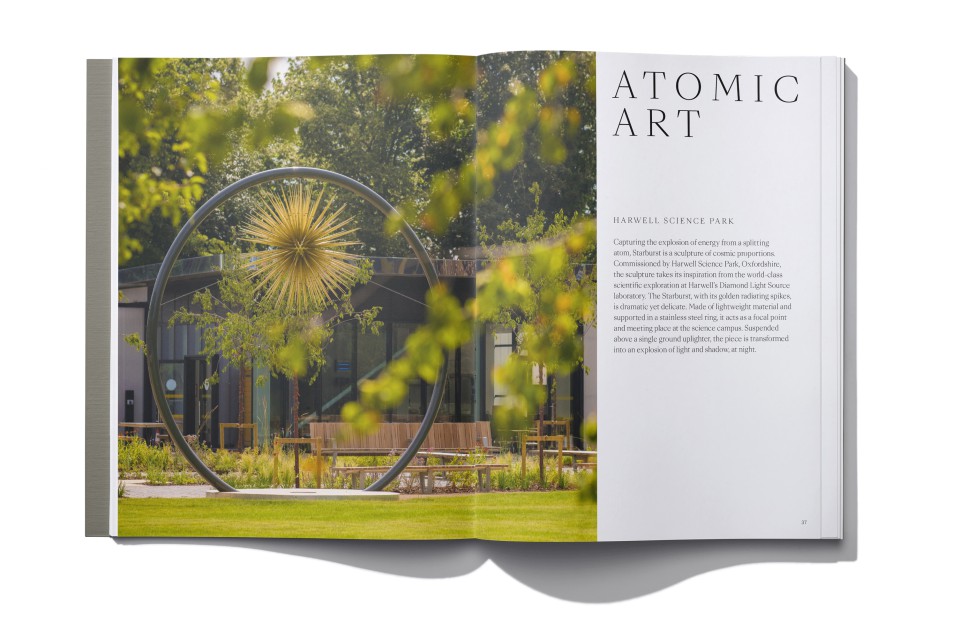
Naturalistic landscape design is rooted in the selection of plants. The focus is on structure and form, rather than colour and flowers, and planting in multiple layers to create depth, resilience and year-round interest. Outdoor artwork can play a role within these planting layers by introducing shape and structure from handcrafted materials rather than natural elements.
- Structural layer: Long-lived perennials or shrubs that provide shape and anchor the composition. This structural layer emphasises distinct shapes with an eye-catching presence, characteristics shared with sculptural artworks. Other planting layers peak and die back from month to month, but the elements in this key design layer, whether a plant or a striking sculpture, support the scheme year-round.
- Companion plant layer: Mid-height perennials that weave around the structural plants, adding texture and seasonal colour.
- Ground-cover layers: Low, spreading species that knit the planting together and suppress weeds by working as a living mulch. Choose compact plants in muted tones with a long season of interest that can be planted in large numbers.
- Vertical layer: Grasses, sedges or tall, airy perennials that introduce movement and rhythm.
- Filler layer: Short-lived bulbs or self-seeding annuals that occupy gaps and ensure the scheme feels abundant throughout the year. Bulbs are useful, as they provide interest early in the year when other herbaceous plants are slow to get growing.
4. Consider communities
Group plants that thrive in similar conditions, allowing them to interact naturally rather than existing as isolated specimens. Consider the impact on wildlife and think about how the shape of the plant benefits invertebrates such as butterflies and spiders, as well as seed heads that can support birds.
5. Allow for evolution
Naturalistic gardens change over time. Embrace gentle adjustments, editing where needed, and let the planting develop its own character. Naturalism requires a less manicured approach. Reduce your deadheading to allow seed heads to form and let plants die back naturally.
How can you make a naturalistic garden work in the city?
City gardens are generally smaller, restricted by shape, and need to accommodate family life by including social areas for seating and entertaining. Naturalistic planting can be scaled up or scaled down, depending on the size of the garden, and it’s a beautiful way to introduce native plants and pollinators into urban areas.
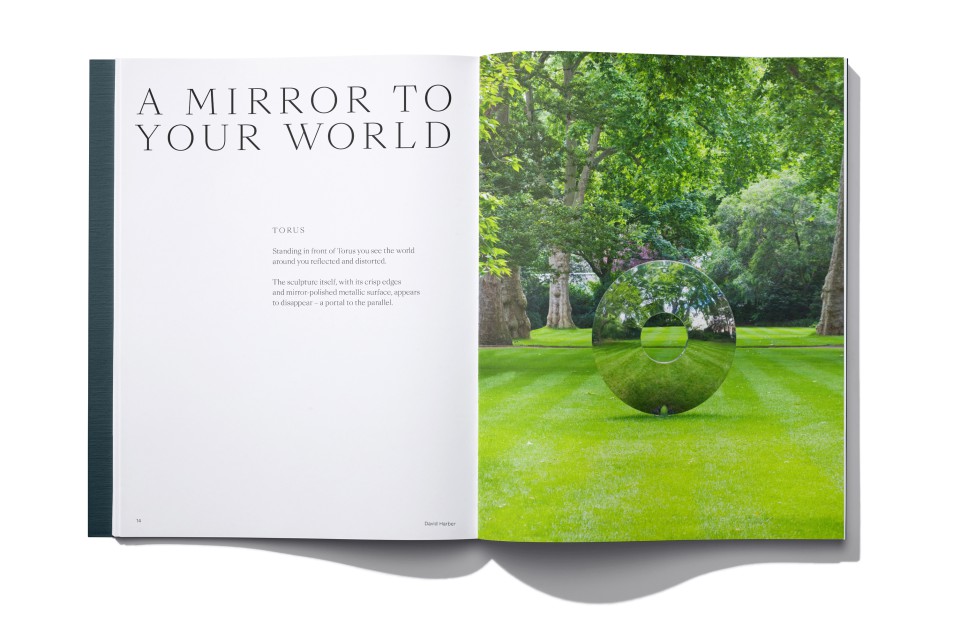
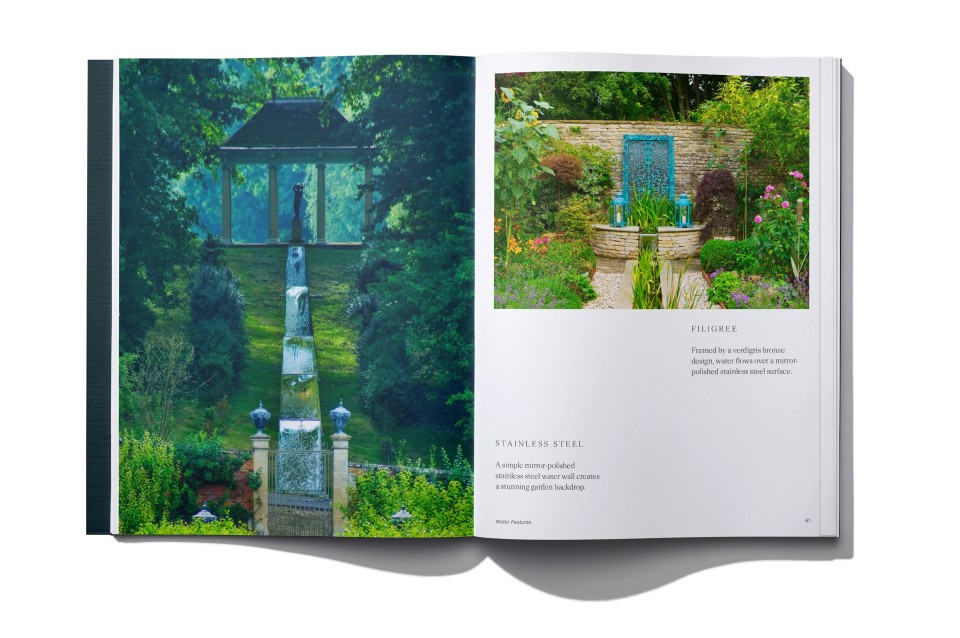
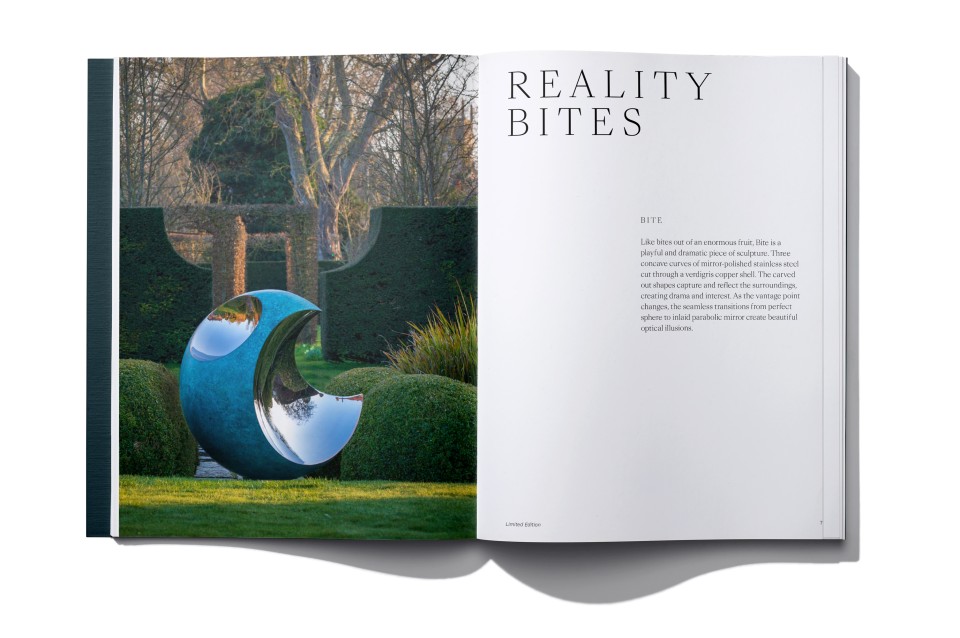
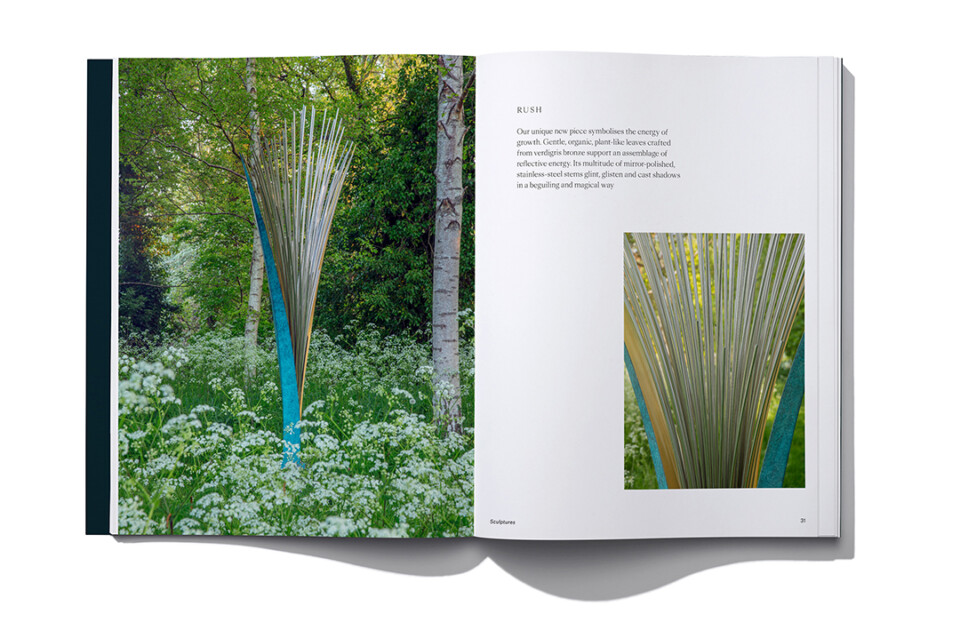
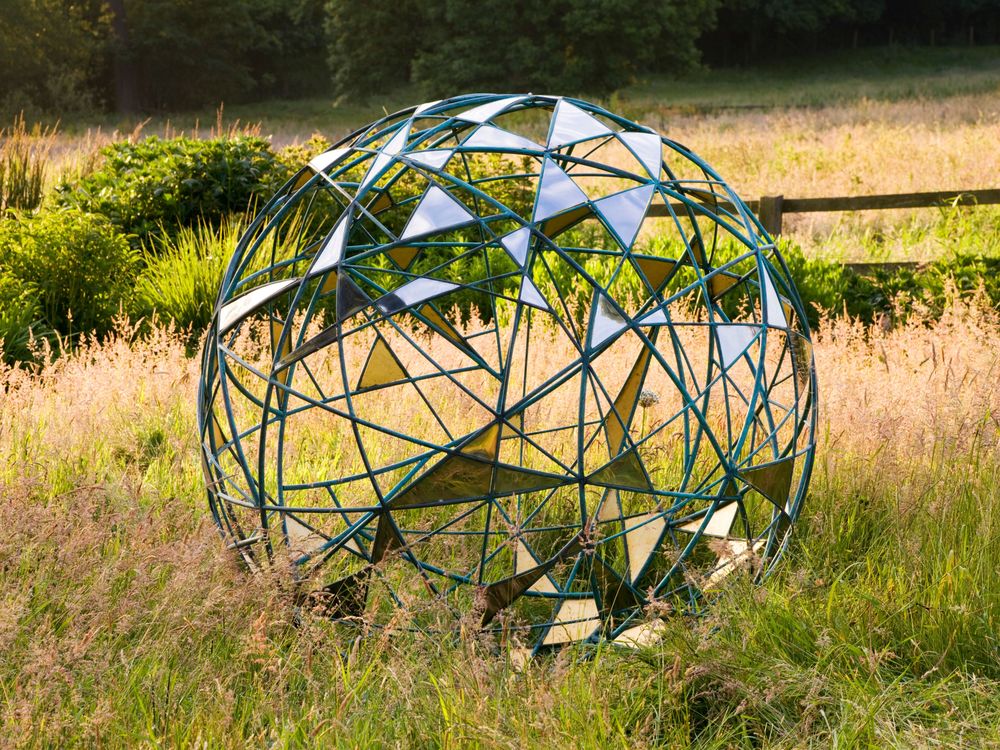
If you’re attempting a natural-looking design in a city garden, think carefully about your planting plan and limit your plant choices. The temptation in a small garden is to select lots of plants with limited growth, but this can create a ‘fussy’ design. Instead, go for fewer plants with year-round interest that are low-maintenance and grow well together, and repeat these throughout the garden. When considering sculpture, choose materials that will coexist naturally within the space, such as oxidised steel, stone or verdigris bronze. Contemporary metals such as stainless steel can introduce elements of reflection that create the illusion of a larger space.
Can naturalistic landscapes make us happy?
Yes, naturalistic garden designs can make us feel happy. As we spend more and more time outdoors, we naturally look to the garden as an extension of the home and want to mould it to our individual style. Alongside considered planting, art and sculpture are long-lasting, memorable solutions for this, as they invite engagement with the outdoors on a deeper level. Naturalistic settings are artful by design, and the process is similar to creating a curated interior space. It’s a form of creative expression that can benefit you and the planet. What’s not to love about a garden, full of texture and structure, and buzzing with the sound of insect life? Choosing a wilder, natural garden style requires less maintenance, too, giving you more time to enjoy the garden you’ve spent time creating.
How do naturalistic gardens support biodiversity?
Although not limited to native plants, Oudolf style naturalistic planting can incorporate native plants to support local biodiversity, but these need to work with the ornamental plant selection. Be realistic about the conditions of your site and choose plants, native or not, that will thrive in your soil type and levels of light.
How do we define a native plant?
Any plant that occurs naturally in a region without human intervention. They’re well adapted to the conditions they grow in and support native wildlife. Examples include the Dog Rose (Rosa canina), Foxglove (Digitalis purpurea) and the English Bluebell (Hyacinthoides non-scripta).
Get in touch
Whether you’ve decided on a piece or you just want to sound out an aspect of our work, please get in touch with our team to discuss your needs.