A New Creative Chapter at David Harber
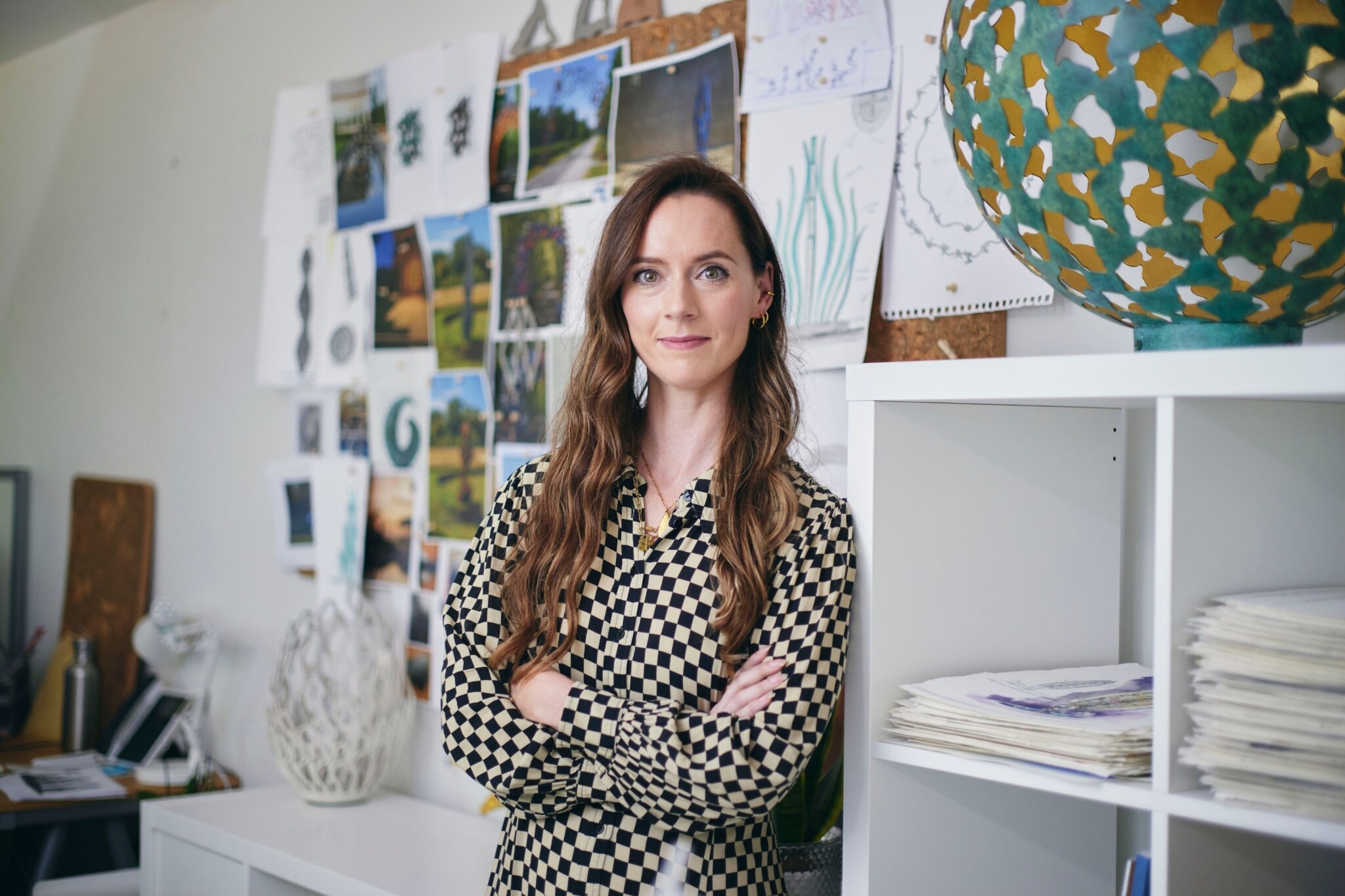
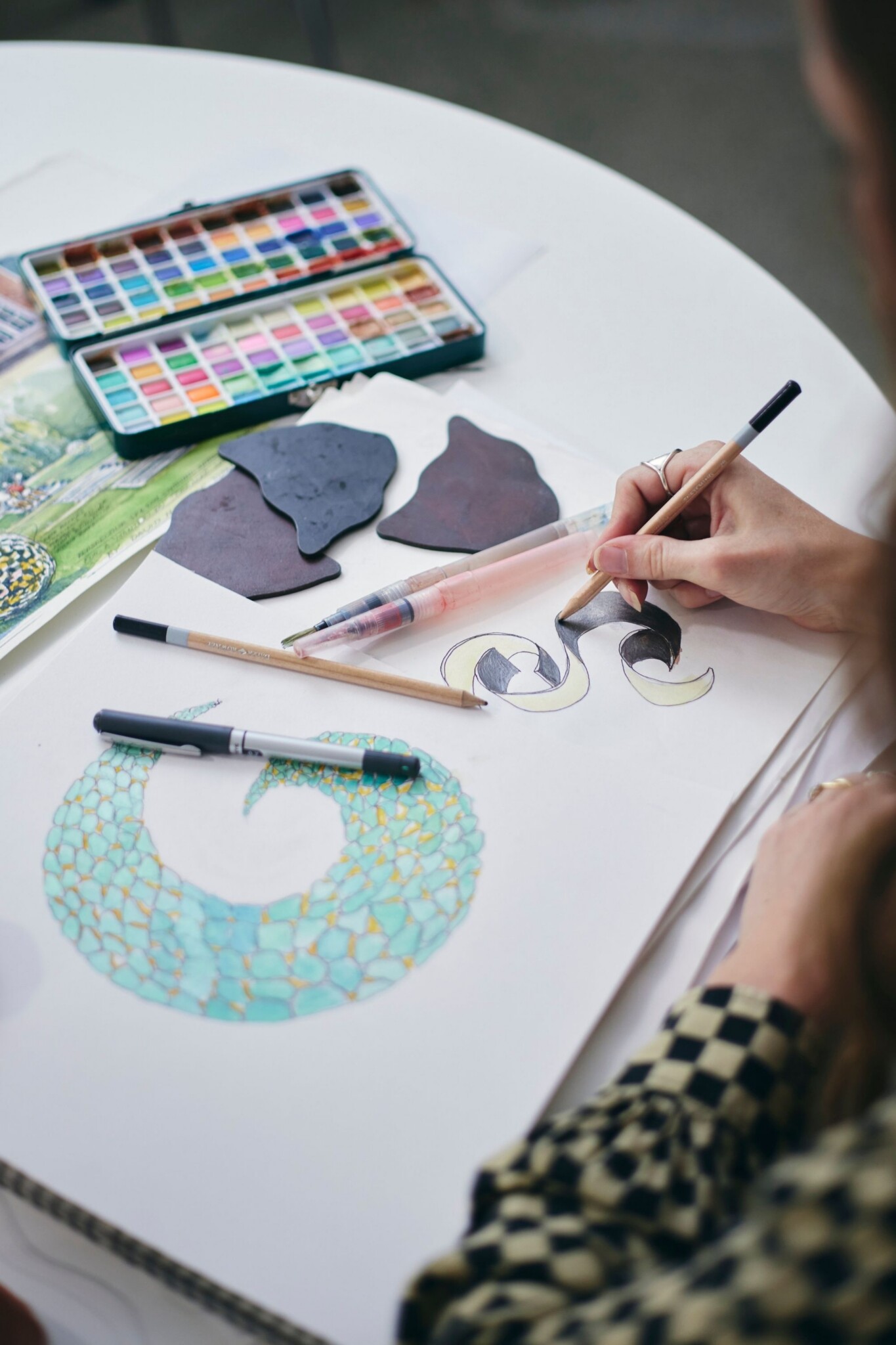
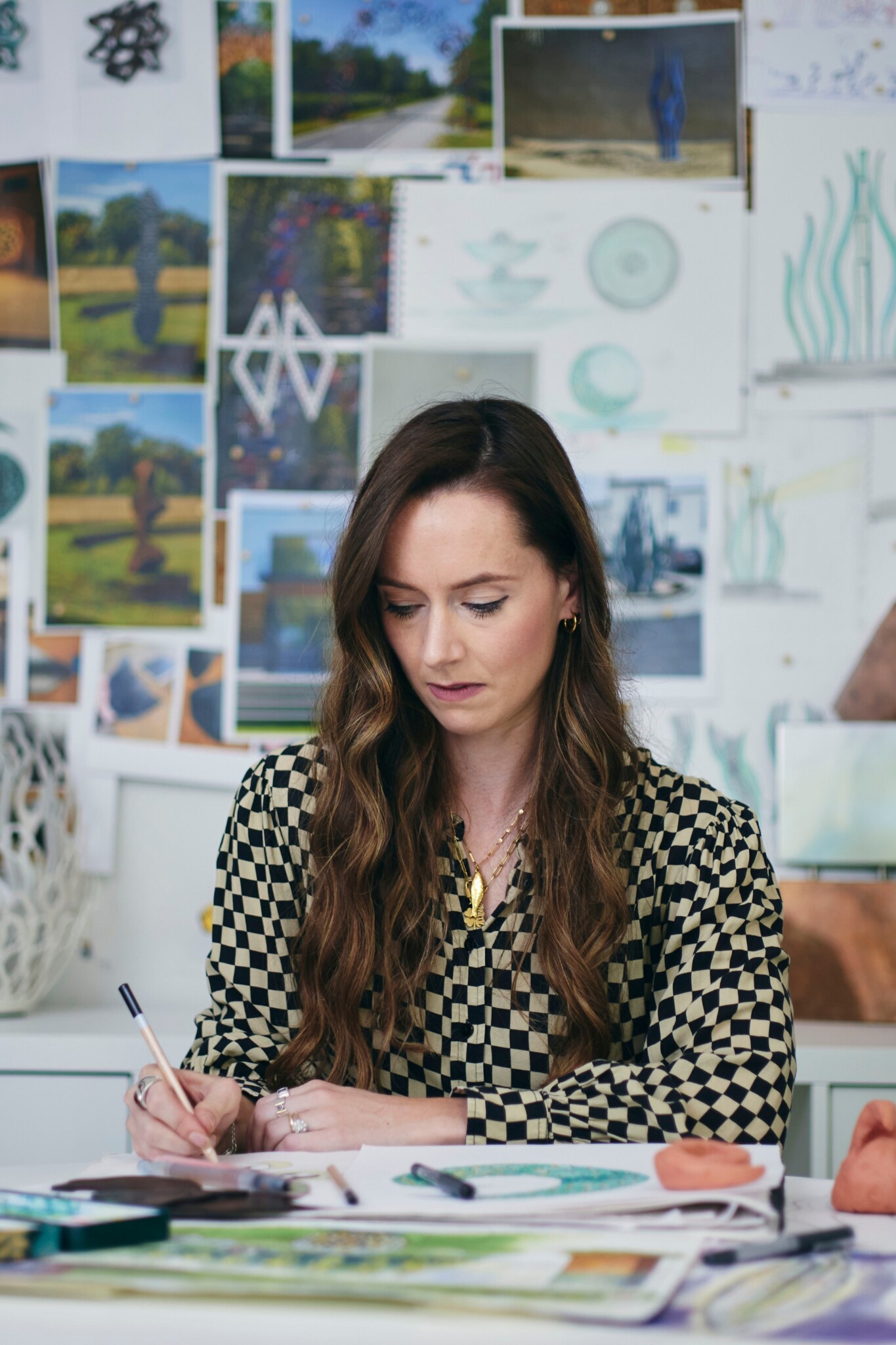
David Harber is delighted to announce the appointment of Matilda Howells as Creative Director, marking a significant moment in the evolution of the celebrated British studio. Howells trained in Fine Art Sculpture, specialising in metalwork, before spending eleven years at Soane Britain designing furniture and lighting alongside a network of Britain’s most skilled craftspeople. That grounding, part sculptor, part maker, underpins her vision for David Harber: pieces that carry the visible imprint of the hands that made them, built to be lived with rather than simply looked at.
“At David Harber, craftsmanship and engineering come together to create work with genuine staying power,” says Howells. “The best sculpture doesn’t dominate a space, it belongs within it, responding to light, architecture and the seasons until it becomes part of the landscape itself. I’m excited to build on that heritage while bringing new materials and ideas to the studio’s next chapter.”
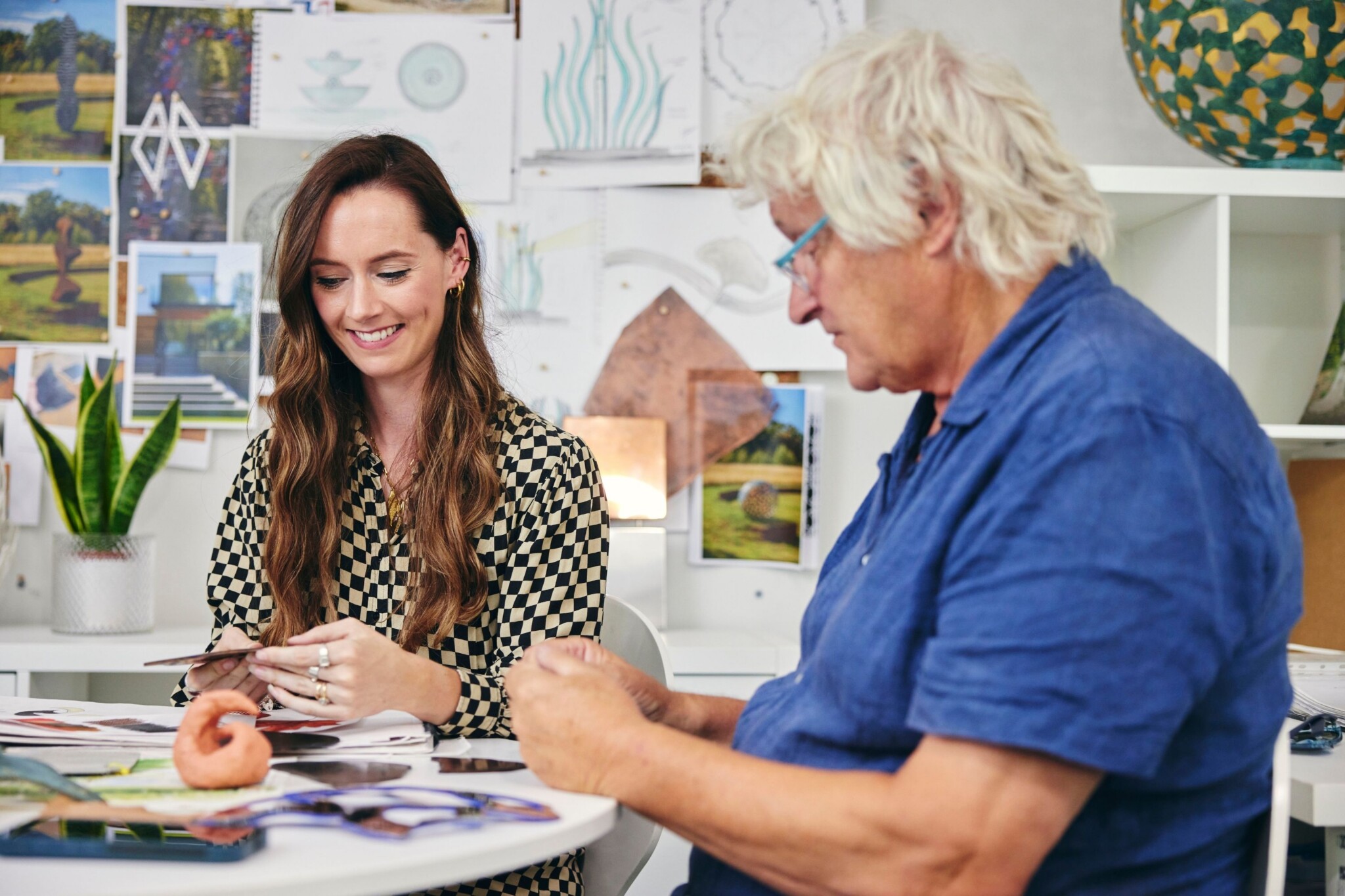
“Creating sculpture has always been a collaborative process, shaped by the client, the location, the skill of our craftspeople and my own imagination,” says David Harber, Founder. “In Matilda, I have found someone who shares my philosophy, creative sensibility and passion. Though I have always been immensely protective of the creative spirit of the David Harber studio, I feel entirely confident entrusting Matilda with its future.”
We sat down with Matilda to learn more about her journey into design, the people and materials that inspire her, and her vision for the studio’s next chapter.
How did your career in design begin?
I studied Fine Art Sculpture at university, specialising in metalwork. That education gave me a deep appreciation for materiality, craftsmanship and the relationship between form, light and space, principles that continue to influence my work today.
Before joining David Harber, I spent eleven years at Soane Britain, designing furniture and lighting. It was an invaluable experience, working closely with an exceptional network of British craftspeople across a wide range of disciplines. Seeing ideas evolve from initial sketches through to beautifully crafted pieces reinforced my belief that great design is the result of close collaboration between designers and makers.
Who and what inspires you?
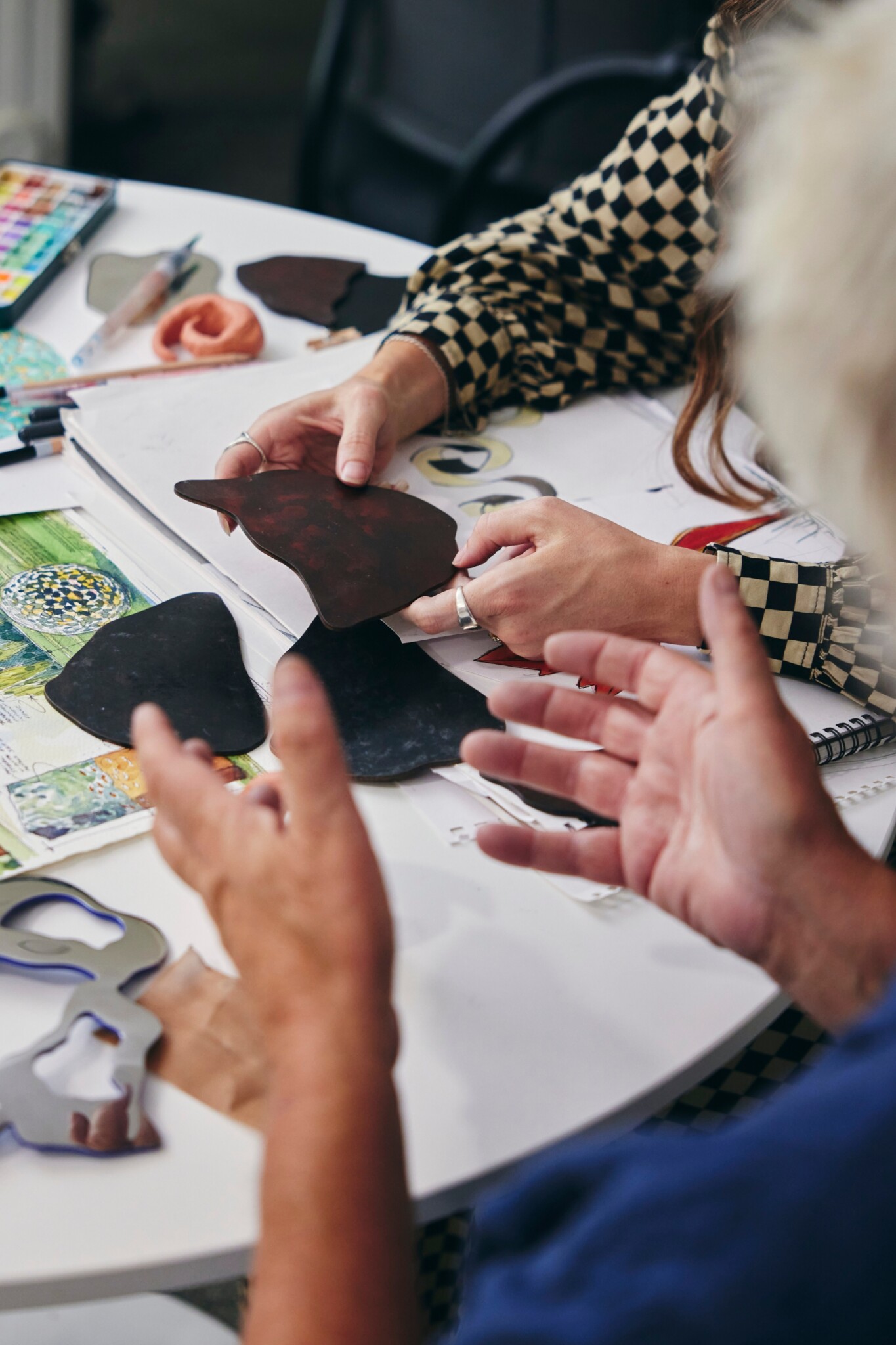
Much of my inspiration comes from the people who make things. Having spent my career working alongside highly skilled craftspeople, I’ve developed a huge respect for the knowledge, patience and ingenuity they bring to every piece, and each has a deep understanding of their material that continually inspires me to push ideas further.
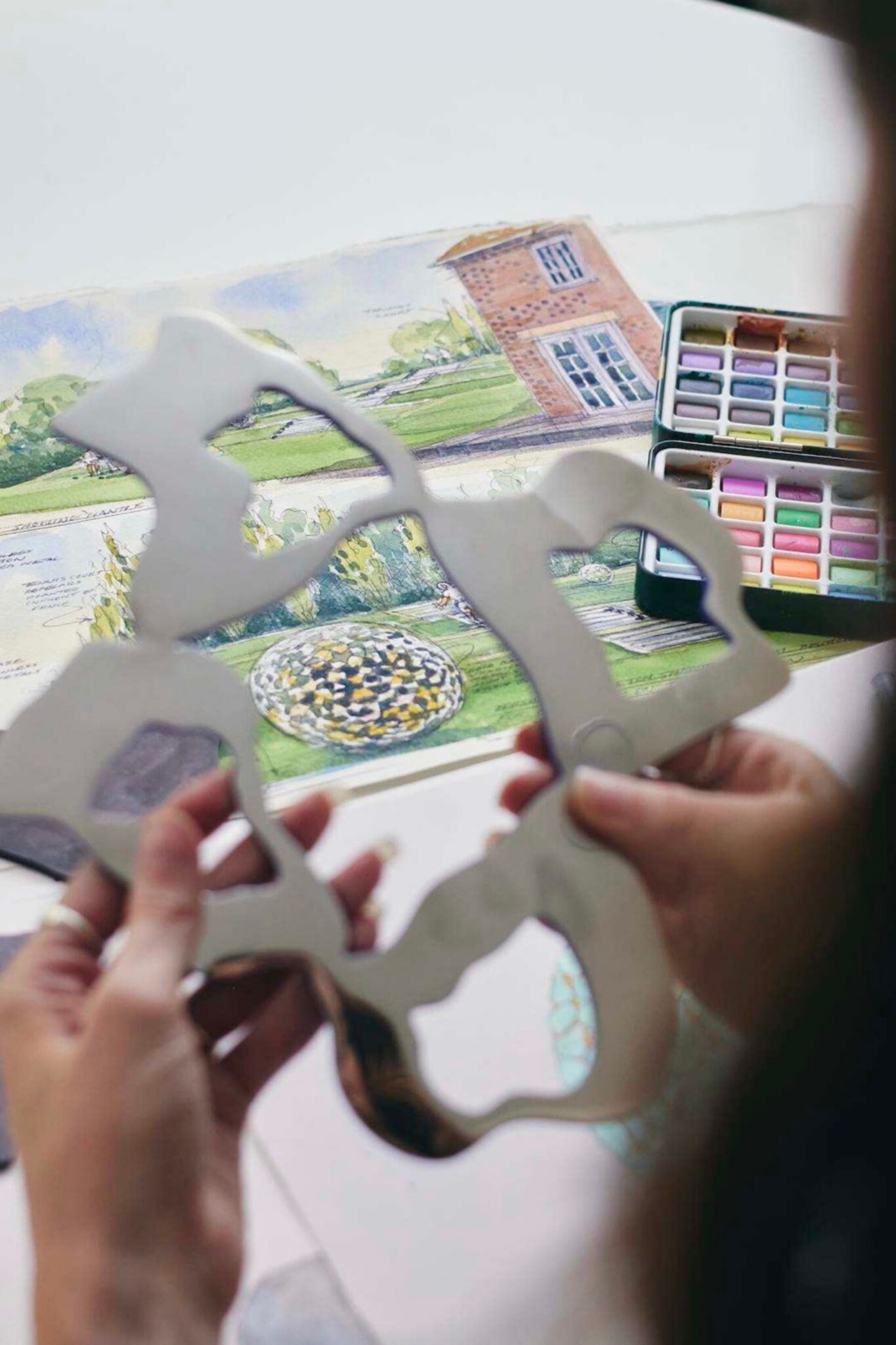
I’m equally inspired by the materials themselves, and by understanding how they behave, age and evolve. For me, the most rewarding projects are those where the craftsmanship remains visible, where you can sense the hand of the maker in the finished piece. Beyond the studio, I find inspiration outdoors: the changing seasons, geology, reflections on water and weathered textures all influence how I think about form, surface and light.
“The best sculpture doesn’t dominate a space, it belongs within it, responding to light, architecture and the seasons until it becomes part of the landscape itself. I’m excited to build on that heritage while bringing new materials and ideas to the studio’s next chapter.”
Matilda Howells, Creative Director
What materials do you most enjoy working with, and why?
Metal is my favourite material because of its versatility. Bronze develops incredible character as it ages, stainless steel allows us to play with reflection and light, and weathering steel creates a wonderful connection with the landscape. I particularly enjoy exploring how different finishes transform a material’s personality, from mirror-polished surfaces that reflect their surroundings to richly textured patinas that feel as though they’ve always belonged in the environment.
What excites you about working with David Harber, and what fresh perspective do you hope to bring?
Sculpture, craftsmanship and engineering come together here in a way that few studios can match, and every project has the potential to become a lasting piece of someone’s landscape or architectural story. My background combines fine art, design and manufacturing, so I naturally think about how sculpture interacts with architecture, interiors and the wider landscape, and how it becomes part of the overall experience of a space.
I’d like to continue exploring how our sculptures engage more deeply with architecture and contemporary outdoor living, developing collections that feel equally at home in gardens, courtyards, terraces and interiors. My aim is to build on David Harber’s heritage of craftsmanship and innovation, while bringing new materials, collaborations and ways of thinking that keep the brand evolving in a thoughtful and authentic way.
Why does sculpture matter, and how does it change a garden or landscape?
Unlike many designed objects, sculpture creates an emotional connection. It changes throughout the day as the light shifts, the weather changes and the seasons evolve. Sculpture gives a landscape identity: it creates moments of discovery, draws the eye and encourages people to engage more deeply with their surroundings.
The best sculptures don’t dominate a space, they belong within it, responding to light, planting, architecture and movement. Over time they become part of the landscape itself, creating lasting memories and emotional connections. I enjoy creating pieces that invite people to pause, reflect and experience a space differently.
Book a design consultation with Matilda or make an appointment to visit our design studio in Oxfordshire to start your creative journey with us.
Get in touch
Whether you’ve decided on a piece or you just want to sound out an aspect of our work, please get in touch with our team to discuss your needs.