Inside the Making of an Award-Winning Chelsea Flower Show Garden
One of America’s most celebrated landscape architecture firms, New York City-based Hollander Design is known for creating ‘the landscape of home’ with ecologically sensitive design that respects a site’s natural, architectural, and human ecologies. Hollander Design creates gardens and landscapes at every scale, from country estates and urban terraces to some of the nation’s leading cultural institutions.
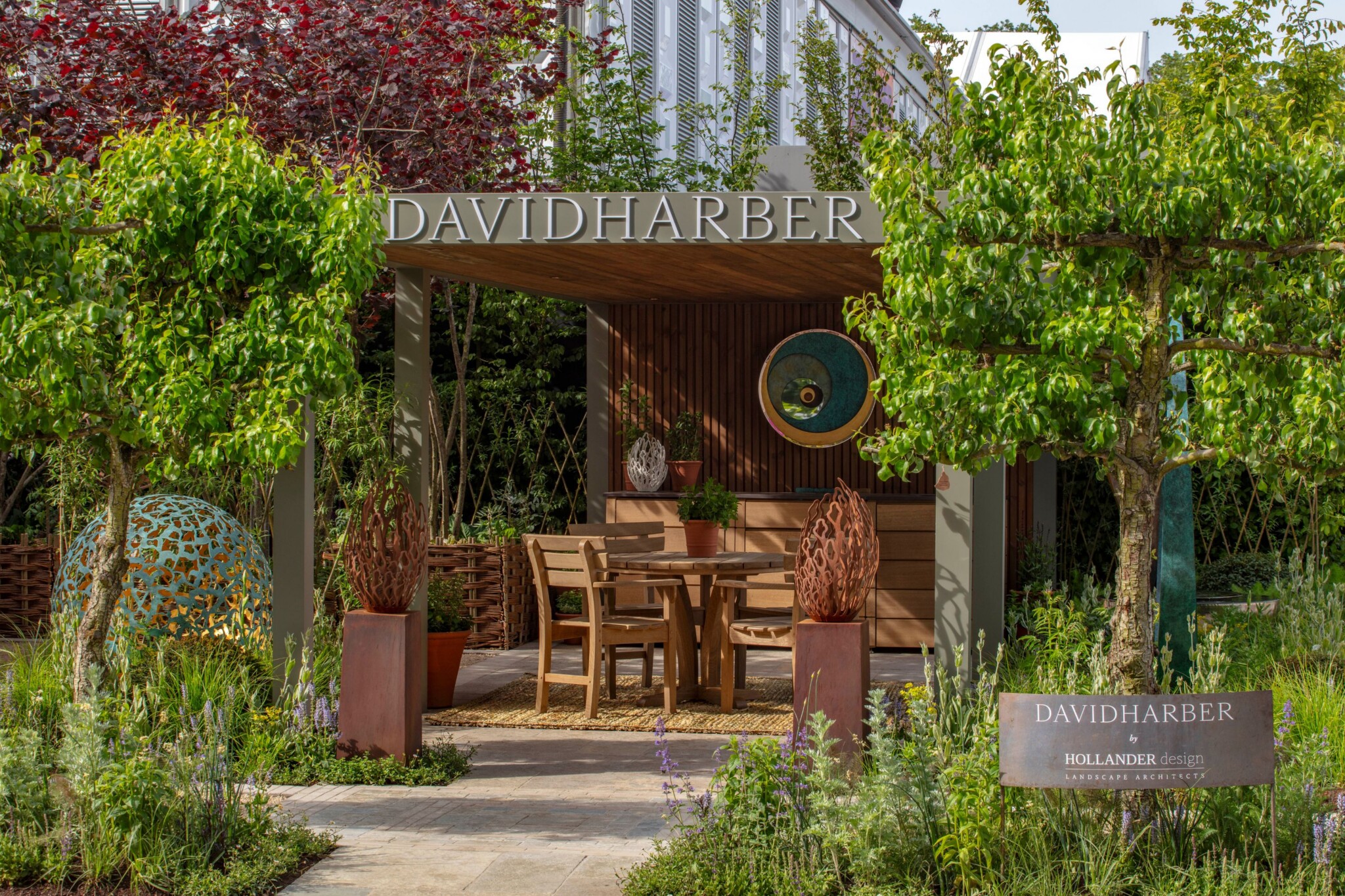
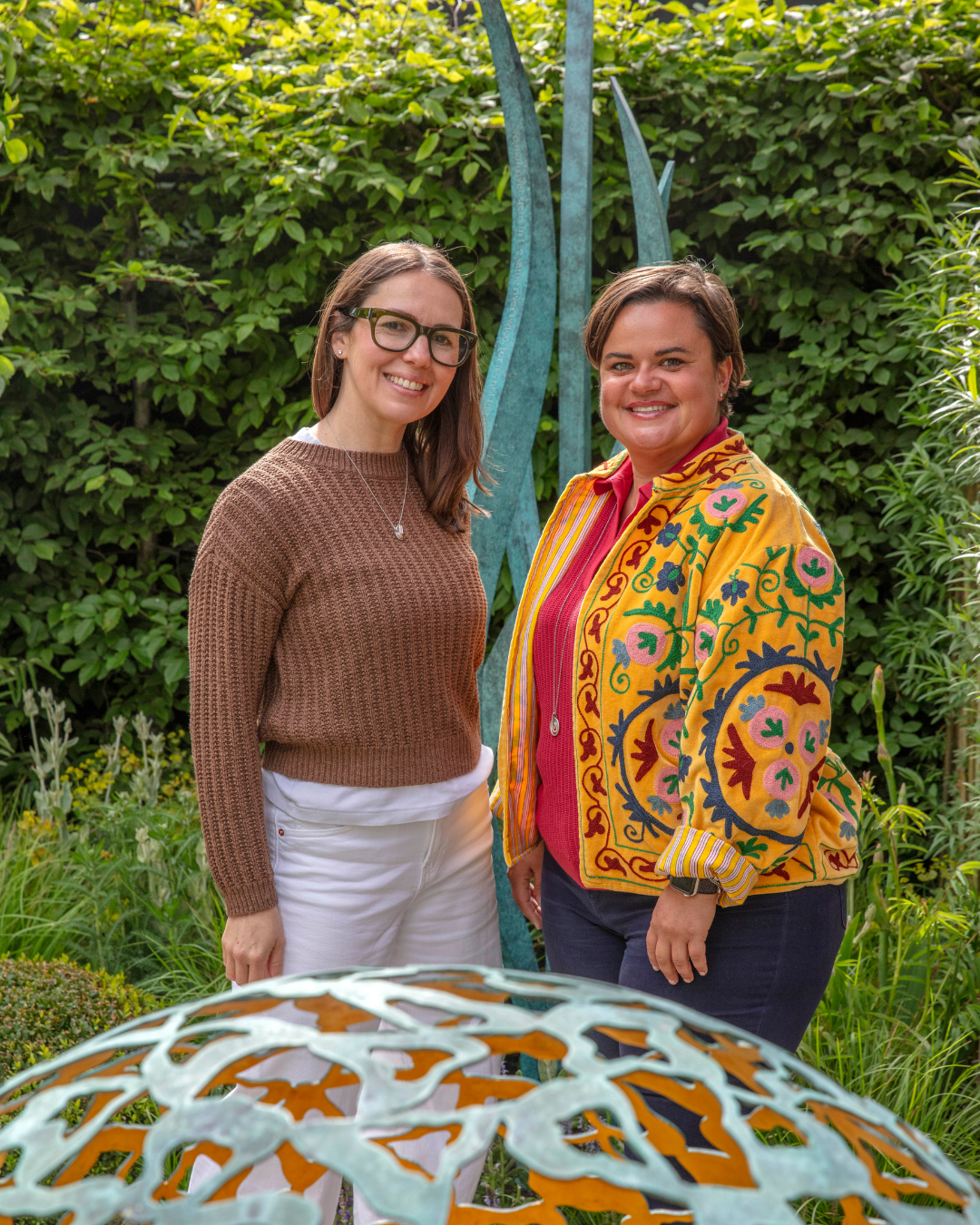
We were delighted to partner with acclaimed landscape architects from Hollander Design to create our trade stand garden for this year’s RHS Chelsea Flower Show. A first for David Harber, our sculptures were showcased within a working kitchen garden setting, melding the arts of craftsmanship and landscape. We spoke with Melissa Reavis and Giulia Puccini from Hollander Design about why a heritage-inspired garden proved such a compelling backdrop for our artworks.
What does a heritage garden mean to you?
A heritage garden is a living archive that preserves the horticultural traditions, plant knowledge, and cultural practices of specific communities, regions, or historical periods. These gardens often feature plants that were traditionally cultivated for food, medicine, textiles, or other practical uses. From heirloom vegetables and heritage fruit trees to traditional flower varieties and regionally significant native species, every element reflects a deliberate effort to celebrate botanical diversity, cultural memory, and the relationship between people and the land.
In a modern context, heritage gardens also offer a valuable model for sustainable gardening. By prioritizing heirloom and indigenous plants that are well adapted to local conditions, they often require fewer resources, including irrigation and chemical inputs. Time-honoured practices such as composting, seed saving, crop rotation, and natural pest management remain highly relevant today. Heritage gardens are not only places of beauty and education; they provide a blueprint for a more resilient, regenerative, and ecologically responsible approach to gardening.
Tell us about the narrative behind the David Harber stand at RHS Chelsea Flower Show?
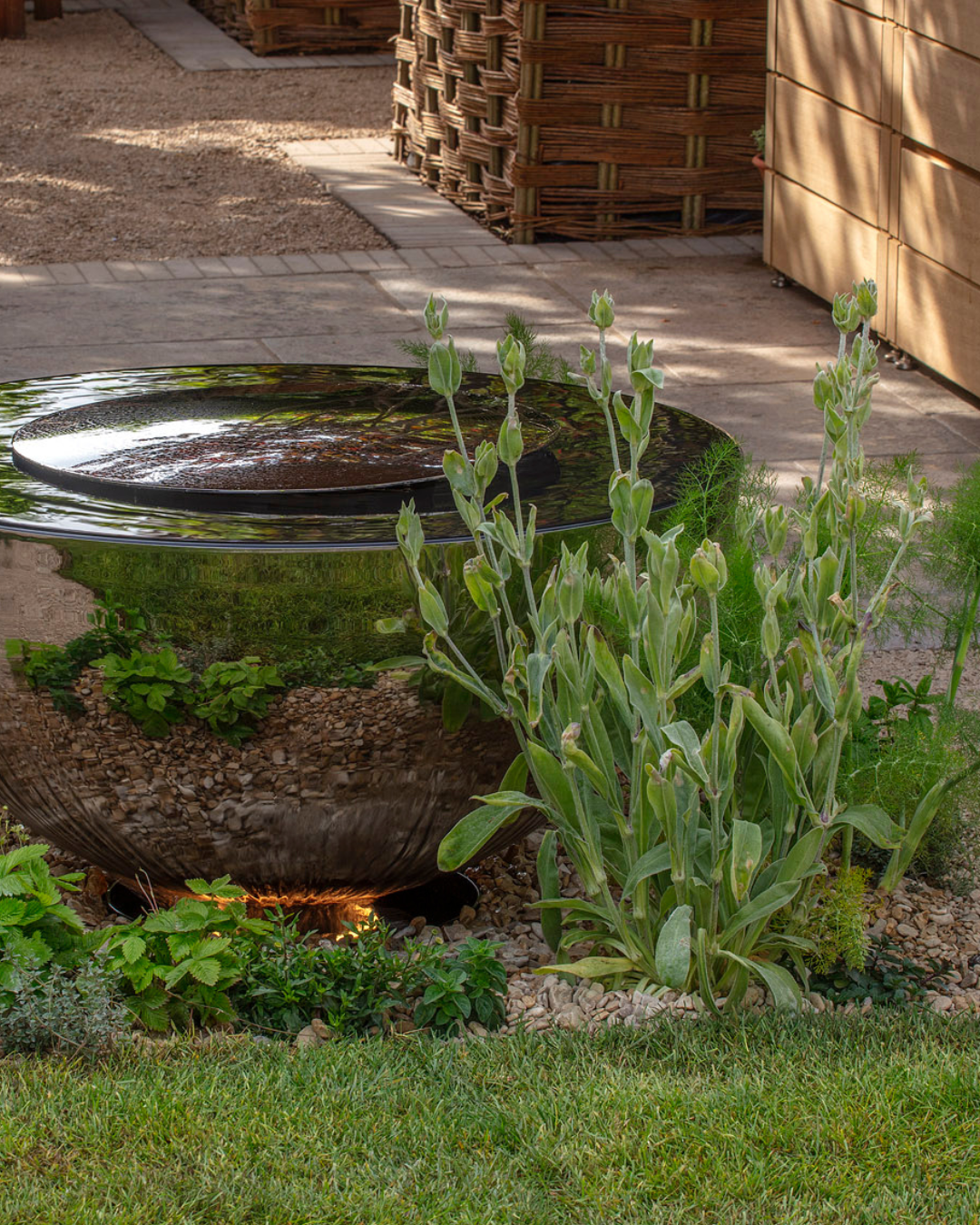
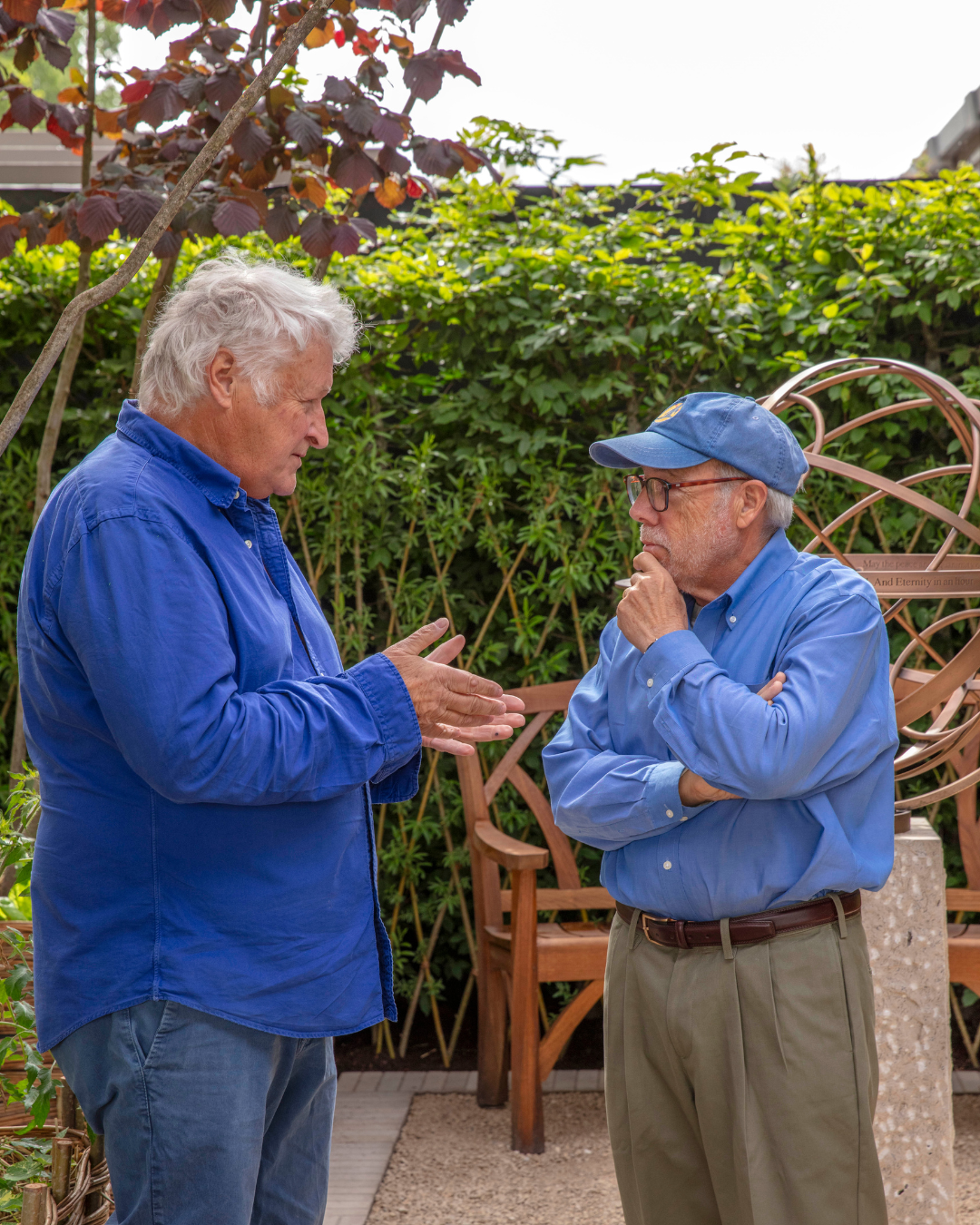
The concept was to place David Harber’s sculptures within a garden that celebrated the exceptional craftsmanship at the heart of their creation. We were fortunate to visit the David Harber studio and witness firsthand the remarkable skill and traditional techniques involved in making each piece. That experience led us to consider what type of garden might embody a similar commitment to heritage craftsmanship, and the idea of a heritage garden felt like a natural fit.
We were also drawn to the idea of placing sculpture within a working garden—a setting often overlooked when considering art and ornament. By doing so, we hoped to broaden the conversation around where sculpture belongs, encouraging visitors to reimagine how fine art can enrich even the most practical outdoor spaces. Ultimately, we hoped the garden would inspire people to see their own gardens not only as places of productivity, but also as places of reflection, creativity, and beauty.
The garden combined traditional forms and heritage gardening practices with a naturalistic planting style and a strong focus on ecological function. Formal elements, such as the orchard and topiary, provided a timeless framework, while looser meadow-style planting and companion planting techniques reflected contemporary thinking around biodiversity, sustainability, and seasonal interest. The result was a garden rooted in tradition yet highly relevant to modern gardeners.
What was the horticultural philosophy behind the planting design?
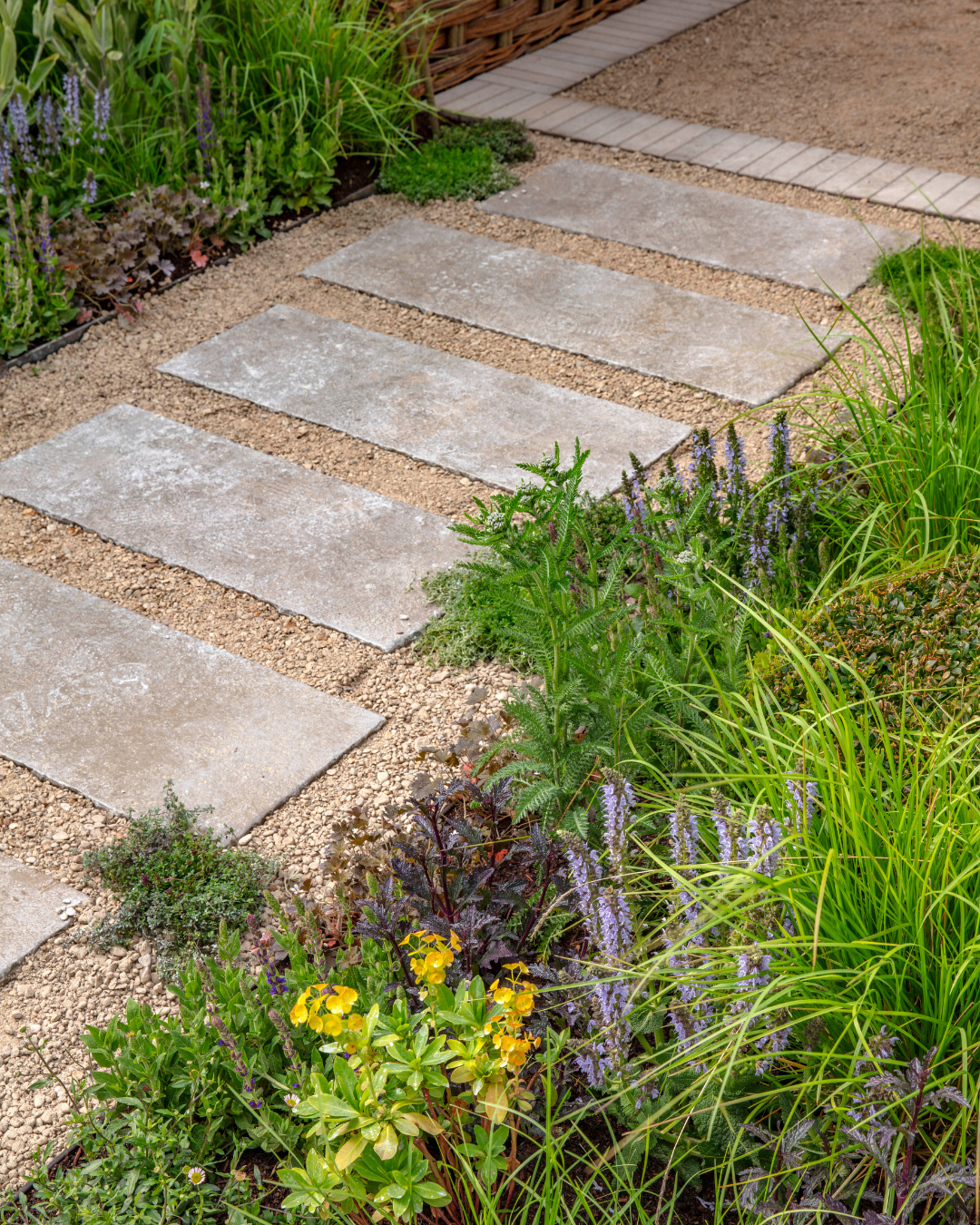
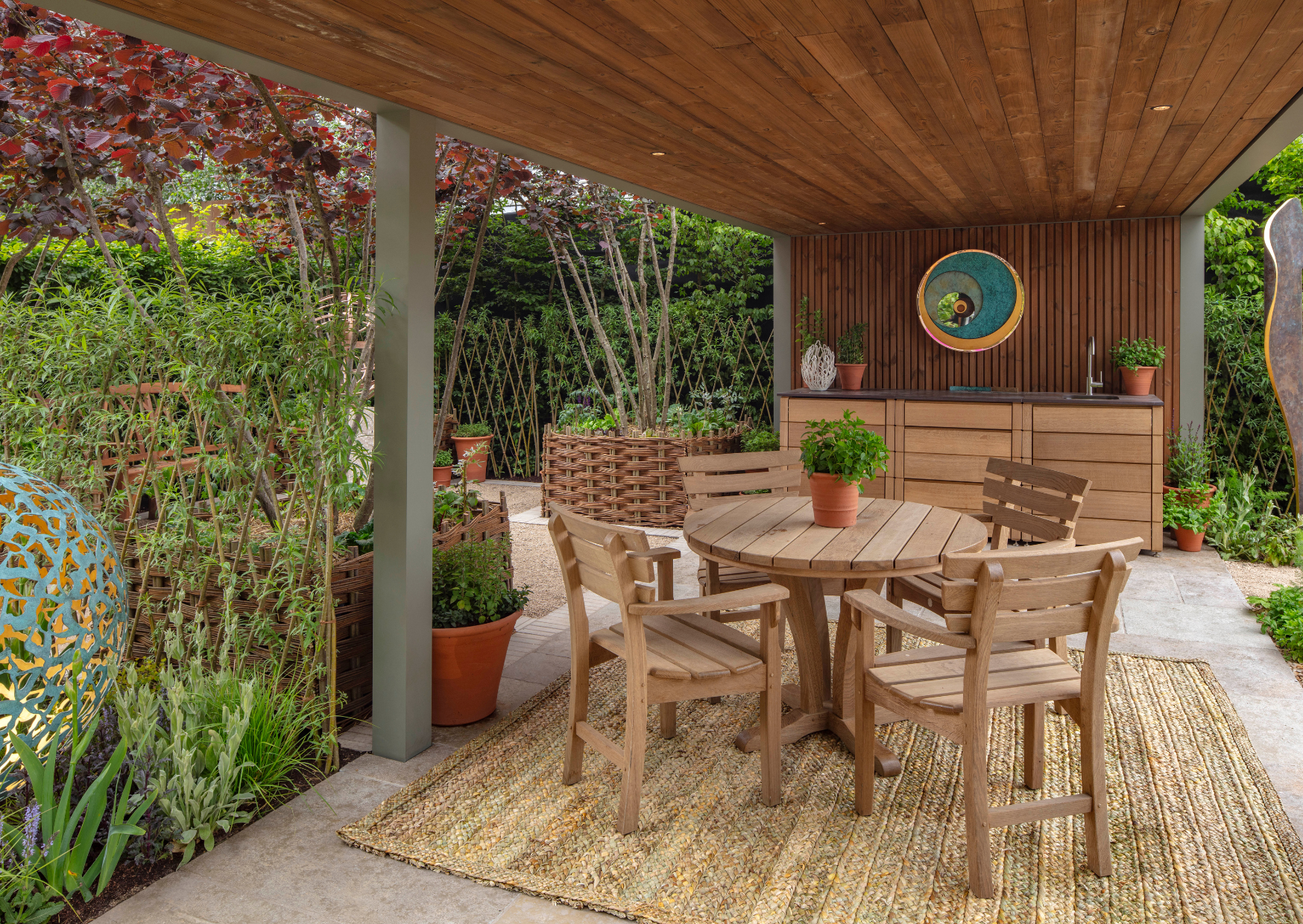
Each area of the garden represented a different aspect of the heritage garden concept. The kitchen garden featured vegetables arranged using companion planting principles, while the herb garden was set within gravel to highlight the fragrance released as the stone warmed in the sun. Beneath the orchard trees, we created a meadow-inspired planting scheme that contrasted with the more structured topiary garden. Together, these spaces demonstrated the many ways a heritage garden can combine beauty, productivity, and ecological value.
The topiary and grasses served as the primary structural elements throughout the garden. The topiary established an evergreen framework that provided year-round form and continuity, while two carefully selected grass species visually connected the different garden spaces. Their movement softened the design and enhanced the visitor experience, bringing a sense of dynamism and seasonal change.
Sensory experience was central to the garden. In the orchard and meadow areas, grasses, Sanguisorba, and alliums swayed gently in the breeze, creating a constantly changing landscape. The kitchen and herb gardens appealed to visitors through fragrance, with companion plantings of tomatoes and basil providing familiar and evocative scents. Throughout the herb garden, visitors encountered mint, oregano, thyme, and other aromatic plants, encouraging them to engage directly with the garden through touch and smell.
How did the planting palette reflect themes of artisanal craftsmanship?
As a trade stand, we were unable to custom-grow plant material, but we began with a clear vision of the atmosphere we wanted to create. After the design was approved, we visited the nursery in early spring and selected plants that would help us achieve a meadow-like character while supporting the broader narrative of the garden. The planting design continued to evolve throughout the process, with key structural elements positioned first on site, followed by grasses and herbaceous perennials layered to create movement, texture, and seasonal interest.
We sought out British craftspeople and growers whose work reflected the traditions celebrated throughout the garden. Expert growers supplied espaliered pear trees that had been trained over many years, basket weavers experimented with living willow to create fencing, and hazel that would have traditionally been coppiced were featured in our vegetable garden. These collaborations brought authenticity and depth to the project. The best gardens are often the result of partnerships between designers, growers, and craftspeople, and this garden was a wonderful example of that collective expertise.
Tell us about the plant selection
The planting palette was carefully selected to tell the story of how plants have historically supported everyday life. Many species were chosen not only for their beauty, but also for their culinary, medicinal, or practical uses. The garden celebrated the close relationship between horticulture and traditional knowledge, illustrating how gardens have long served as places of productivity, experimentation, and cultural exchange.
While many of the plants themselves may have been familiar, their historical uses are often less well known. Sanguisorba, for example, brought beautiful maroon flowerheads to the garden, but its name reflects its traditional medicinal use: the Latin roots refer to “blood” (sanquis) and “to absorb” (sorbeo) alluding to its historical role as a blood-staunching plant. Similarly, salvias, oregano, thyme, and fennel have long histories as medicinal and culinary plants. We hoped these stories would encourage visitors to think differently about the plants they encounter in their own gardens.
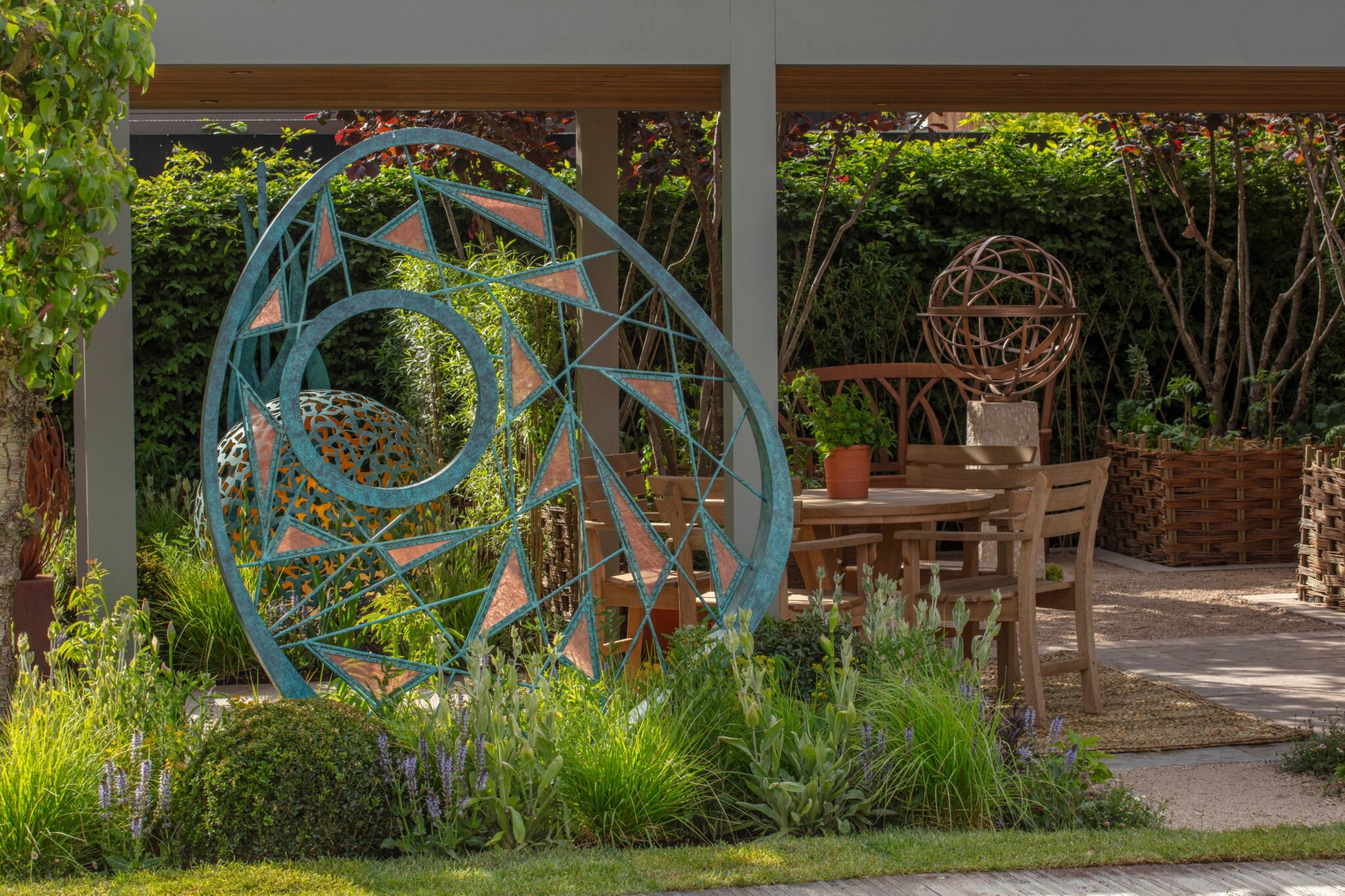
We focused on creating a clear and inviting journey through the garden, carefully balancing enclosed spaces with more open views. Areas of denser planting framed the sculptures and created moments of discovery, while open spaces provided visual relief and allowed visitors to appreciate both the planting and the artwork. This contrast helped establish rhythm and movement throughout the garden.
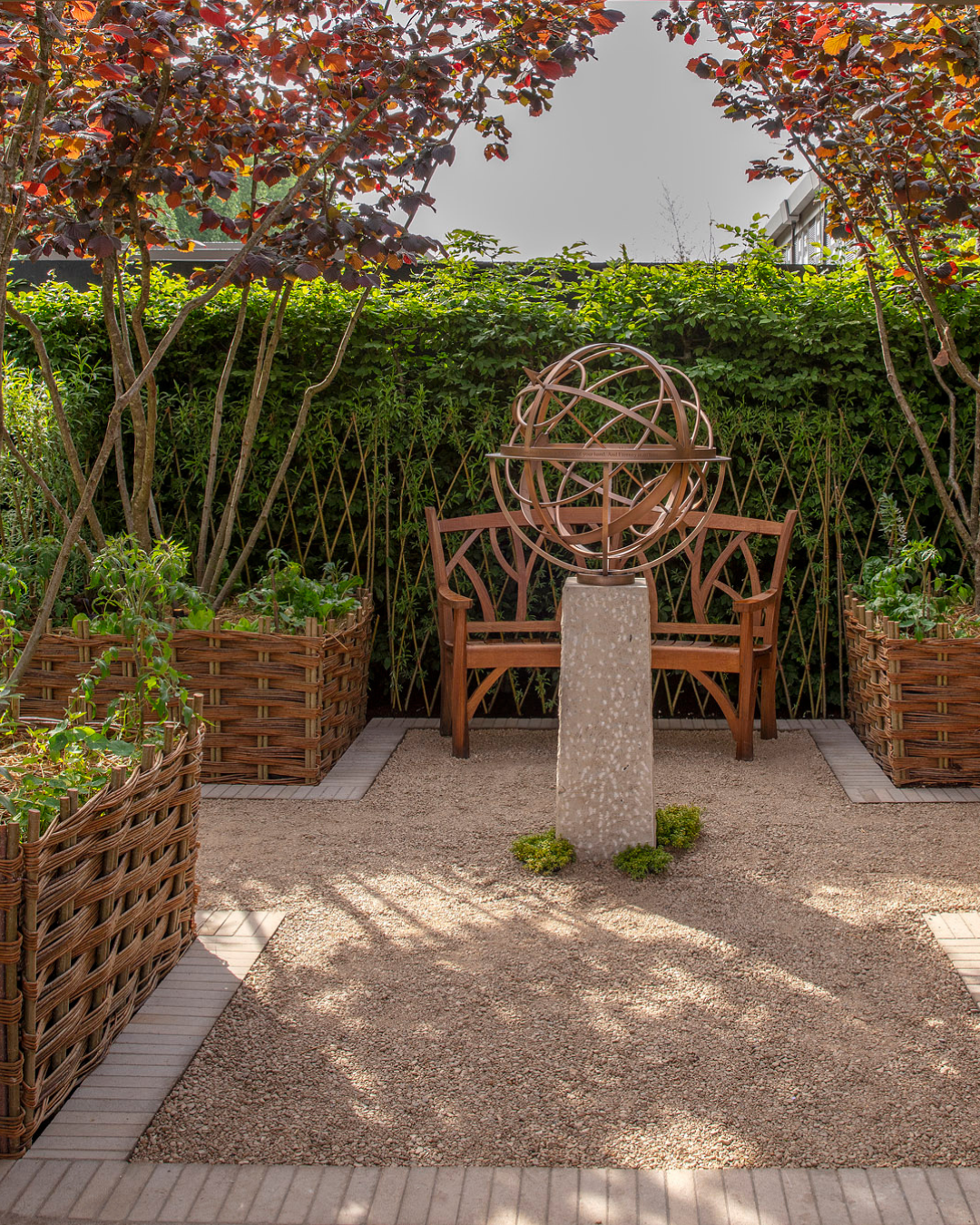
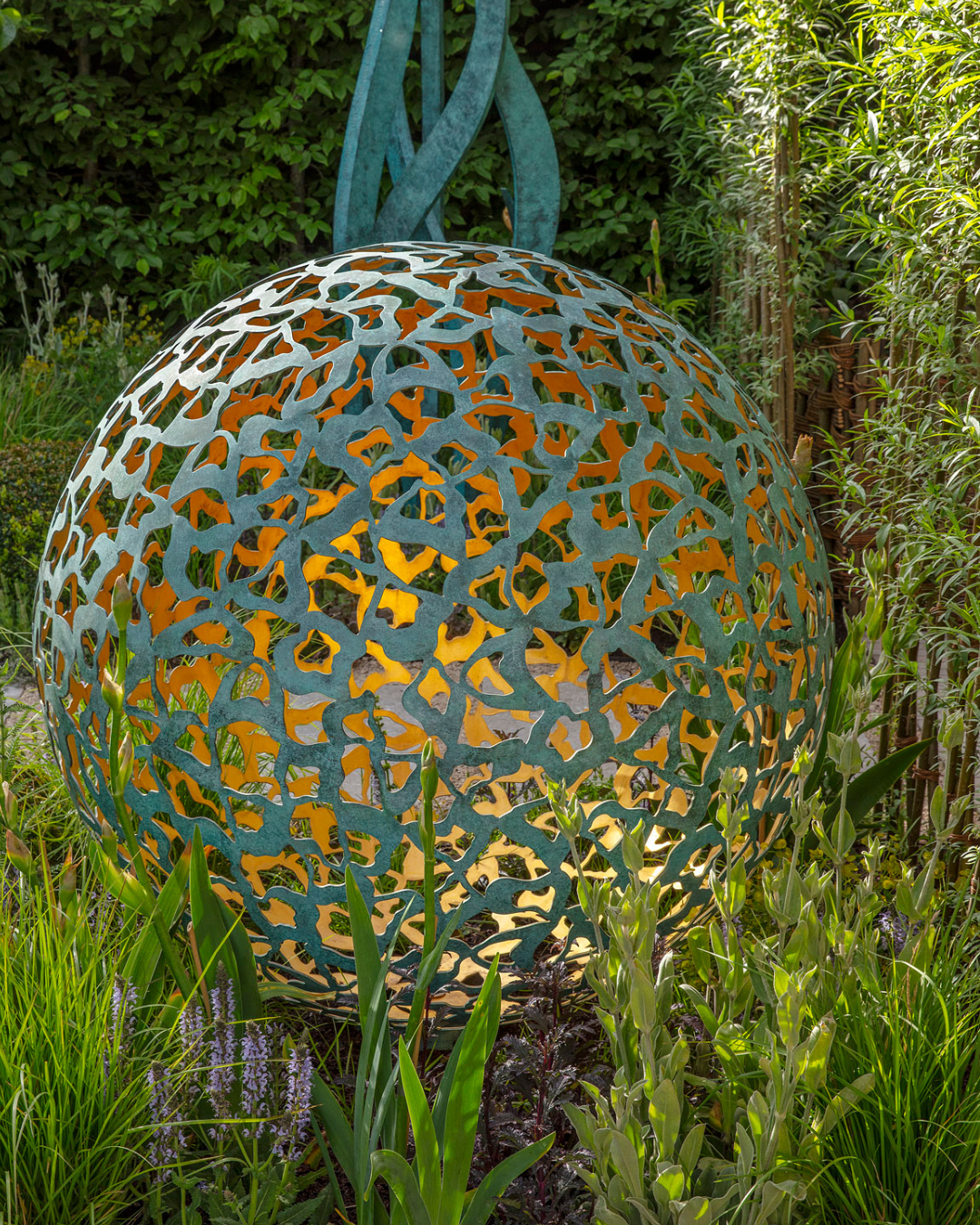
The mature pear trees, some nearly 25 years old, were essential in creating the feeling of a genuine orchard and immediately established a sense of maturity and permanence. Multi-stem Corylus helped define the kitchen garden and create a feeling of enclosure. Given the scale of the sculptures, mature trees were particularly important in helping visitors envision how these pieces might sit within a real garden setting.
Biodiversity is also an important consideration in our work. Although the constraints of a temporary show garden limited some of our plant choices, we still sought to create a diverse planting palette that would support pollinators and other wildlife. The various salvias proved particularly popular with bumblebees throughout the show, demonstrating how even a temporary installation can contribute to ecological value while delivering a strong visual impact.
Get in touch
Whether you’ve decided on a piece or you just want to sound out an aspect of our work, please get in touch with our team to discuss your needs.